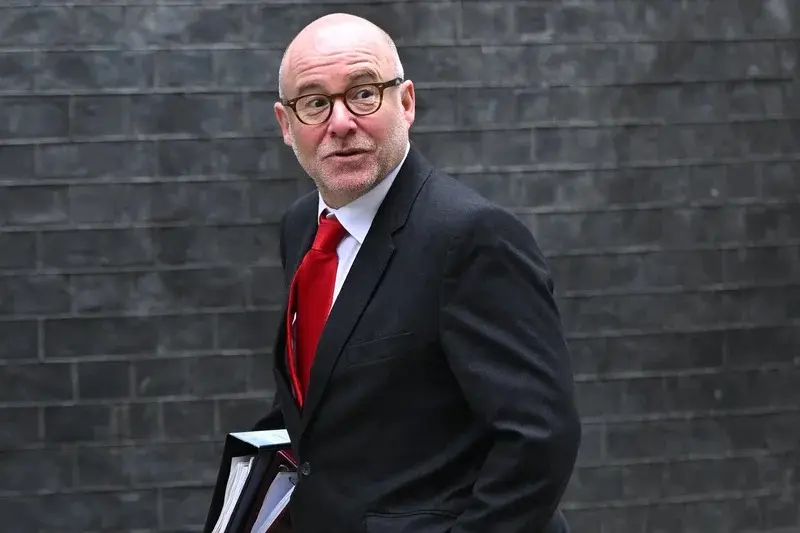
Senior Conservative figures and Reform UK leader Nigel Farage have launched formal complaints against Attorney General Lord Richard Hermer, citing his previous role representing Iraqi claimants in legal actions against UK soldiers. The moves have intensified scrutiny of the government’s senior legal adviser at a time when veterans’ concerns over the Northern Ireland Troubles legislation remain high.
A former Defence Minister and Shadow Justice Secretary Nick Timothy have written to the Bar Standards Board requesting an investigation into whether Lord Hermer’s conduct in the cases may amount to serious professional misconduct. Separately, Nigel Farage has referred the Attorney General to the House of Lords Commissioner for Standards. The complaints centre on Hermer’s work as leading counsel for Iraqi clients pursuing claims of mistreatment by British forces in Iraq, including serious allegations later discredited.
Much of the controversy surrounds the Al-Sweady Inquiry, which examined events following the Battle of Danny Boy in 2004. Iraqi claimants accused UK troops of murdering prisoners of war and committing acts of torture at a British base. The public inquiry, which cost millions of pounds and concluded in 2014, found the most serious allegations to be “wholly without foundation,” describing them as the product of “deliberate lies, reckless speculation and ingrained hostility” towards British forces.
Lord Hermer has maintained that his involvement in the Al-Sweady claims was minimal after 2008, limited to less than a day’s work in which he advised that further investigation was needed. A spokesman for the Attorney General emphasised that over a 30-year career, Hermer represented a wide range of clients, including British military personnel such as a soldier killed by IRA terrorists and injured servicemen from the Iraq War. The spokesman added that Hermer worked on a separate set of group civil claims involving a broader range of victims, which the Ministry of Defence ultimately settled.
Critics, however, argue that internal documents and emails suggest Hermer was more deeply involved and continued pressing claims despite warnings about their credibility. Nick Timothy’s letter to the Bar Standards Board stated that Lord Hermer’s actions “may constitute serious professional misconduct” and stressed that “the public interest in thorough and independent regulatory scrutiny could scarcely be higher.” Timothy highlighted apparent tensions between the Attorney General’s obligations of honesty and integrity and his past legal work.
Nigel Farage delivered a more outspoken attack, describing Lord Hermer as “a deeply unpatriotic man” of “questionable judgment” who was “very happy to prosecute the very people who are prepared to give their life for King and country.” Farage called the actions “treacherous” and labelled the Attorney General a “national security threat,” demanding a full investigation.
The complaints arrive amid renewed calls from military veterans for Lord Hermer to recuse himself from overseeing Labour’s contentious Troubles Bill. The legislation seeks to replace the previous Conservative Legacy Act, which offered conditional immunity for certain Troubles-era offences but was ruled incompatible with the European Convention on Human Rights. Former SAS commanders have been particularly vocal. Lt Col Richard Williams, who led 22 SAS, described Hermer’s record as part of an “ideologically motivated” effort to persecute British soldiers and insisted he must step down.
Col David White of the SAS Regimental Association called the situation “a new low” in relations between elite forces and the government.
Senior military voices have long warned that the threat of retrospective legal action could make commanders risk-averse, potentially costing lives on future battlefields. “Commanders turn risk-averse, soldiers hesitate where boldness saves lives, wars drag on, spilling more blood and costing more lives,” former special forces leaders have written. Tory MP Sir David Davis has also urged the Attorney General to step back from the bill.
Northern Ireland Secretary Hilary Benn acknowledged in Parliament this week that the government “must do more through the legislation to safeguard our veterans community.” A government spokesman defended the approach, arguing that the previous Legacy Act offered a “false promise” of immunity, was struck down by courts, and left veterans unprotected. The current bill, they said, includes new protections and a package of amendments designed to be “robust, workable and lawful,” with ongoing consultation with veterans’ groups.
Lord Hermer has denied ever acting for Iraqi clients while knowing their claims were false. His supporters point to the cab-rank rule, under which barristers are generally expected to accept cases regardless of the client. Critics counter that conditional fee arrangements in these cases removed that obligation and that professional duties required withdrawal if evidence of fabrication emerged.
The Bar Standards Board has confirmed it does not comment on whether it has received information about potential misconduct. The House of Lords standards commissioner is similarly expected to handle Farage’s referral discreetly at this stage.
The episode has reignited broader debates about the role of human rights lawyers in pursuing claims against the military, the balance between accountability and protecting serving and former personnel, and the influence of international legal frameworks on British sovereignty. Veterans’ groups argue that repeated legal actions, even when unsuccessful, inflict lasting damage on morale and operational effectiveness.
For the government, the controversy places Lord Hermer – a key figure in Keir Starmer’s legal team – under sustained pressure. As Attorney General, he advises on matters of national security, international law, and domestic legislation, including sensitive issues around veterans and the Troubles. Questions about perceived impartiality could complicate the passage and implementation of the new bill.
Supporters of the Attorney General insist the attacks are politically motivated and overlook the full context of his long career. They note that many lawyers take on difficult or unpopular cases as part of their professional duty. Opponents, however, see a pattern of ideological opposition to the armed forces that makes his current oversight role untenable.
As investigations proceed and parliamentary debate on the Troubles legislation continues, the case of Lord Hermer has become emblematic of deeper tensions in British public life: between justice and national security, between legal activism and military service, and between elite legal circles and the public’s expectations of loyalty to those who defend the country. How these complaints are resolved may have implications far beyond one individual’s reputation.