The viral narrative circulating on social media platforms, particularly Facebook and conservative-leaning pages, claims that Jim O’Neill, the Deputy Secretary of the U.S. Department of Health and Human Services (HHS) under the second Trump administration, posted that independent journalist and YouTuber Nick Shirley was “dangerous” and “needed to be silenced.” According to the story, O’Neill did not expect Shirley’s response: appearing at a nationally televised forum, where he calmly read aloud the full text of O’Neill’s alleged post—word for word, without edits or commentary.
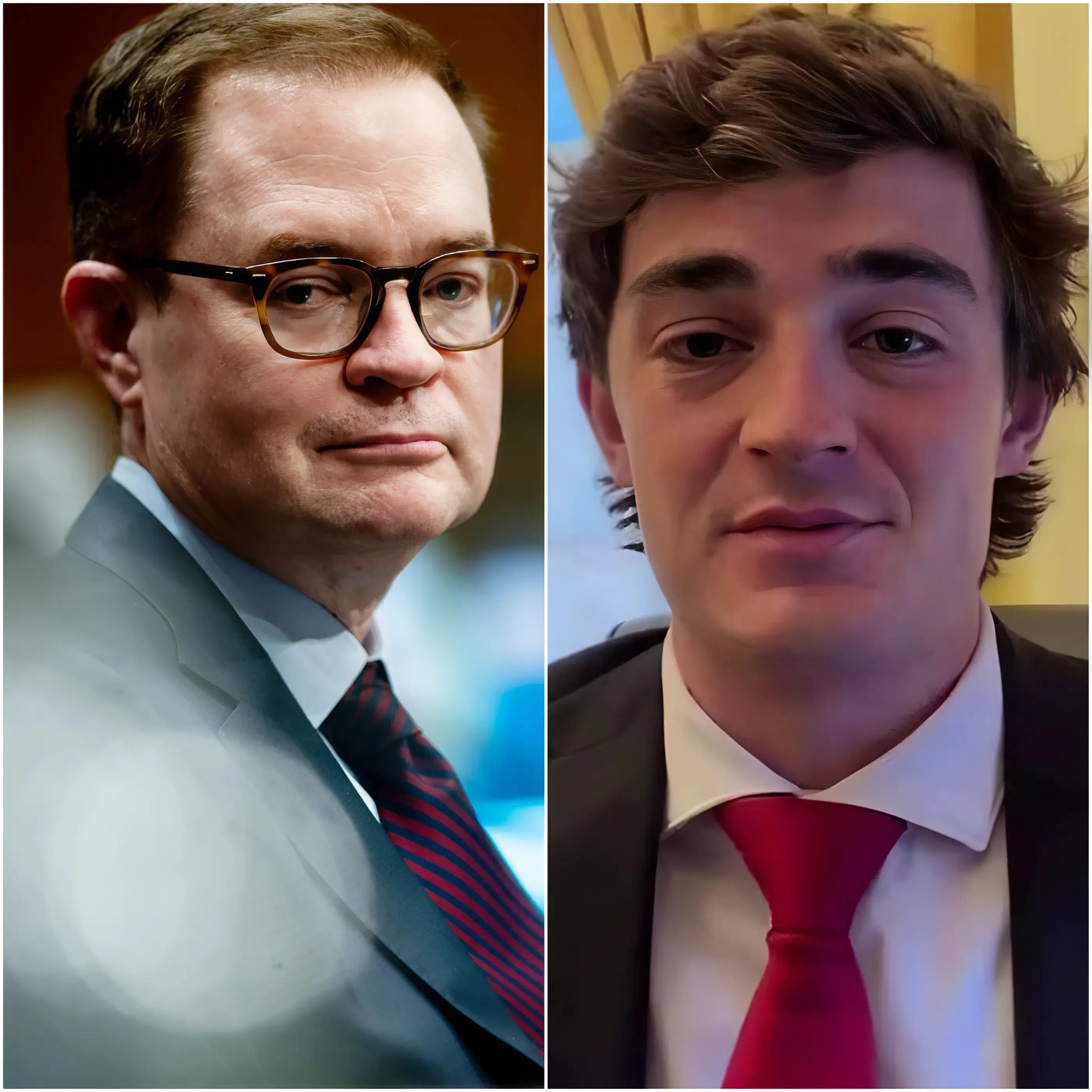
The account frames this as a powerful act of confrontation, highlighting principles of free speech, exposing supposed contradictions and double standards in O’Neill’s position, all while a national audience watched in real time. The tale has been shared widely, often with dramatic phrasing emphasizing how Shirley turned the tables on a high-ranking official.
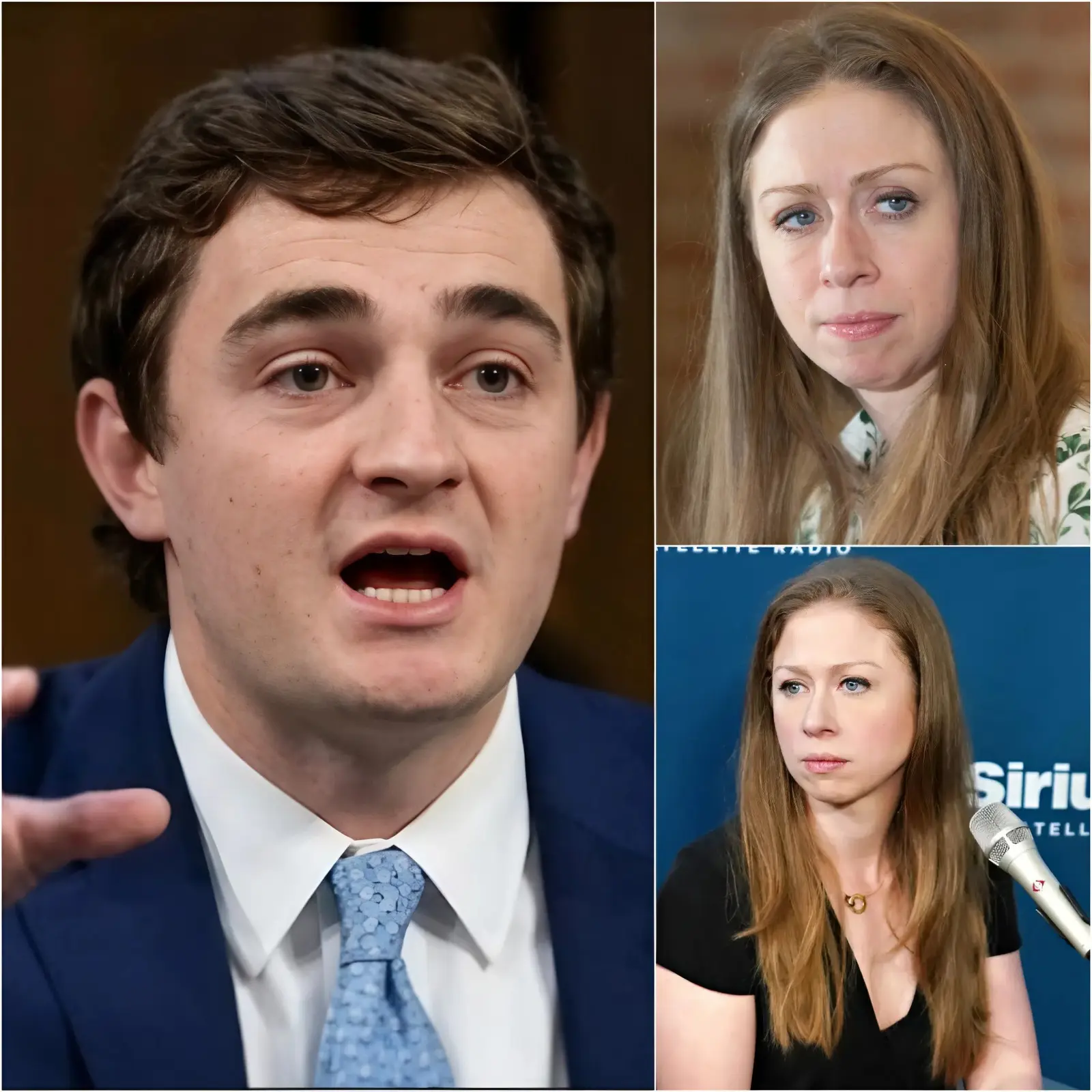
This episode, if accurate, would represent a striking clash between a Trump-appointed administrator and a young content creator whose investigative work has already influenced federal policy. However, a close examination of available records, public statements, news coverage, and social media archives reveals no evidence supporting the existence of such a post by O’Neill or any televised event where Shirley read it aloud. Searches across major platforms, including X (where both figures are active), major news outlets, and government communications, yield no trace of O’Neill using phrases like “dangerous” or “needs to be silenced” in reference to Shirley.
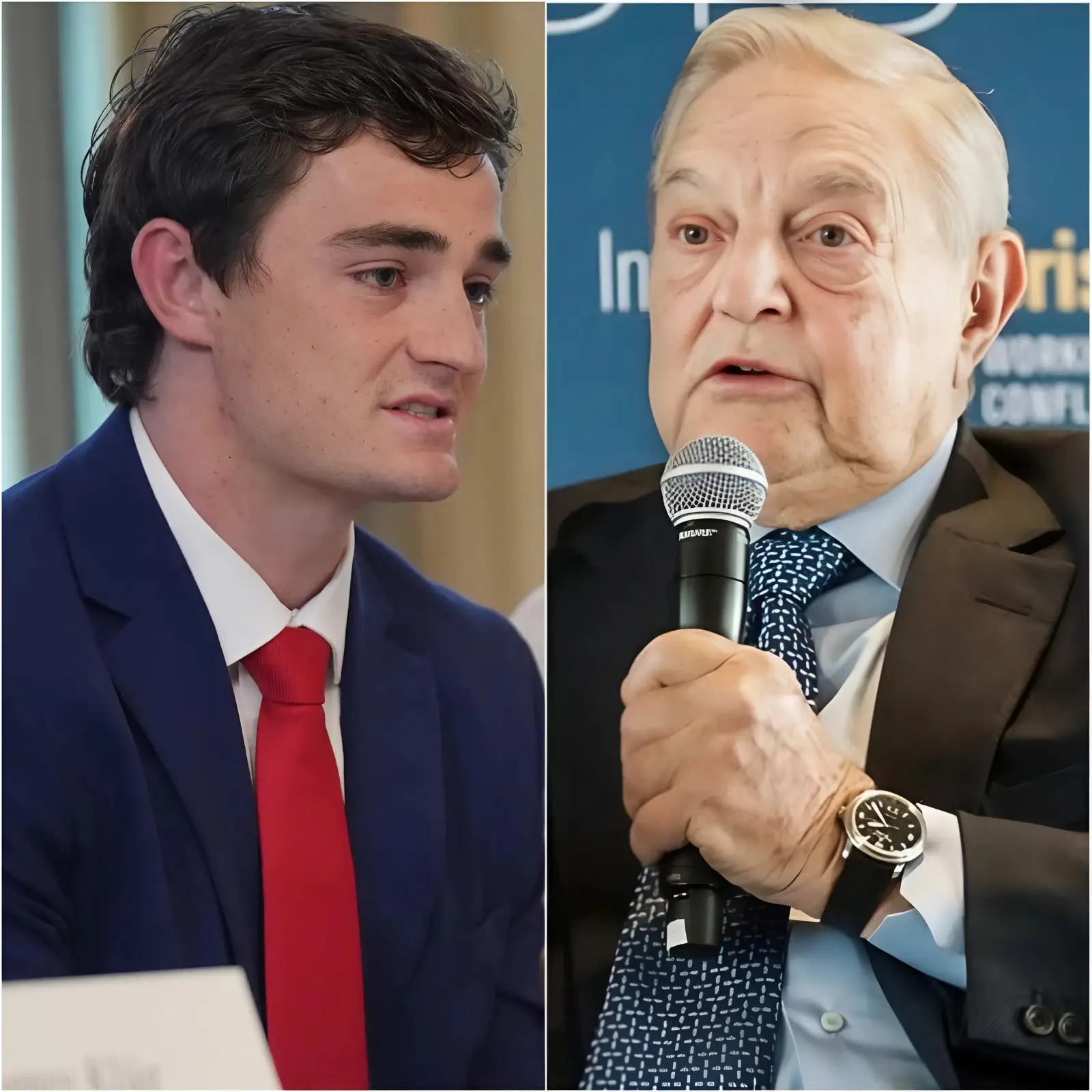
O’Neill’s public X account (@HHS_Jim) has focused on announcements related to fraud prevention, funding freezes, and program integrity—often crediting Shirley’s videos as prompting action—rather than criticizing or threatening the journalist.
Jim O’Neill, a longtime health policy expert and former Goldman Sachs executive, was confirmed as HHS Deputy Secretary in early 2025. His tenure has emphasized cracking down on waste in federal programs, including child care subsidies. In late December 2025, following Shirley’s viral video series alleging massive fraud in Minnesota’s child care assistance programs—particularly centers serving Somali-American communities—O’Neill announced a freeze on federal child care payments to the state, citing “blatant fraud” and praising Shirley’s “excellent work.” The move affected approximately $185 million annually, supporting care for thousands of low-income families nationwide pending audits.
O’Neill’s statements framed the action as accountability, not personal animosity toward Shirley. In video posts and interviews, he described turning off the “money spigot” to root out improper payments, aligning with broader Trump administration priorities on government efficiency and immigration-related scrutiny.
Nick Shirley, the 23-year-old Utah-based creator behind the @nickshirley_ account, gained national attention through on-the-ground reporting that documented what he portrayed as empty or minimally operational day care facilities receiving substantial taxpayer funds. His December 2025 videos, filmed in Minneapolis, showed him attempting to enter centers, questioning staff, and tallying alleged grant amounts on screen. Clips amassed hundreds of millions of views when amplified by figures like Elon Musk, Vice President JD Vance, FBI Director Kash Patel, and Fox News hosts.
Shirley testified before a House subcommittee in January 2026, detailing patterns of fraud he claimed exceeded billions nationwide, including ties to programs like Feeding Our Future. His work prompted congressional scrutiny, state investigations, and federal policy shifts, though critics—including local officials, fact-checkers, and civil rights groups—have accused him of selective presentation, endangering vulnerable communities by fueling harassment, and overstating unproven claims. Some reports noted that state inspections found children present at most highlighted sites, contradicting Shirley’s implications of total fabrication.
The alleged confrontation story appears to originate from meme-style posts on Facebook pages like Greene County Sentinel News and various conservative groups, often in early March 2026. These posts use identical wording: Shirley walking into a “nationally televised forum,” pulling out printed posts, and reading them verbatim to expose hypocrisy. No specific forum—such as a congressional hearing, Fox News appearance, or C-SPAN event—is named, and footage or transcripts of such an incident do not surface in searches of YouTube, X, or news archives.
Shirley has appeared on podcasts, Riley Gaines’ show, and congressional panels, where he discussed threats received after his videos, including alleged hits on his life and hotel relocations for safety. In one clip shared widely, he described feeling fearful due to online attacks and security warnings, but these relate to backlash from critics labeling his work racist or inflammatory, not from O’Neill.
The narrative fits a recurring pattern in online conservative spaces: amplifying perceived slights against favored figures to rally support and portray them as victims of establishment suppression. Similar viral tales have attributed fabricated quotes or actions to officials targeting influencers like Shirley, often blending real events (his fraud exposés and policy impacts) with invented drama (threats of silencing). O’Neill’s actual interactions with Shirley’s content have been positive from the administration’s perspective; he publicly endorsed the journalist’s contributions to highlighting systemic issues. Claims of O’Neill calling for Shirley to be “silenced” contradict this record and lack primary source verification.
This discrepancy raises questions about misinformation dynamics in polarized media environments. Independent creators like Shirley can drive real accountability—his Minnesota series contributed to frozen funds, audits, and hearings—but exaggerated or fabricated stories risk undermining credibility. Supporters view such tales as evidence of deep-state resistance to truth-tellers; skeptics see them as manufactured outrage to sustain engagement. Shirley himself has addressed attacks, stating in interviews that “leftists” target him for exposing fraud, and he has reported death threats unrelated to any O’Neill post.
Broader context includes ongoing debates over free speech, government transparency, and the role of citizen journalists. Shirley’s rise highlights how viral content can influence policy faster than traditional reporting, for better or worse. The funding freeze sparked criticism from advocates who argue it harms legitimate providers and families in need, while proponents credit it with forcing overdue reforms. No evidence suggests O’Neill sought to silence Shirley; if anything, administration actions elevated his profile.
As the story continues to spread through shares and reposts, it exemplifies how unverified claims can gain traction amid distrust in institutions. Without corroborating evidence—like screenshots of O’Neill’s post, video of the forum reading, or official responses—the incident remains in the realm of social media lore. Shirley’s documented work stands on its own merits and controversies, but this particular “confrontation” appears to be a constructed narrative designed to dramatize his underdog status. In an era where information moves at lightning speed, distinguishing amplified facts from invented drama remains essential for informed public discourse.