A 39-year-old man from Cairns has tragically died after being mauled by a shark while spearfishing at Kennedy Shoal, a popular offshore reef approximately 40-50 kilometres from the coast between Mission Beach and Cardwell in Far North Queensland. The horrifying attack occurred around midday on Sunday, May 24, 2026. Despite being pulled from the water by his companions and rushed back to shore, the man succumbed to his severe injuries before emergency services could save him.
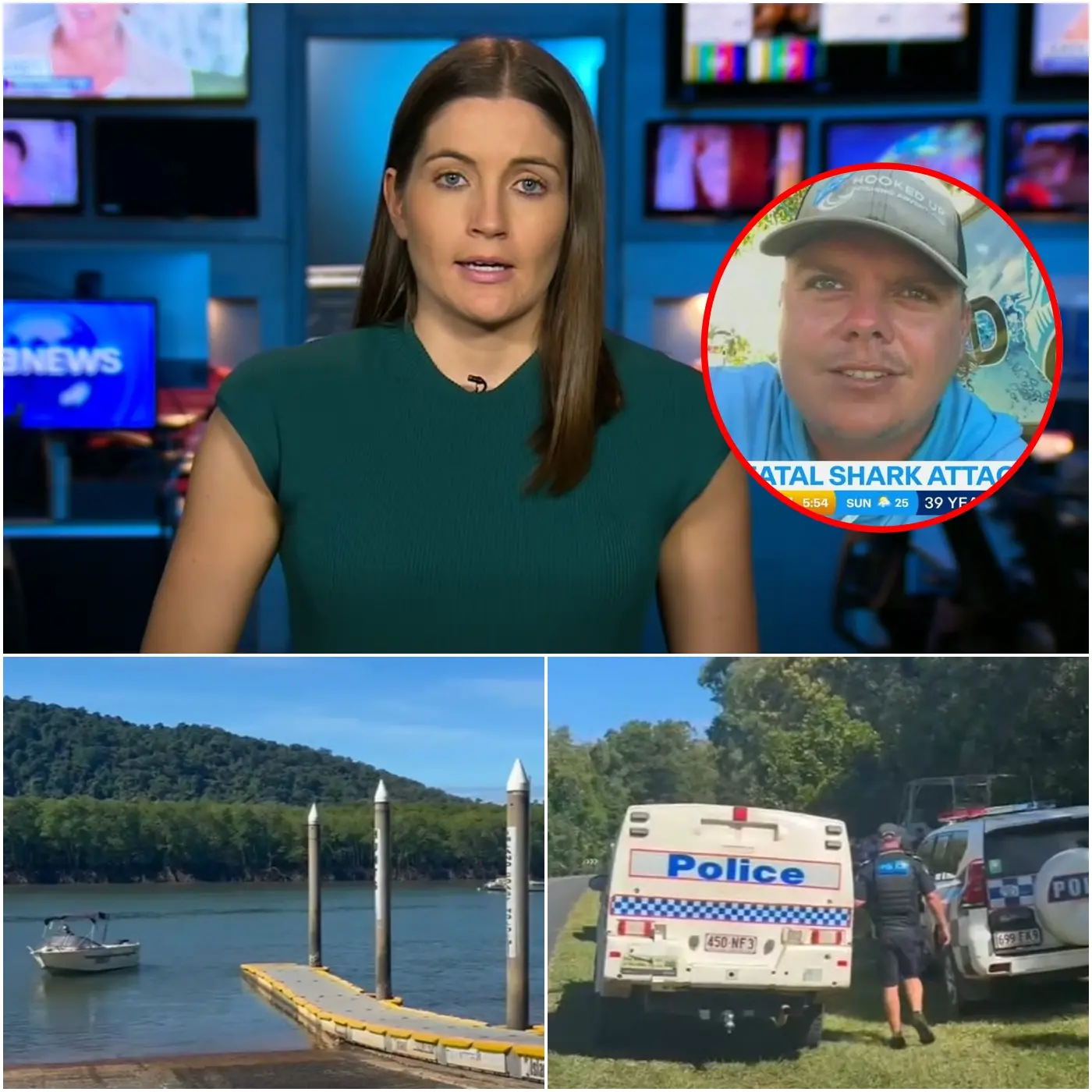
Queensland Police confirmed the death at Hull River Heads boat ramp, where paramedics attempted to treat the victim. Inspector Elaine Burns described the incident as deeply traumatic for those involved. The man was one of four people on a private seven-metre boat. He was spearfishing when the attack happened, reportedly while trying to retrieve a speared fish near coral. Another person in the water managed to retrieve him and bring him back onto the vessel.
Eyewitness Accounts and Chaotic Scene
Local charter operators and witnesses reported heightened shark activity in the area that day. Gerard Pike from Hooked Up Fishing, whose boat was operating about 9km from Kennedy Shoal, described seeing large numbers of aggressive bull sharks feeding violently on fish just metres from vessels only hours before the fatal incident.
“The sharks were vicious… very unpredictable,” Pike said. “They were competing with the fishermen for the catch.”
Other boaters in the vicinity echoed similar concerns, noting that murky water conditions and abundant fish schools may have attracted multiple sharks to the shallow reef area. Kennedy Shoal is a well-known fishing and diving spot on the edge of the Great Barrier Reef, but its remote location — more than an hour’s journey back to shore — made rapid medical response extremely challenging.
The victim’s companions, clearly shaken by the ordeal, contacted emergency services while racing back to the mainland. Police and ambulance crews were waiting at the Hull River Heads ramp when the boat arrived just before 12pm. Despite their best efforts, the man was pronounced dead at the scene from critical injuries, believed to include significant trauma to the head and upper body.
A Growing Concern: Australia’s Shark Attack Trend in 2026

This tragic death marks the third fatal shark attack in Australian waters in 2026, and the second in just over a week. On May 16, 38-year-old Stephen Mataboni was killed by a great white shark while spearfishing near Rottnest Island in Western Australia.
Queensland has seen six fatal shark bites since 2020. While the state’s last fatal offshore attack between Townsville and Cairns was recorded in 1990, experts note that spearfishing — which involves bleeding fish in the water — significantly increases risk due to attracting sharks.
According to the Australian Shark-Incident Database and conservation groups, Australia records around 20 shark attacks annually, with fewer than three typically proving fatal. However, the concentration of incidents in 2026 has raised public anxiety, especially in popular reef and coastal regions.
Marine biologists point to several contributing factors:
Warmer ocean temperatures Changing fish migration patterns Increased fishing and spearfishing activity Occasional murky water following heavy rainfall
Despite this, experts consistently emphasise that the risk of a shark attack remains extremely low compared to other ocean dangers such as drowning, rip currents, or marine stings.
Community and Political Reaction
The close-knit communities of Far North Queensland, including Mission Beach, Cardwell, and Tully, are in mourning. Many locals describe the victim as an experienced fisherman who knew the waters well. Support services are being offered to the three surviving companions, who police say are “understandably traumatised” after witnessing the attack.
Independent MP Bob Katter, who represents the region, has called for stronger shark management measures, including potential drum lines or increased aerial surveillance in high-risk fishing zones. “This is devastating for the family and for our community,” Katter said. “We need practical solutions that balance safety with protecting the reef.”
Conservation groups, meanwhile, urge caution rather than panic. They highlight that humans kill millions of sharks annually through overfishing and bycatch, disrupting marine ecosystems. “Shark attacks are rare, but when they occur, they are devastating,” said a spokesperson from a Queensland marine conservation organisation. “Education and awareness are our best tools.”
Safety Advice for Boaters and Divers
Authorities have not closed the area but are urging extreme caution for those venturing out to Kennedy Shoal and surrounding reefs. The Queensland Department of Agriculture and Fisheries recommends:
Avoiding spearfishing in low-visibility conditions Not lingering with speared fish in the water Using shark deterrent devices where possible Fishing in groups and maintaining constant vigilance
Tourism operators on the Great Barrier Reef say they expect no long-term impact on visitor numbers, as the incident occurred far offshore in a specific fishing context rather than at popular swimming beaches.
Remembering the Victim
While the victim’s name has not been publicly released pending family notification, those who knew him describe a passionate outdoorsman who loved the ocean and the Far North lifestyle. Friends say he was experienced and safety-conscious, making the tragedy even more shocking.
This incident serves as a sobering reminder of the raw power of nature, even in one of the world’s most beautiful marine environments. The Great Barrier Reef attracts millions of visitors each year for its breathtaking beauty and rich biodiversity — including its population of sharks, which play a vital role in maintaining ecological balance.
As investigations continue, police will prepare a report for the coroner. The family has asked for privacy as they grieve their sudden and devastating loss.
The broader Australian community once again finds itself reflecting on the thin line between adventure and danger in our vast and wild coastal waters. While shark attacks make headlines, they remain statistical outliers in a country where beach culture is a way of life.
Our thoughts are with the victim’s family, friends, and the witnesses who endured this horrific event.