A democracy crisis has deepened in the United Kingdom after a High Court judge granted **Reform UK** permission to challenge Prime Minister **Keir Starmer**’s government over plans to scrap local elections across 30 councils, affecting approximately 4.6 million voters. The dramatic legal development has intensified accusations that Labour is undermining fundamental democratic principles, with critics warning that postponing polls represents an abuse of power and a dangerous precedent for electoral manipulation.
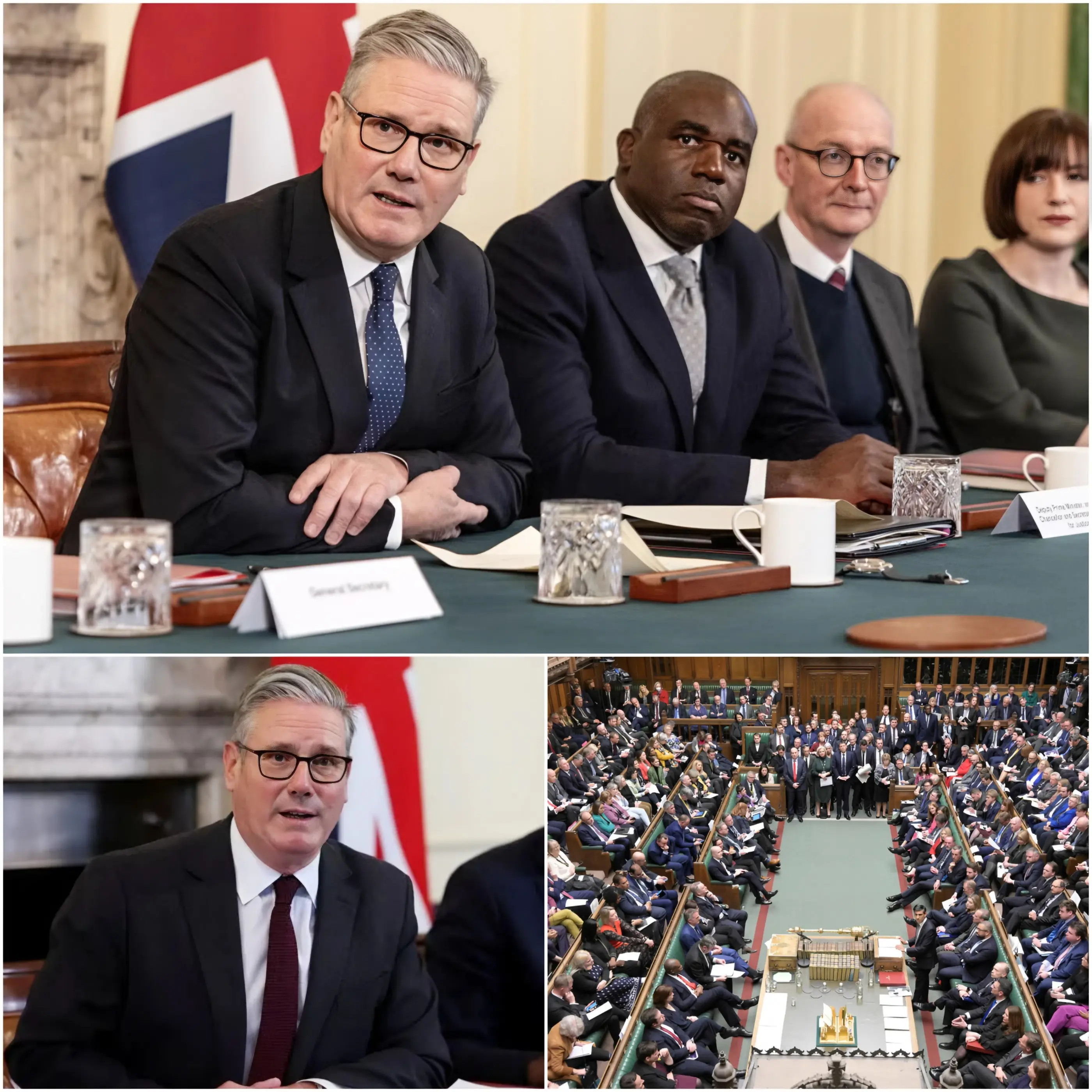
The controversy erupted when the government, under Housing, Communities and Local Government Secretary Steve Reed, approved delays to the May 2026 local elections in 30 English councils undergoing local government reorganisation. Ministers argued that the postponement until 2027 would free up resources and capacity for councils to manage structural changes, such as boundary reviews and administrative mergers. However, opponents quickly branded the move as undemocratic, especially given that many of the affected areas are Labour-controlled and Reform UK was polling strongly in several of them.
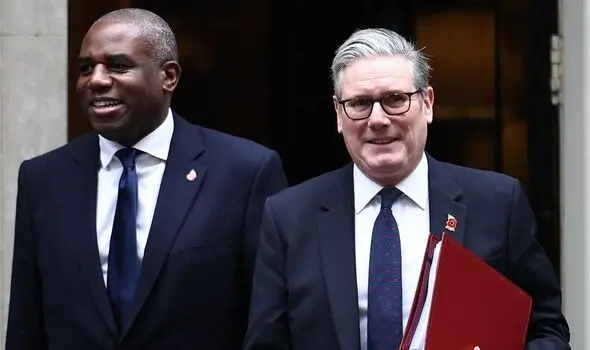
**Reform UK** wasted no time in launching a judicial review, arguing that cancelling elections for millions of voters was “patently irrational,” contrary to democratic norms, and an overreach of ministerial powers. The party contended that the decision deprived citizens of their right to hold local representatives accountable at the ballot box. A High Court judge agreed that the case had sufficient merit to proceed, scheduling a full hearing for mid-February. The mere prospect of judicial scrutiny proved decisive.
Just days before the court date, the government performed a rapid U-turn, withdrawing the postponement decision after receiving fresh legal advice that it was likely to lose the challenge.
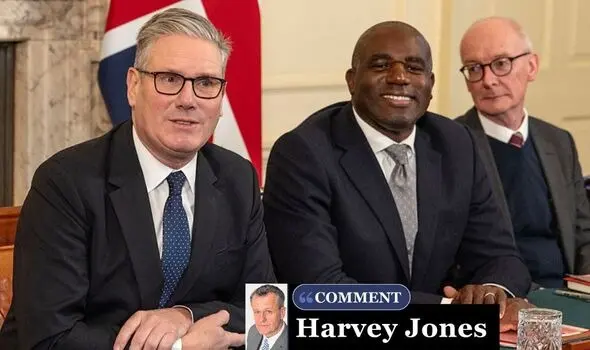
In a strongly worded statement, Reform UK leader **Nigel Farage** claimed victory, declaring: “We took this Labour government to court and won. In collusion with the Tories, Keir Starmer tried to stop 4.6 million people voting on May 7th. Only Reform UK fights for democracy.” The party also highlighted that the government has agreed to cover its legal costs, estimated to run into six figures, further fuelling perceptions of a humiliating climbdown for the Starmer administration.
The episode has exposed deep tensions within Britain’s political system. Supporters of the original delay pointed to practical challenges: councils in the midst of reorganisation faced increased workloads, and holding elections could distract from delivering efficient local services. Some Labour figures privately suggested the move was necessary to avoid administrative chaos. Yet the optics were damaging. Postponing elections in the wake of Labour’s general election victory last year raised suspicions that the government feared losing ground to rising populist forces, particularly Reform UK, which has surged in national polls by capitalising on public frustration over immigration, taxes, and cultural change.
Opposition parties seized on the reversal as evidence of governmental weakness and contempt for voters. Conservative spokespeople accused Labour of treating democracy as optional when it suited their political calendar. Even some within Labour expressed unease, with backbench MPs voicing concerns that the initial decision risked alienating the very communities the party claims to represent. The U-turn has left councils scrambling to prepare for polls with less than three months’ notice, creating logistical headaches and additional costs that the government insists will not burden the public purse significantly.
This is not the first time questions have arisen about the integrity of local democracy under the current administration. Critics have drawn parallels with previous postponements during the pandemic and earlier reorganisation efforts, but the scale — nearly 30 councils and millions of voters — made this instance particularly contentious. Reform UK positioned itself as the defender of ordinary citizens’ voting rights, arguing that no government should have the unchecked power to silence the electorate for administrative convenience.
The legal battle has broader implications for British democracy. It raises fundamental questions about the extent of ministerial discretion under the Local Government Act and whether safeguards are strong enough to prevent future attempts to delay or cancel elections. Some commentators have called for legislative reform to limit or remove the Secretary of State’s ability to postpone polls except in genuine national emergencies. Petitions have already circulated demanding tighter protections for the electoral calendar.
For **Keir Starmer**, the episode represents yet another awkward U-turn in a series that has tested his government’s authority. Coming amid ongoing challenges on the economy, immigration, and public sector reform, the local elections saga has handed ammunition to opponents who portray Labour as out of touch and willing to bend rules when politically expedient. Starmer has sought to frame the reversal as a response to “further legal advice” and emphasised that the original requests came from local councils themselves, attempting to deflect blame downward.
Meanwhile, Reform UK has used the moment to burnish its image as a disruptive force willing to take on the establishment through both the ballot box and the courtroom. The party’s rapid legal action and subsequent victory have boosted morale among its growing supporter base and reinforced its narrative as the only genuine challenger to the Westminster consensus. With local elections now confirmed for May, Reform UK hopes to translate national polling strength into tangible council seats, further pressuring the major parties.
As the clock continues to tick toward polling day, the affair has left a lingering sense of unease about the health of British democracy. While elections will now proceed, the episode has exposed vulnerabilities in the system: the ease with which votes can be threatened with cancellation, the politicisation of local government reorganisation, and the increasing willingness of newer parties to use judicial routes to enforce accountability.
The High Court’s decision to allow the challenge, followed by the government’s swift retreat, serves as a reminder that even in a mature democracy, vigilance is required to protect the simple right of citizens to cast their ballots. Whether this marks a one-off embarrassment for Labour or the beginning of a more assertive judicial and political pushback against perceived executive overreach remains to be seen.
For now, millions of voters across 30 councils can prepare to have their say in May — a right that came perilously close to being deferred, and one that Reform UK claims to have defended on their behalf.
The coming months will reveal whether this democracy scare strengthens calls for electoral reform or simply fades into the background of Britain’s turbulent political landscape. One thing is certain: the tension between administrative efficiency and democratic accountability has been laid bare, and the public will be watching closely as councils race to organise what nearly became the elections that never happened.