A leading UK homelessness charity has ended its association with television personality Sharon Osbourne after she publicly expressed support for attending an anti-immigration march organised by far-right commentator Tommy Robinson. Centrepoint, which works with vulnerable young people across Britain, stated that the event does not align with its values of supporting individuals from all backgrounds, ethnicities, and religions without fear or discrimination.

The controversy erupted after Osbourne commented on an Instagram video promoting the upcoming “Unite The Kingdom” march scheduled for May 16. In her response, the 73-year-old former *The X Factor* judge and rock manager wrote simply, “See you at the march,” signalling her intention to participate. The march follows a similar large-scale rally organised by Robinson in September of the previous year, which drew over 100,000 participants to central London and ended in clashes between protesters and counter-demonstrators.

Centrepoint had recently collaborated with Osbourne as part of an Omaze fundraising campaign, but moved quickly to distance itself. In a statement, the charity emphasised its commitment to inclusive support for young homeless people. “This sort of event does not align with our values,” it said. “Centrepoint has a proud history of supporting young people, whatever their background, ethnicity or religion.
If we want young people to thrive in this country, then we need to ensure our society continues to allow them to live without fear and able to access the opportunities they need to start education or work and leave homelessness behind.”
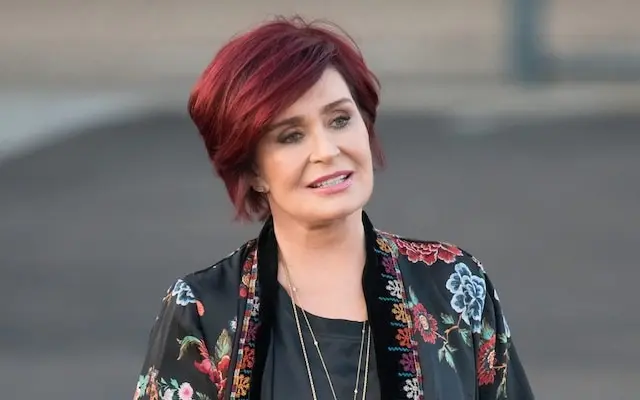
The organisation clarified that Osbourne was never an official ongoing ambassador and confirmed there were no plans for future collaboration, though it thanked her for the support provided during the recent campaign. The decision reflects the challenges charities face when high-profile supporters become embroiled in divisive political issues, particularly those involving immigration, free speech, and public order.
Robinson’s previous “Unite The Kingdom” event in September saw demonstrators gather near Waterloo Bridge before marching to Whitehall. While the rally began with speeches addressing concerns over small boat crossings, free speech, and government policies, tensions escalated when protesters encountered a counter-demonstration organised by the group Stand Up To Racism. Violence broke out, leading to 25 arrests and injuries to 26 police officers, four of them serious.
Metropolitan Police leaders described the level of violence from some anti-migrant protesters as “wholly unacceptable.” During the event, Tesla CEO Elon Musk made a video appearance criticising the government and urging supporters to “fight back or die,” further amplifying international attention.
Sharon Osbourne’s decision to align herself with the upcoming march marks a notable shift toward more outspoken political engagement in recent months. Following the death of her husband, heavy metal icon Ozzy Osbourne, in July 2025, she has divided her time between the couple’s Buckinghamshire home and an apartment in Los Angeles. Her public comments have increasingly touched on UK political matters. In February, she announced plans to stand as a Conservative candidate in Birmingham’s Sparkhill ward to challenge convicted terrorist Shahid Butt, who was seeking a local council seat.
Butt was one of six UK nationals convicted in 1999 of plotting attacks in Yemen, including on the British consulate. He received a five-year sentence on terrorism charges. Osbourne reacted strongly after viewing a social media video featuring Butt, commenting that the situation “has nothing to do with racism” and declaring her intention to move temporarily to Birmingham to run for the council seat. “I’m serious,” she added at the time. The original post was later removed from Instagram.
Although Osbourne does not currently reside in the Midlands, she has historical family ties to the area through Ozzy, who was born in nearby Aston.
Her growing political commentary has drawn both support and criticism. Supporters view her as a no-nonsense voice highlighting concerns about immigration, integration, and national identity that they feel mainstream politicians have ignored. Critics, however, argue that associating with events linked to Tommy Robinson risks legitimising far-right narratives and alienating communities that charities like Centrepoint serve daily.
Centrepoint’s work focuses on preventing youth homelessness and providing emergency accommodation, education, and employment support. The charity operates in a challenging environment where young people from diverse backgrounds, including refugees and migrants, often face significant barriers. Its decision to cut ties with Osbourne underscores a broader trend among non-profits to protect their brand integrity and core mission when celebrity endorsements conflict with organisational values. Celebrity partnerships can boost visibility and fundraising, but they also carry reputational risks when personal views enter contentious territory.
The upcoming May 16 march is expected to draw significant crowds again, with organisers framing it as a demonstration of national unity against perceived failures in immigration policy and free speech restrictions. Opponents plan counter-protests, raising concerns among police about potential repeats of last year’s disorder. Public debate around such events often centres on balancing the right to protest with maintaining community cohesion and public safety.
Osbourne’s involvement adds a layer of celebrity intrigue to an already polarised discussion. Known for her decades in the entertainment industry alongside Ozzy and her sharp-tongued appearances on reality television, she has cultivated a reputation for directness. Her recent comments suggest a willingness to step further into political activism at a time of personal transition following her husband’s passing. Whether this marks a temporary expression of frustration or the beginning of a more sustained public role remains to be seen.
For Centrepoint, the priority remains supporting thousands of vulnerable young people each year. The charity’s swift response highlights its commitment to neutrality on divisive issues while focusing on practical help for those experiencing homelessness. In a statement, it reinforced that effective solutions to youth homelessness require a society where everyone can access opportunities regardless of origin.
The episode illustrates the complex intersection of celebrity culture, charity work, and politics in contemporary Britain. As immigration remains a hot-button topic ahead of local and national elections, figures like Sharon Osbourne attract both praise for speaking out and criticism for the platforms they choose to endorse. Meanwhile, organisations like Centrepoint must navigate these turbulent waters carefully to preserve trust among donors, beneficiaries, and the wider public.
As preparations for the May 16 march continue, the focus returns to the streets of London and the broader national conversation about identity, security, and belonging. Osbourne’s decision has cost her a charity partnership, but it may have strengthened her standing among those who share her views on the issues at stake. In an era where social media amplifies every comment and celebrities are increasingly expected to take sides, such controversies are likely to become more frequent.