Independent activist Laura Loomer ignited a heated political debate this week after publicly demanding that Minnesota congresswoman Ilhan Omar explain questions surrounding financial disclosures and widely circulated claims about her family’s wealth.
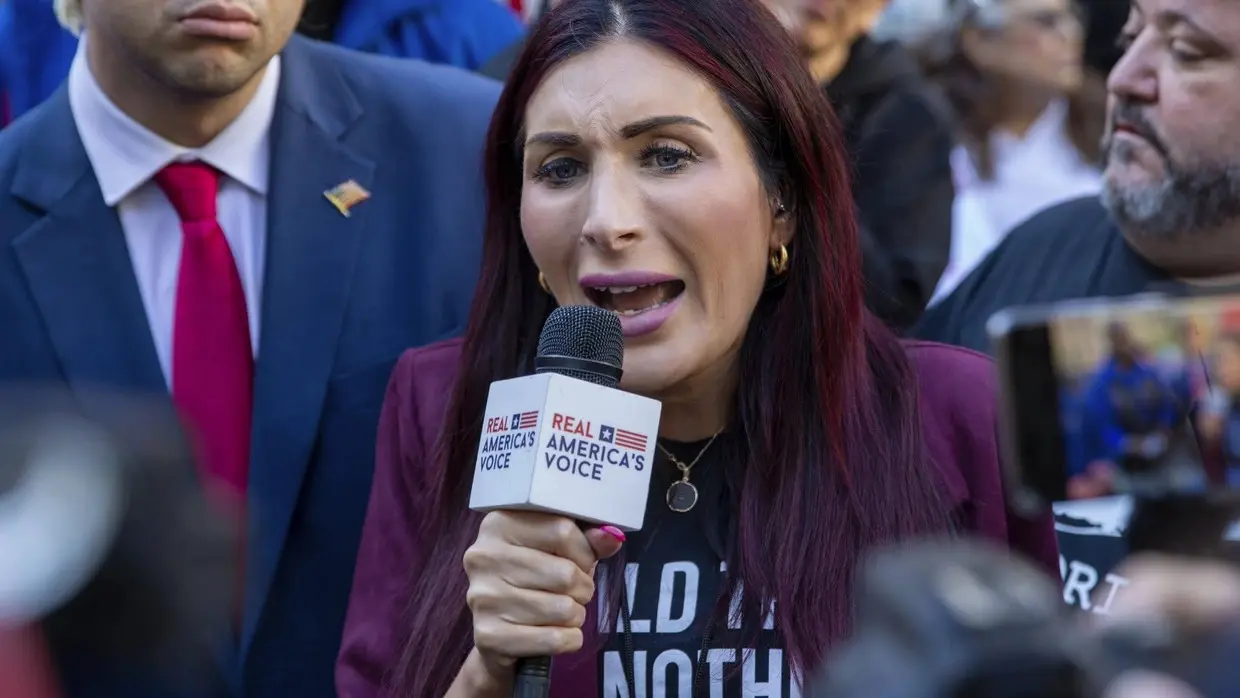
The controversy erupted during a livestream broadcast on social media in which Loomer addressed allegations circulating online that Omar’s financial situation had changed dramatically since she first entered the United States Congress several years ago.
In the video, Loomer argued that the public deserved greater transparency regarding financial disclosures submitted by members of Congress. She specifically focused on reports claiming Omar’s household wealth may have risen dramatically over the past few years.
Those claims often cite figures as high as $30 million or even $44 million circulating across political commentary channels. However, financial experts and independent reporting indicate those numbers may reflect misunderstandings of congressional disclosure rules rather than confirmed personal wealth.
According to financial disclosure documents reviewed by journalists, Omar’s filings include valuation ranges connected primarily to business interests associated with her husband, political consultant Tim Mynett, rather than assets directly owned by the congresswoman herself.
Analysts note that members of Congress are required to disclose asset values in broad ranges rather than precise figures, which can sometimes create confusion when observers attempt to calculate a total net worth from those reports.
In Omar’s most recent disclosure, two business entities linked to her husband appeared with significantly higher valuation ranges than in previous years. These included venture capital firm Rose Lake Capital and a California winery venture.
The filing listed Rose Lake Capital with a valuation range between $5 million and $25 million and the winery eStCru LLC between $1 million and $5 million. Those ranges contributed to speculation that Omar’s household wealth had grown dramatically. (Newsmax)
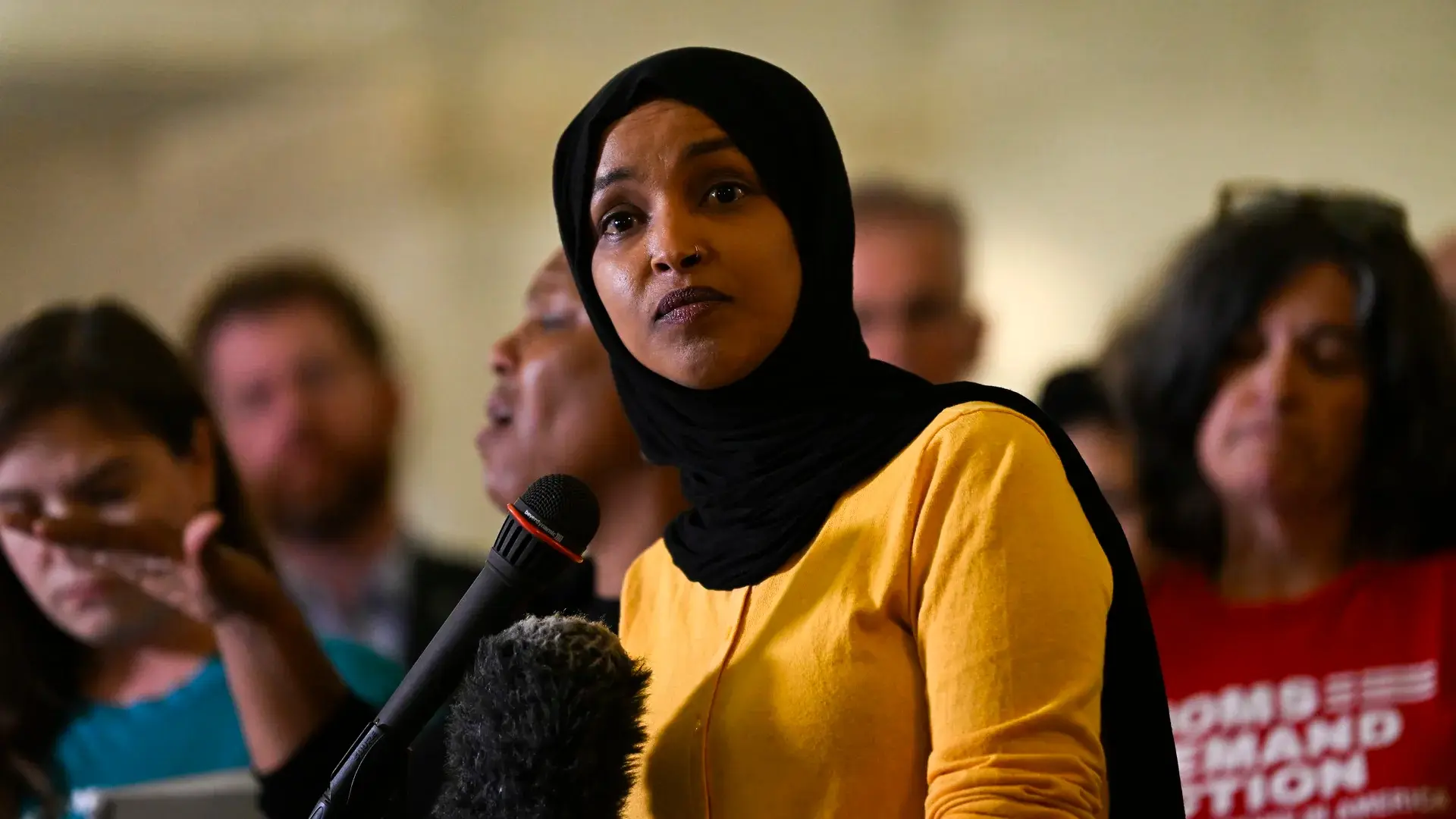
However, financial reporting by outlets including Forbes suggested that the figures reflect the total estimated value of the companies themselves rather than the specific ownership share held by Omar’s husband. (Forbes)
When liabilities and other disclosed assets are considered, analysts concluded that Omar’s personal net worth could remain relatively modest and may even fall near zero depending on how those business valuations are interpreted. (Forbes)
Despite those clarifications, Loomer’s livestream drew millions of views as she demanded further explanation. She argued that elected officials should welcome deeper scrutiny whenever large changes appear in public financial reports.
“This kind of money doesn’t just appear out of nowhere,” Loomer said during the broadcast while urging investigators to examine whether disclosure rules had been followed correctly in the filings.
Her comments also referenced a large welfare fraud investigation in Minnesota that has already led to numerous criminal charges against individuals connected to pandemic-era meal programs designed to feed children.
Authorities have investigated alleged misuse of government funds in those programs, which prosecutors say involved hundreds of millions of dollars in fraudulent claims submitted by several organizations operating in the state.
The investigation has drawn national attention because some individuals charged in the case had connections to community organizations within Omar’s congressional district, though prosecutors have not accused the congresswoman of wrongdoing.
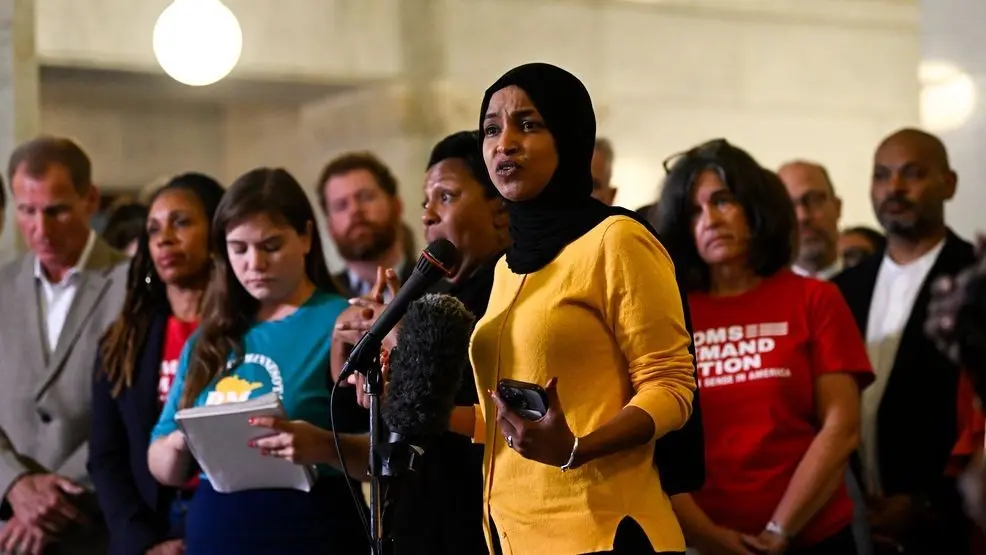
Officials involved in the case have repeatedly emphasized that Omar herself has not been charged or formally implicated in the fraud scheme, which remains the subject of ongoing legal proceedings in federal court.
Still, critics argue that the scale of the fraud warrants broader oversight and more aggressive scrutiny of political figures connected to organizations or individuals who participated in the programs.
Supporters of Omar strongly reject those accusations. They argue that the congresswoman has consistently condemned the fraud and supported efforts to prosecute anyone responsible for stealing public funds intended for children.
Omar herself has previously dismissed allegations tying her to the scandal, describing many of the claims circulating online as politically motivated attacks designed to damage her reputation during a polarized political climate.
Her defenders also note that financial disclosure documents are often misunderstood because they require reporting ranges rather than exact dollar amounts, which can easily lead to inflated interpretations when observers combine the highest possible values.
Legal experts say that unless investigators discover evidence of undisclosed income or violations of federal disclosure requirements, variations in reported valuation ranges alone do not necessarily indicate wrongdoing.
Nevertheless, political activists across the ideological spectrum continue to debate the issue vigorously, illustrating how financial transparency among elected officials remains a sensitive topic in American politics.
For Loomer and other critics, the situation represents an opportunity to call for stronger oversight and potentially stricter reporting standards for lawmakers and their families.
For Omar’s allies, the controversy highlights how complex financial filings can be weaponized in political debates when partial information spreads rapidly across social media platforms without full context.
The dispute also reflects broader tensions surrounding public trust in political institutions. Many voters increasingly demand clearer explanations regarding the financial interests of elected representatives.
At the same time, experts warn that misinterpreting disclosure documents can easily create misleading narratives, particularly when ranges rather than exact values appear in official forms required by Congress.
As the debate continues, no formal criminal charges related to Omar’s finances have been announced by federal investigators. Public records currently show only the disclosed business valuations associated with her husband’s ventures.
Meanwhile, the Minnesota fraud investigation remains focused on individuals accused of exploiting government nutrition programs during the pandemic rather than on members of Congress.
Whether the political controversy fades or grows will likely depend on future reporting, potential oversight inquiries, and the ongoing national discussion about transparency in government finances.
For now, the clash between Loomer and Omar underscores how financial disclosure data—often technical and complex—can quickly become a flashpoint in the broader political battles shaping American public discourse today.