Prince Harry delivered a deeply personal keynote address at the **InterEdge Summit** in Melbourne on April 16, 2026, during a multi-day visit to Australia with Meghan Markle. Speaking on workplace mental health and leadership, the Duke of Sussex openly reflected on his lifelong struggles, including feelings of being “lost, betrayed, or completely powerless.” He tied much of this to the traumatic loss of his mother, Princess Diana, when he was 12 years old.
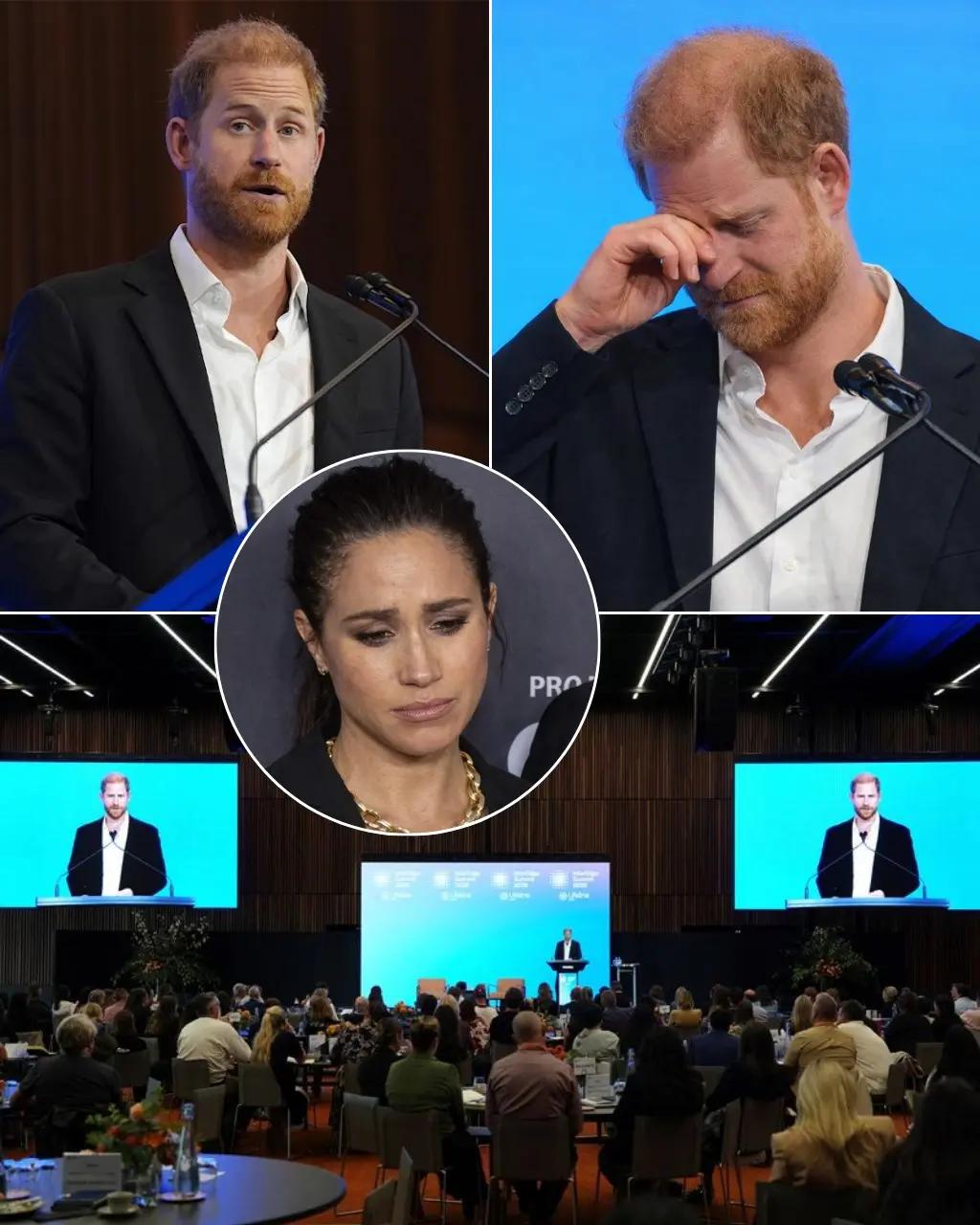
In the speech, Harry stated that after Diana’s death he wanted nothing to do with royal life. He recalled thinking, “I don’t want this job. I don’t want this role — wherever this is headed, I don’t like it. It killed my mum and I was very much against it.” He described sticking his head in the sand for years before eventually reframing his perspective by asking what his mother would have wanted him to do with his position.
Harry emphasized that becoming a father later helped him confront past issues through therapy and strive to be a better version of himself for his children.
These remarks are consistent with themes Harry has explored for years — in his 2023 memoir *Spare*, the 2022 Netflix series, and various interviews. The trauma of losing Diana in a high-speed paparazzi chase has remained a central thread in his public narrative. He has repeatedly linked the intense media scrutiny his mother faced to her struggles and, by extension, to his own mental health challenges, including anxiety, panic attacks, and a sense of betrayal by both the institution and the press.
The speech quickly divided audiences. For many supporters, it represented raw courage and vulnerability. Harry has positioned himself as an advocate for mental health awareness, co-founding the Invictus Games and working with organizations focused on trauma, grief, and emotional well-being. Sharing how early loss shaped his resistance to royal duty, and how he eventually found purpose, can resonate as an authentic example of processing intergenerational pain and breaking cycles. In the context of the summit — focused on psychosocial safety and leadership — framing personal grief as a driver for growth fits the theme.
Critics, however, see a pattern of contradiction. Harry continues to draw on the very royal upbringing and family pain he says harmed him, presenting it as paid keynote content at events where tickets originally cost up to nearly $2,000 (with some later slashed by more than 50% due to lower-than-expected demand). The perception that he monetizes the same trauma he once sought to escape fuels accusations of hypocrisy.
Why repeatedly revisit the institution and family dynamics he walked away from in 2020 if the goal is genuine healing and forward movement? Some argue that constant public disclosure keeps old wounds open rather than allowing private closure, and that invoking Diana’s death in paid settings risks appearing exploitative.
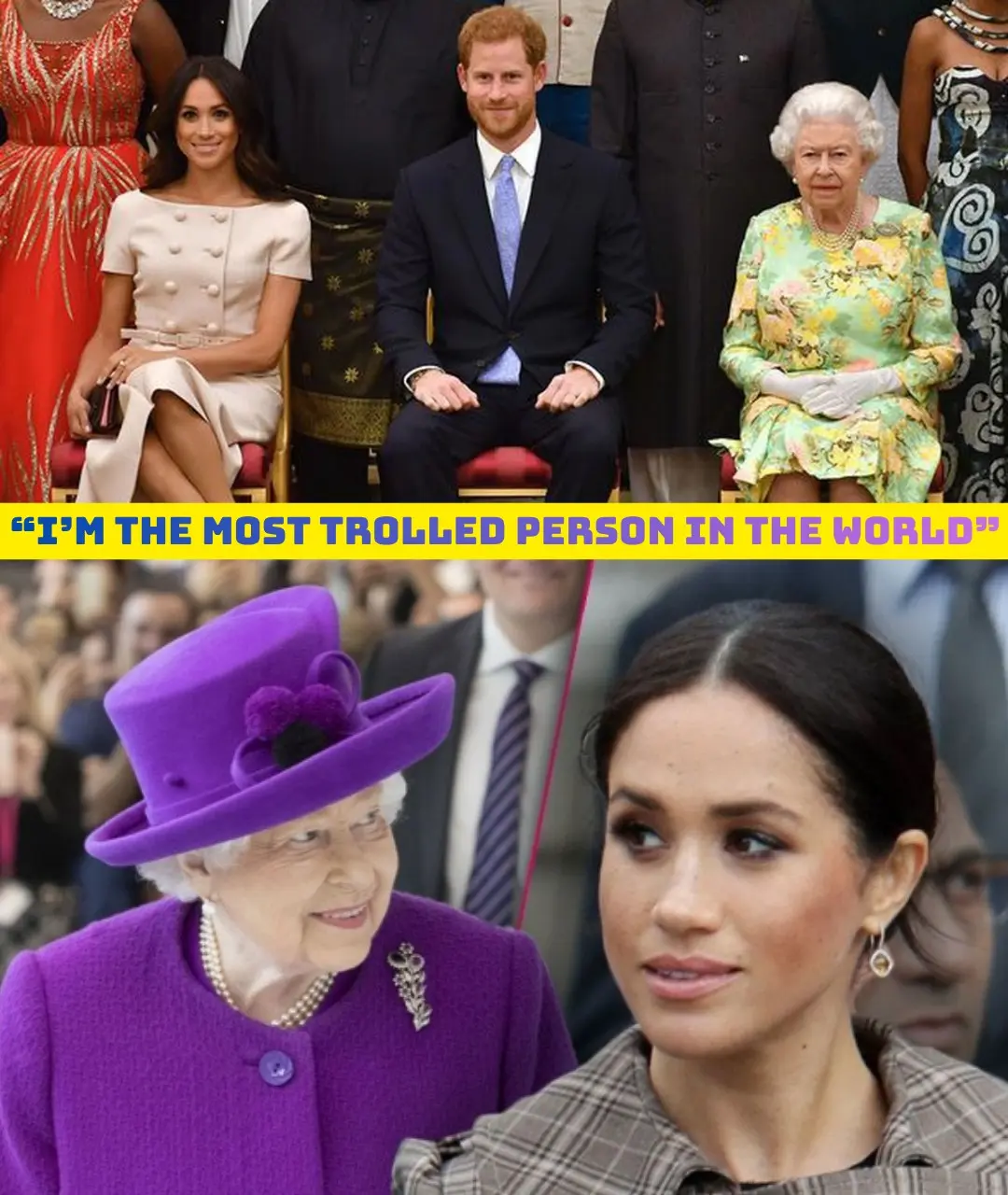
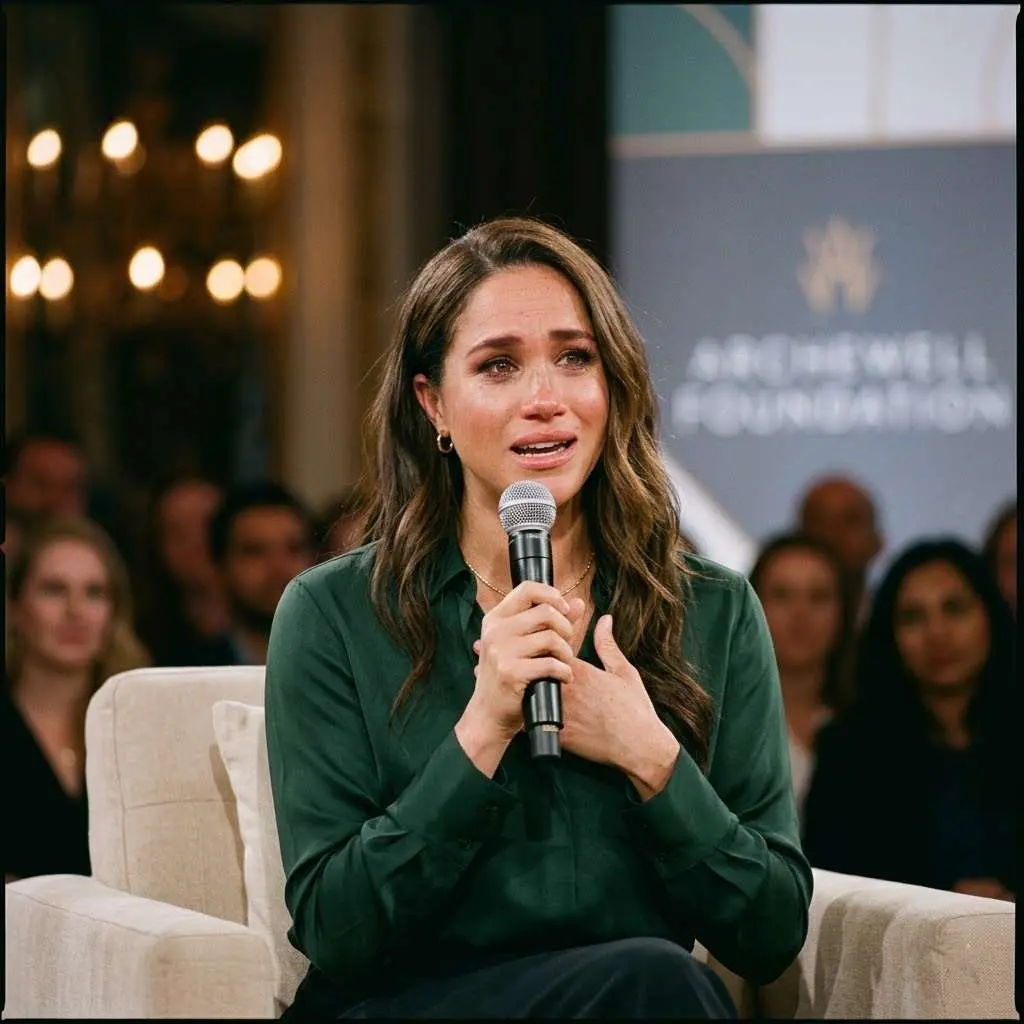
This tension is not new. Since stepping back as senior working royals and relocating to California, Harry and Meghan have built a post-royal brand centered on authenticity, mental health advocacy, and media reform. Their projects — books, documentaries, speaking engagements, and the Archewell Foundation — frequently reference their experiences inside the monarchy. Supporters view this as using their platform responsibly to spotlight issues like online harassment (Meghan also spoke during the Australia trip about being “the most trolled person in the world” for a decade) and the pressures of public life.
Detractors counter that it reflects an inability to fully detach, turning personal grievances into a commercial narrative while retaining royal titles and the prestige that comes with them.
The financial element adds another layer. Reports indicated Harry was reportedly paid around £36,000 for the InterEdge keynote, a significant reduction from earlier high-profile fees. Ticket price cuts and descriptions of modest attendance have led some media outlets and commentators to question the drawing power of these appearances. For a couple who left royal duties partly to gain independence and privacy, the choice to headline paid summits on mental health while revisiting royal trauma invites scrutiny about motives and consistency.
At the same time, grief from losing a parent at a young age — especially in such a public and violent manner — is profound and rarely linear. Many mental health experts note that survivors of sudden loss often revisit the trauma throughout life as new stages (marriage, parenthood) trigger fresh reflections. Harry has described therapy as a tool that helped him process this, and he has credited it with improving his ability to parent.
In that light, the speech can be seen less as contradiction and more as an ongoing journey: acknowledging the past without being defined by it, while using hard-earned insights to advocate for others.
Public reaction remains sharply polarized, much as it has been since the 2021 Oprah interview. One side hears a man courageously breaking generational silence around mental health and institutional pressures. The other hears someone who cannot or will not move on, profiting from the very system and family he criticizes. Both perspectives contain elements of truth depending on one’s starting point. Harry’s childhood was undeniably shaped by extraordinary privilege mixed with extraordinary loss and intrusion.
His adult choices — leaving royal duties, public disclosures, and new ventures — reflect an attempt at agency, but they also keep him tethered to the narrative he says damaged him.
Ultimately, the speech highlights a broader cultural conversation: how we balance personal healing with public advocacy, especially when the personal story is inextricably linked to fame, family legacy, and money. Harry’s willingness to speak openly about feeling powerless after Diana’s death is human and relatable for many who have experienced loss. Whether repeatedly sharing that story on stage, sometimes for paying audiences, represents healthy processing or stalled grievance is a question each observer must answer for themselves.
What is clear is that more than 25 years after losing his mother, Prince Harry is still wrestling with the long shadow of that event — and the world is still divided on how he chooses to live with it.
The debate is unlikely to resolve soon. As Harry continues his advocacy work alongside Meghan, both the empathy for his pain and the skepticism about his methods will persist. True progress, if it is the goal, may ultimately be measured less by speeches and more by private peace and consistent actions that align with the vulnerability he publicly espouses.