Australia’s political climate intensified this week after the Senate voted 36 to 17 to formally censure Pauline Hanson. The decision followed remarks she made about Muslim Australians during parliamentary proceedings, sparking a swift and wide ranging response from lawmakers across the political spectrum nationwide.
The censure motion, introduced after hours of debate, marked a rare parliamentary rebuke. Senators supporting the measure argued that Hanson’s statements crossed from robust political discussion into rhetoric they considered divisive, particularly within Australia’s diverse and multicultural society at a sensitive moment.
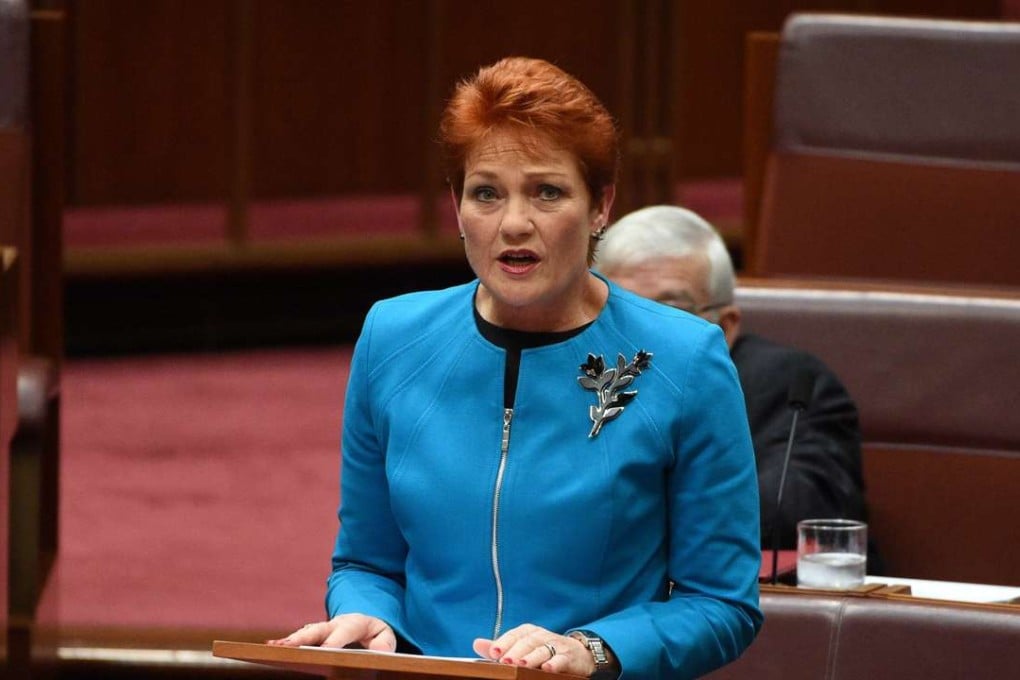
Hanson, leader of One Nation, rejected the motion outright. She described the vote as politically motivated and insisted her comments reflected concerns she believes many Australians share regarding national security, immigration policy, and social cohesion in contemporary Australia.
Government representatives contended that parliamentary privilege carries responsibility. They maintained that debate must remain respectful and grounded in evidence, especially when addressing minority communities. Several senators emphasized that Australia’s multicultural framework depends on mutual respect among citizens of varied backgrounds.
Members of the opposition joined government senators in supporting the censure. While acknowledging the importance of free speech, they argued that elected officials should avoid language that could be interpreted as targeting specific religious communities or undermining social harmony.
Crossbench senators played a decisive role in the 36 to 17 outcome. Some expressed reluctance to endorse censure motions generally, yet concluded that the circumstances warranted a formal response to reaffirm parliamentary standards and protect inclusive democratic values.
During the debate, supporters of the motion stressed that criticism of policy is legitimate, but broad characterizations about communities risk eroding trust. They framed the censure as a symbolic reaffirmation of Parliament’s commitment to equality before the law and respect for all Australians.
Hanson defended her remarks, stating that she was addressing policy issues rather than individuals. She argued that raising questions about integration and national security should not automatically be labeled harmful or discriminatory within a democratic forum.
Supporters outside Parliament echoed her position, portraying the vote as an attempt to silence dissenting perspectives. They maintained that public debate should allow for strong views, particularly on complex issues involving security and cultural identity.
Legal experts noted that a censure motion does not impose legal penalties. Instead, it represents a formal expression of disapproval by the Senate. Such motions are relatively uncommon and typically reserved for conduct considered inconsistent with parliamentary expectations.
Political analysts observed that the episode reflects broader tensions within liberal democracies. Balancing free expression with social responsibility remains an ongoing challenge, particularly when discussions involve religion, migration, and national identity.

Community leaders from various faith groups responded by urging calm and constructive dialogue. They emphasized the importance of distinguishing between policy disagreements and statements that could inadvertently affect perceptions of entire communities.
Several senators highlighted Australia’s history as a nation shaped by migration. They argued that public discourse should reinforce unity while allowing thoughtful examination of policy. The censure, they said, was intended to signal that inclusive values remain central to national identity.
Hanson countered that robust scrutiny of government policy is essential to democracy. She insisted her intention was to question institutional practices rather than criticize individuals based on faith. In her view, the reaction illustrated political sensitivity surrounding certain topics.
Observers pointed out that debates about speech boundaries are not new in Australia. Similar controversies have arisen over the years, often prompting reflection on how parliamentary language influences broader societal conversations.
The Prime Minister refrained from personal commentary but supported the Senate’s decision. Government spokespeople stated that Parliament must model respectful discourse, particularly when discussions involve communities who may feel vulnerable during heated debates.
Media coverage of the vote quickly extended beyond Canberra. Commentators across television and print outlets examined the implications for free speech, minority rights, and the evolving tone of political discourse in the country.
Academic experts in constitutional law explained that parliamentary privilege protects members from legal consequences for statements made in the chamber. However, they added that political accountability through mechanisms like censure remains an important counterbalance.
Public reaction appeared divided. Some Australians expressed concern that strong language in politics could deepen social divisions. Others worried that censures might discourage open debate on sensitive policy questions.
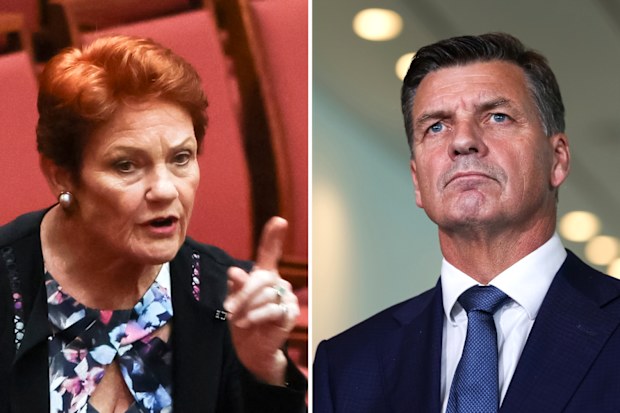
Within the Senate chamber, the atmosphere during the vote was serious but orderly. Senators articulated their positions carefully, aware that the outcome would resonate beyond procedural significance into the realm of national values.
Advocates for multiculturalism welcomed the result, arguing it reaffirmed Australia’s commitment to pluralism. They maintained that while criticism of policy is legitimate, framing issues around religious identity can risk unintended consequences.
Meanwhile, Hanson reiterated that she would continue to raise topics she considers important to her constituents. She stated that parliamentary rebukes would not deter her from expressing viewpoints she believes deserve attention.
Political strategists suggested the controversy may influence upcoming debates on immigration and national security legislation. Lawmakers from multiple parties indicated a desire to shift focus back to substantive policy discussions.
Civil society organizations called for dialogue rather than escalation. They encouraged leaders to engage communities directly and promote conversations grounded in evidence, empathy, and mutual respect.
The Senate’s 36 to 17 decision underscores how institutions navigate tensions between expression and responsibility. While the censure carries no direct sanctions, its symbolic weight highlights Parliament’s role in setting standards for public discourse.
As the debate continues beyond the chamber, many Australians are reflecting on the broader question at its core. Determining where vigorous political critique ends and rhetoric becomes harmful remains a complex challenge in a diverse democratic society.