Prime Minister Keir Starmer engaged in a robust discussion on UK defence capabilities during a recent select committee appearance, where he was questioned on the pace of defence investment and the government’s preparedness in light of evolving global threats. The session featured direct interventions from Conservative MP Bernard Jenkin, who challenged the timeline for producing a 10-year defence investment plan and called for greater urgency in adopting a “warfighting mentality”.
Starmer repeatedly stressed that his administration is addressing what he described as a legacy of underinvestment spanning multiple years. He noted that the previous government had not sufficiently resourced the armed forces, a point he said is now widely acknowledged. In response to criticism about delays, Starmer outlined his determination to finalise the investment plan only once funding sources are clearly identified and sustainable over the planned period.

The Prime Minister rejected suggestions that the absence of a completed plan is holding back immediate capability development. He highlighted recent increases in defence spending commitments, including a rise to 2.5% of GDP, which he contrasted with the lack of a similar credible pledge from the opposition during the last election. Starmer also pointed to improvements in military recruitment and retention, attributing part of the progress to a pay increase for personnel and commitments on accommodation and support services.
On the specific issue of Cyprus, Jenkin raised concerns about the UK’s readiness after an incident involving a drone strike on a sovereign base. Starmer countered by detailing ongoing diplomatic and military coordination with Cypriot authorities, including recent direct discussions with the Cypriot president. He affirmed that UK defensive capabilities in the region remain active and that close collaboration continues.
The exchange touched on broader themes of strategic adaptation, particularly in relation to drone warfare. Jenkin referenced insights from Ukrainian forces and suggested that the defence industrial strategy is being delayed. Starmer responded by noting his frequent engagements with Ukrainian President Volodymyr Zelenskyy and ongoing UK support for drone production capabilities in partnership with Ukraine. He described the UK as a leading ally in this area.
A key point of contention was the role of the Treasury in approving long-term spending commitments. Jenkin suggested the Chancellor had returned the plan, indicating insufficient backing. Starmer maintained that as Prime Minister it is his responsibility to ensure any commitments are fully funded and transparent to Parliament. He referenced a zero-based review of Ministry of Defence practices, citing historical issues of overcommitment and underfunding that his government is now addressing to establish a clearer baseline.
Starmer drew historical parallels, noting that previous leaders such as Winston Churchill and Margaret Thatcher had also inherited challenging situations. He insisted that while urgency exists, rushing commitments without secure funding would repeat past mistakes. Jenkin pressed on the absence of defence reviews during the Second World War, arguing that in times of conflict, action takes precedence over prolonged planning. Starmer acknowledged the changed nature of warfare, particularly the rapid evolution seen in the last year, but maintained that proper sequencing of strategy and funding is essential.
The committee also heard references to a cross-party paper co-authored by Jenkin and a Labour MP, with a foreword by Lord Robertson, which calls for the government to move more swiftly onto a war footing. Starmer reiterated that the strategic defence review already commits to this direction, and that the investment plan is the mechanism for delivering the necessary resources.
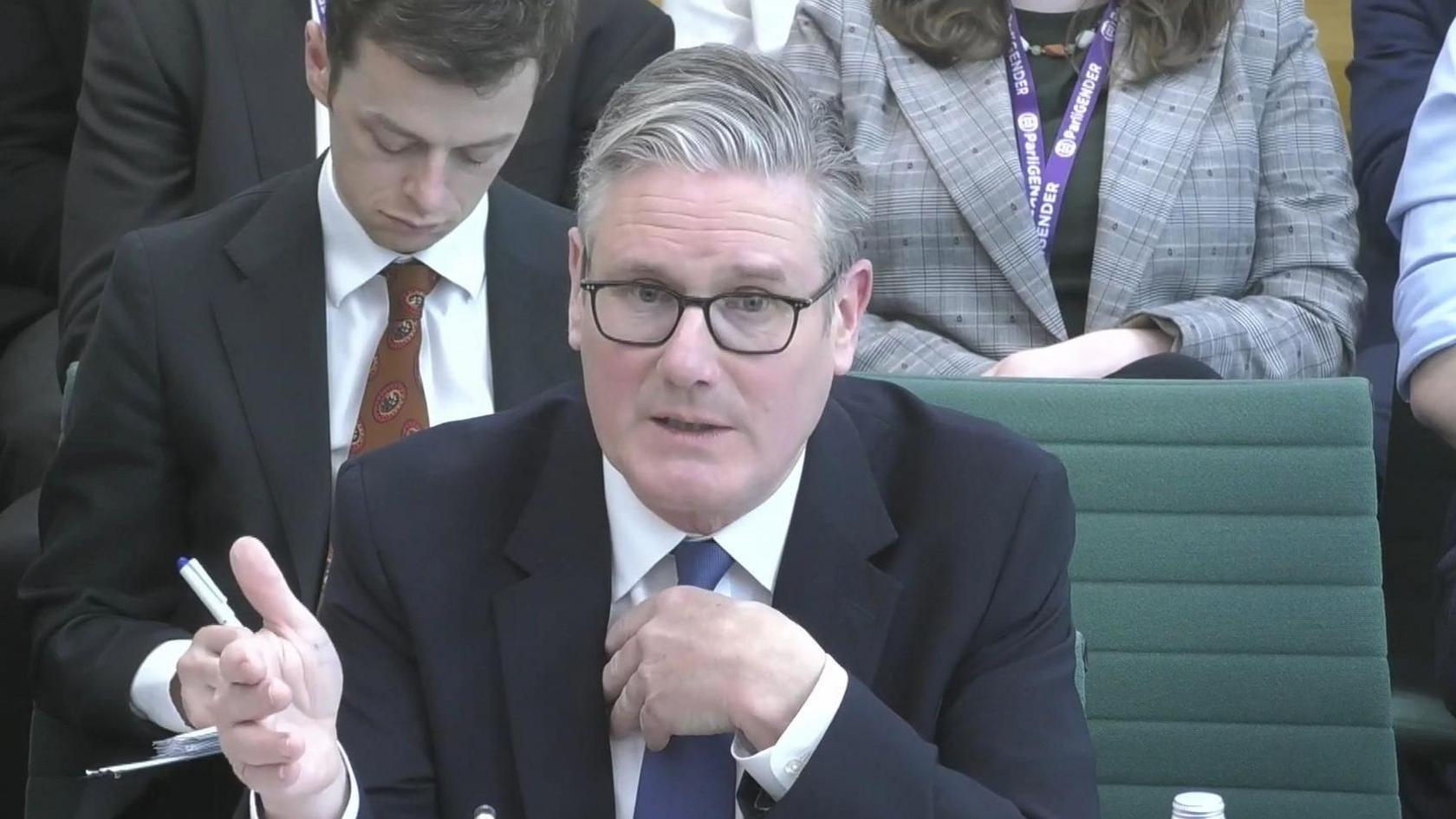
On timelines, Starmer confirmed that the plan is actively under finalisation and sits with him as part of a cross-departmental process. He pushed back against claims of complacency, insisting the government is turning around long-standing recruitment challenges and addressing capability gaps left by previous underinvestment. He offered to provide further detailed figures on recruitment and retention to the committee in writing.
The hearing reflects wider debates within UK politics about the appropriate pace of defence modernisation. The armed forces have faced successive reviews and spending adjustments over the past two decades, with concerns frequently raised by parliamentary committees, including the Defence Select Committee and Public Accounts Committee, about personnel shortages, equipment readiness, and industrial base capacity.
Current global pressures — including the situation in Ukraine, tensions in the Middle East, and technological shifts such as the proliferation of drones — have intensified calls for accelerated investment. The government has announced intentions to increase defence expenditure to 2.5% of GDP, with further ambitions discussed in the ongoing strategic review. However, delivering sustained multi-year funding requires alignment across Treasury, Ministry of Defence, and Number 10.
Critics argue that prolonged uncertainty affects industry confidence and the ability of the defence sector to plan long-term production and innovation. Supporters of the government’s cautious approach emphasise the need to avoid unfunded commitments that could undermine fiscal credibility or lead to further inefficiencies in procurement.
Starmer’s responses in the session underscored a focus on clearing what he termed “the mess” inherited upon taking office. This includes addressing historical practices within the Ministry of Defence that, according to his account, involved overcommitment without corresponding resources. By insisting on a “clean slate” approach, the Prime Minister signalled a preference for methodical reform over rapid but potentially unsustainable announcements.
The discussion also illustrated the challenges of cross-party cooperation on national security. While Jenkin acknowledged elements of underinvestment over 14 years of the previous administration, he maintained pressure on the current government’s 18-month record. Starmer, in turn, accepted some shared responsibility for past shortfalls but prioritised demonstrating progress under Labour.

For the UK’s defence posture, the stakes involve both immediate operational readiness and long-term industrial strategy. Recent conflicts have demonstrated the speed at which threats can evolve, particularly in the domain of unmanned systems and integrated air defence. Ensuring the armed forces can recruit, retain, and equip personnel capable of operating in this environment remains a priority across political lines.
As the defence investment plan nears completion, attention will turn to its specific content, funding mechanisms, and alignment with the strategic defence review. Parliament and industry will scrutinise whether the plan delivers the certainty needed to rebuild capabilities while maintaining value for taxpayers.
The committee hearing serves as a reminder of the intense scrutiny faced by any government on national security matters. With public and parliamentary expectations for robust defence policy rising in response to global instability, the balance between prudent financial planning and decisive action continues to shape political debate.
Starmer concluded his contributions by reaffirming his commitment to resolving the issues and delivering a properly funded plan. The coming weeks may bring further clarity as the government moves toward publication of the investment strategy and updates on related capability enhancements.
In the context of constrained budgets and competing domestic priorities, the exchange underscores the complexity of aligning strategic ambition with fiscal reality in an era of heightened geopolitical risk.