London — UK Prime Minister Sir Keir Starmer encountered sustained questioning from opposition parties during Wednesday’s session of Prime Minister’s Questions, with particular focus on the government’s approach to small boat crossings in the English Channel and the performance of Reform UK-controlled local councils.
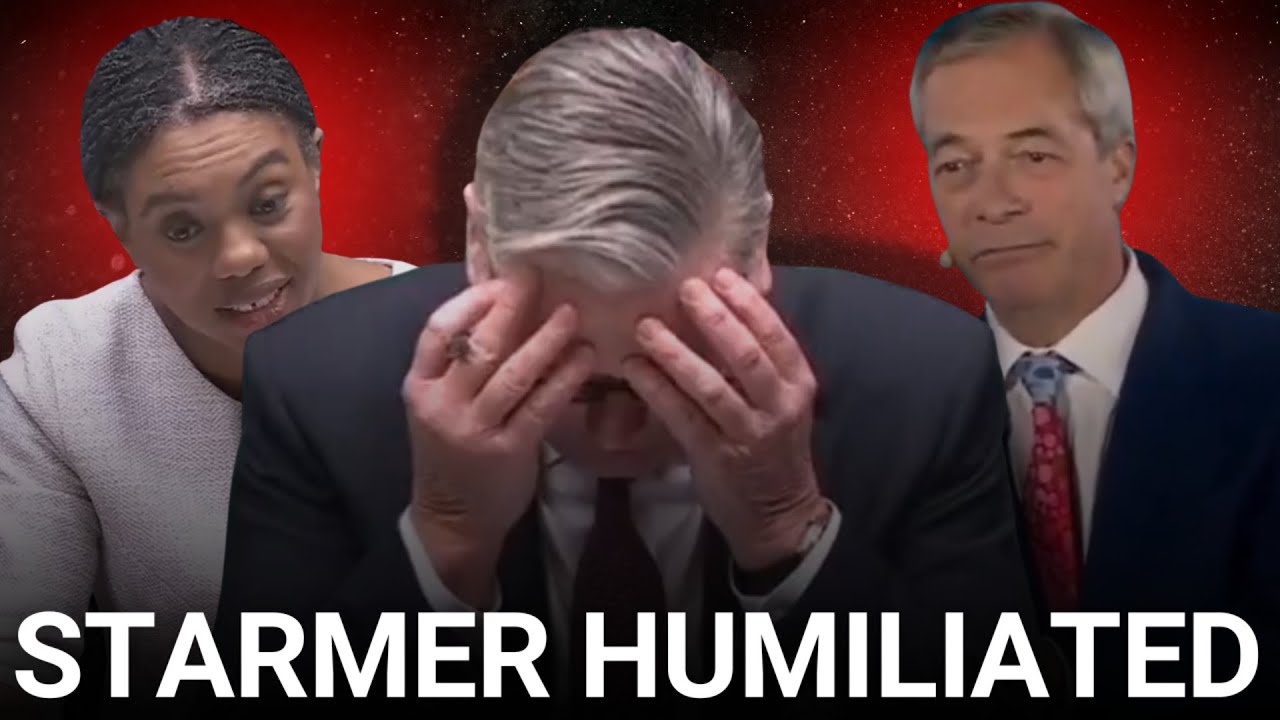
Conservative Leader Kemi Badenoch opened the exchanges with challenges on energy policy and North Sea gas development, highlighting differences over support for domestic energy bills. The session escalated when Reform UK leader Nigel Farage rose to question the effectiveness of the government’s “Smash the Gangs” initiative aimed at disrupting people-smuggling networks.
Farage cited figures indicating continued arrivals, including reports of approximately 1,000 crossings in the previous week and a cumulative total exceeding 70,000 under the current administration. He asked whether it was time for the Prime Minister to acknowledge that the policy had been a “total abject failure” and to outline an alternative plan ahead of the summer months when crossings typically increase.
Starmer responded by defending the government’s border security legislation, noting that Farage had opposed measures granting additional powers to authorities. The Prime Minister then shifted focus to Reform UK’s record in local government, pointing to council tax increases of up to 9% in areas under Reform control, such as Worcestershire, despite campaign promises of lower taxation. He described the party as more interested in exploiting issues than solving them.
The exchange prompted Farage and other Reform UK MPs to leave the chamber in protest. Farage later stated that the walkout reflected disgust at what he characterized as Starmer’s evasion and ranting rather than a substantive response to the immigration question. Reform deputy leader Richard Tice described the Prime Minister’s reply as arrogant and failing to address public concerns over border security.
Speaker of the House of Commons observed the departure, with some MPs responding with calls of “bye” as the group exited. The incident lasted only moments but drew immediate commentary across political lines, with critics portraying it as a theatrical gesture and supporters viewing it as a principled stand against perceived deflection.
The small boat issue remains a persistent point of political contention. Government figures emphasize increased enforcement actions, international returns agreements, and legislative enhancements to border controls. Opposition voices argue that arrival numbers demonstrate insufficient deterrence and question the long-term strategy for addressing both criminal networks and the underlying drivers of irregular migration.
On the local government front, Reform UK holds minority or influential positions in several councils following recent elections. Starmer’s references to tax rises and operational challenges in places like Worcestershire and Kent were intended to contrast Reform’s national rhetoric with its local record. Reform representatives have countered that inherited financial difficulties and central government funding constraints limit their options, while maintaining that their overall approach prioritizes efficiency and lower long-term burdens on residents.
The session reflects broader dynamics in the current parliamentary landscape. With Labour holding a substantial majority, Starmer faces pressure from both the official opposition Conservatives and the smaller but vocal Reform UK group on issues that resonate with sections of the electorate, particularly immigration and cost-of-living pressures.

Badenoch’s questioning on energy matters underscored ongoing debates about balancing domestic production, energy security, and affordability. These topics frequently intersect with wider economic policy discussions, including fiscal decisions affecting households.
Parliamentary procedure at PMQs allows opposition leaders six questions each, providing structured opportunities for scrutiny. The format often produces sharp exchanges but rarely yields detailed policy elaboration. Wednesday’s events followed a pattern seen in previous sessions where immigration remains a recurring theme amid fluctuating monthly crossing statistics.
Analysts note that public attention on small boat arrivals has remained elevated, with polling consistently identifying migration as a high-priority concern for many voters. The government continues to advance measures such as enhanced naval operations, cooperation with French authorities, and domestic processing reforms, while acknowledging that no single policy can eliminate the challenge entirely.
For Reform UK, the walkout represents a visible demonstration of frustration with the tone and substance of government responses. The party has positioned itself as a forceful advocate for stricter border controls, arguing that current policies fall short of delivering the reductions promised during the election campaign.
The episode is unlikely to alter legislative outcomes given Labour’s majority, but it contributes to the narrative framing ahead of future electoral tests, including local and by-elections. Media coverage has focused on both the substance of the immigration debate and the procedural drama of the departure.
Starmer’s office has reiterated commitment to a comprehensive strategy that combines enforcement with international partnerships, while avoiding what it describes as simplistic solutions. Opposition parties continue to press for clearer metrics of success and contingency planning.

As summer approaches, seasonal patterns in migration routes are expected to test the resilience of current measures. Technical discussions on returns agreements and smuggling disruptions remain active at ministerial level.
The PMQs exchange highlights the competitive nature of parliamentary debate on sensitive policy areas. While moments of high drama can capture public attention, sustained outcomes depend on implementation and measurable results in reducing irregular arrivals and managing local fiscal pressures.
Both sides will likely continue to frame the issues according to their respective priorities—security and deterrence on one hand, governance credibility and delivery on the other. The coming weeks may see further parliamentary scrutiny as monthly statistics are released and local council budgets come under closer examination.