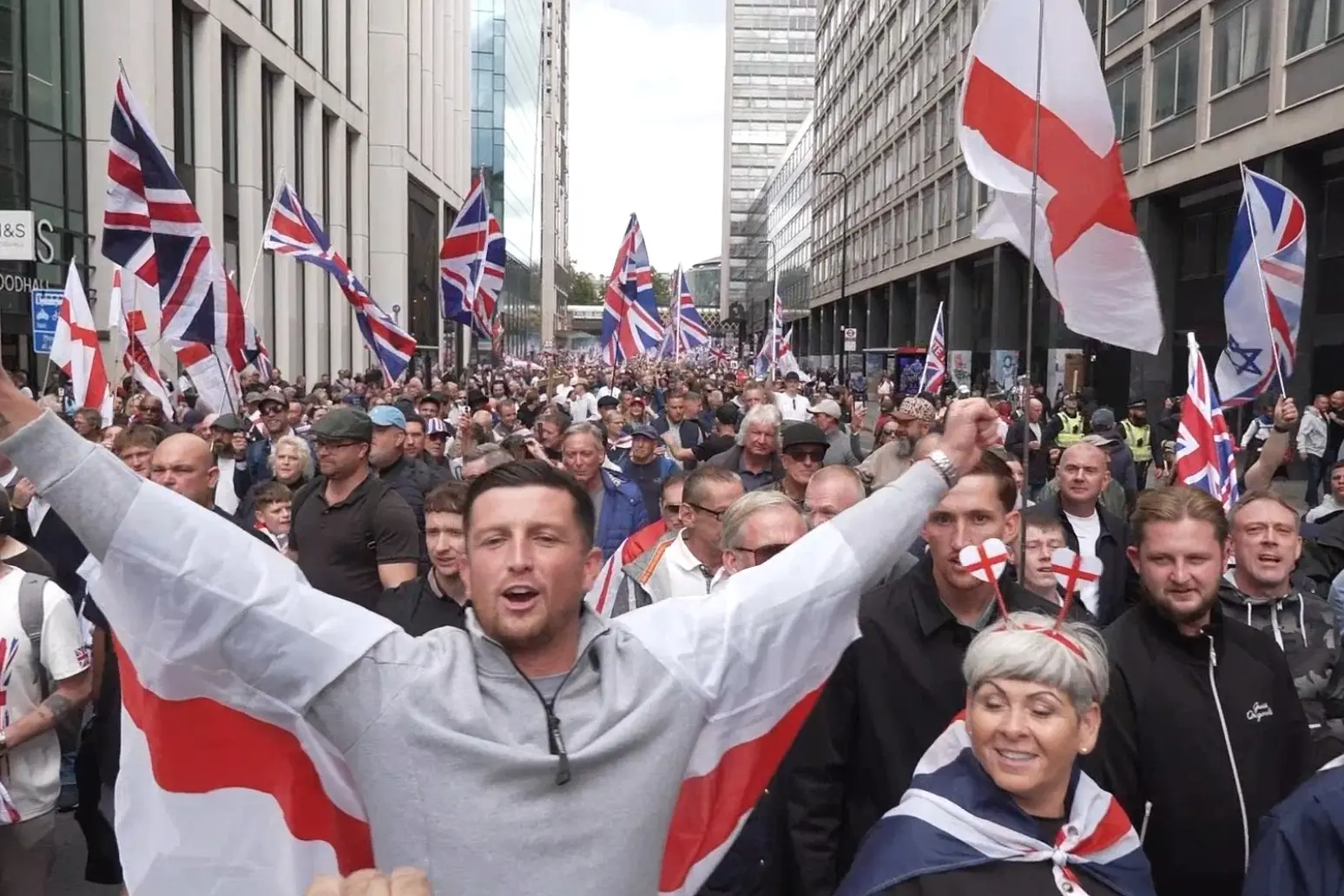
London is bracing itself for what could become one of the largest political mobilisations in the capital in recent years as the “Unite the Kingdom” rally is scheduled to take place on Saturday, May 16th. Organisers have claimed that up to a million demonstrators could descend on central London, though police and independent estimates anticipate significantly lower but still substantial numbers. The event, which has already ignited intense debate across the political spectrum, highlights deep divisions within British society over issues of immigration, national identity, and freedom of expression.
Prime Minister Keir Starmer has taken the unusual step of releasing a personal video message in the days leading up to the rally, directly condemning elements of the organising coalition. In the address, Starmer described certain participants and backers as “far-right” and accused them of promoting racism and division. He defended the government’s decision to ban several foreign speakers from entering the United Kingdom, arguing that their presence could inflame tensions and damage community relations.
The Prime Minister’s intervention signals the seriousness with which the Labour government views the potential for public disorder and the ideological challenge posed by the gathering.
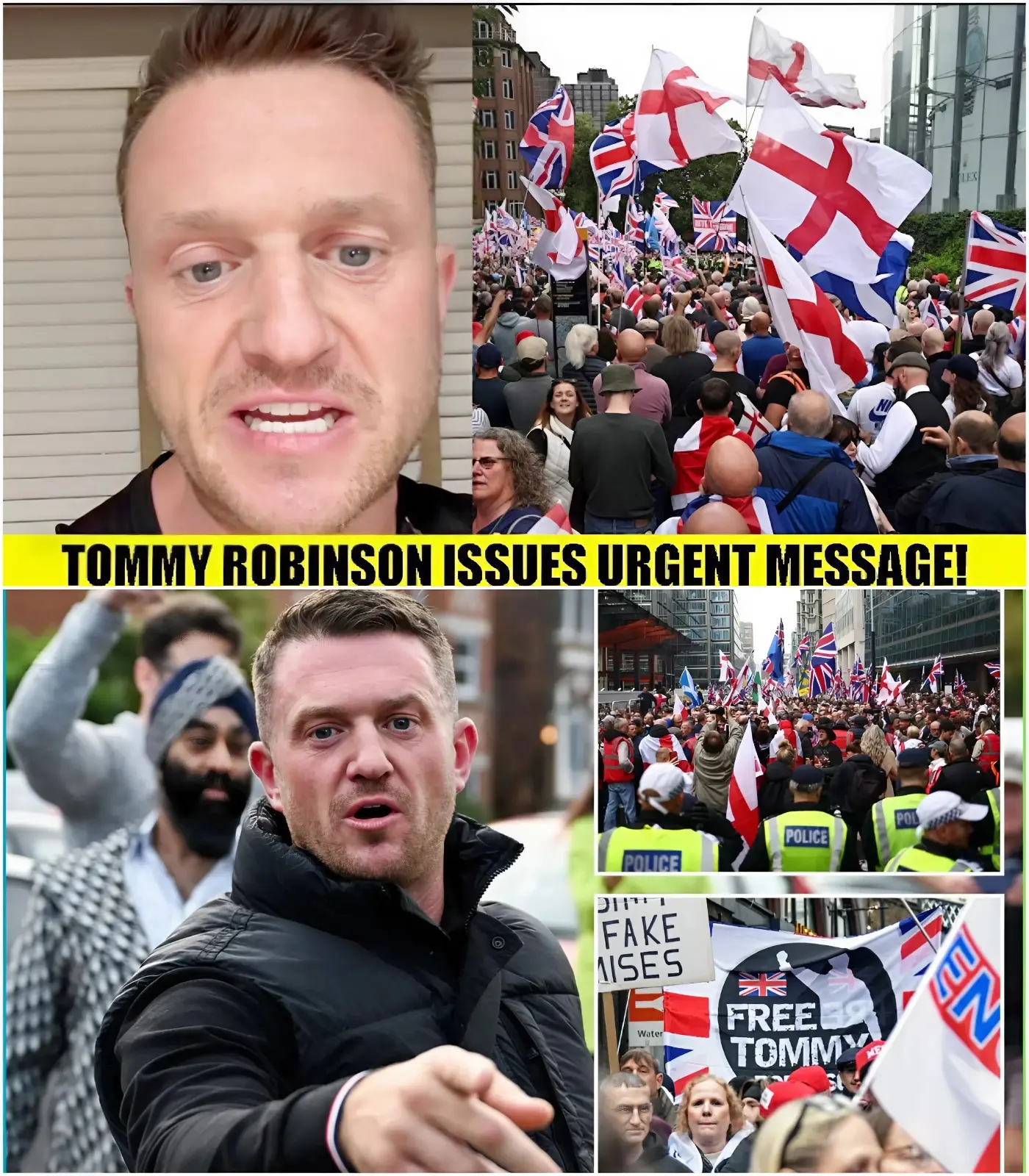
The rally has drawn support from a broad range of patriotic and anti-immigration voices, with Tommy Robinson emerging as one of its most prominent figureheads. In response to Starmer’s comments, Robinson released a direct video message to supporters, urging calm and discipline. “Let’s do our country proud tomorrow,” he said.
“Let’s keep disciplined, let’s keep under control.” Robinson instructed attendees to challenge anyone attempting to cover their faces or behave provocatively, framing the event not as a confrontational protest but as a “beautiful festival” and a “spectacular presentation for Britain.” He encouraged participants to conduct themselves as “proud Christian men” and to avoid rising to any perceived provocations from opponents or authorities.
Commentators sympathetic to the rally have interpreted Robinson’s appeal as a calculated strategy to deny the government and mainstream media any footage of violence that could be used to discredit the movement. Heavy policing is already in place, with thousands of officers deployed and strict measures to separate the event from other demonstrations, including a concurrent pro-Palestine march marking Nakba Day. The Metropolitan Police have described the operation as one of the most significant in recent memory, reflecting concerns about potential clashes in an already tense capital.
Opposition figures have been quick to accuse the government of applying double standards. Susan Hall, a member of the London Assembly from the Conservative side, publicly challenged Starmer’s position. She contrasted his swift and vocal criticism of flag-bearing “Unite the Kingdom” participants with what she described as relative silence over repeated pro-Palestine demonstrations that have included inflammatory rhetoric and, in some cases, made Jewish communities feel unsafe. Similar sentiments have been echoed by outlets like British Stand, which argue that authorities are quick to label patriotic expressions as thuggery while overlooking antisemitism and extremism in other protests.
The political temperature has risen further amid broader accusations of hypocrisy and gaslighting. Critics of the government contend that Starmer’s pre-emptive attack on the rally reveals discomfort with grassroots discontent over issues such as mass immigration, cultural change, and perceived failures in integration. Supporters of the event insist it represents ordinary British citizens who feel their concerns about national identity and community cohesion have been ignored by Westminster elites for too long.
To counter the “far-right” label repeatedly applied by ministers and sections of the media, rally organisers and attendees point to the diverse and everyday nature of previous similar gatherings. Veteran journalist Trevor Phillips, who observed an earlier “Unite the Kingdom” event in September, offered a notable counter-narrative. Phillips remarked that the most striking feature was “just how normal the vast majority of the marchers were.” He described the crowd as consisting of average citizens one might encounter in a country pub or at a football match, noting visible racial diversity and an overwhelmingly peaceful atmosphere.
Phillips warned that the ability of such events to draw large numbers should concern the political establishment, pointing to a profound disconnect between policymakers in Westminster and large segments of the public.
The shifting demographics of protest in Britain are evident in these gatherings. What was once dismissed as fringe activism now appears to attract families, working-class communities, and individuals from varied ethnic backgrounds who share worries about rapid demographic change, grooming scandals, and the erosion of traditional British values. Union flags, St George’s crosses, and Christian symbols have been prominent at previous events, projecting an image of cultural defence rather than aggression. Organisers hope Saturday’s rally will reinforce this narrative, presenting a positive vision of national unity grounded in shared heritage.
Yet the stakes are high. The government has warned that any violence or hate speech will be met with the full force of the law. Prosecutors have signalled readiness to pursue charges for antisemitic or racially inflammatory chanting. At the same time, free speech advocates argue that pre-emptive bans on speakers and blanket condemnations risk stifling legitimate democratic expression. The rally comes at a sensitive moment for Starmer’s administration, which faces criticism over economic pressures, immigration statistics, and public trust in institutions.
As London prepares for what promises to be a heavily scrutinised day, the eyes of the nation—and indeed international observers—are fixed on the capital. Will the event unfold as a disciplined display of public sentiment, or will isolated incidents allow critics to paint it as the dangerous extremism Starmer has warned against? Tommy Robinson and his allies insist the former; the Prime Minister and his supporters fear the latter. The outcome will likely fuel ongoing debates about the state of British democracy, the limits of protest, and the future of national identity in an increasingly polarised country.