**Chaos erupted at the White House Correspondents’ Dinner on Saturday night as President Trump and several cabinet members were abruptly rushed out of the ballroom amid reports of gunfire.**
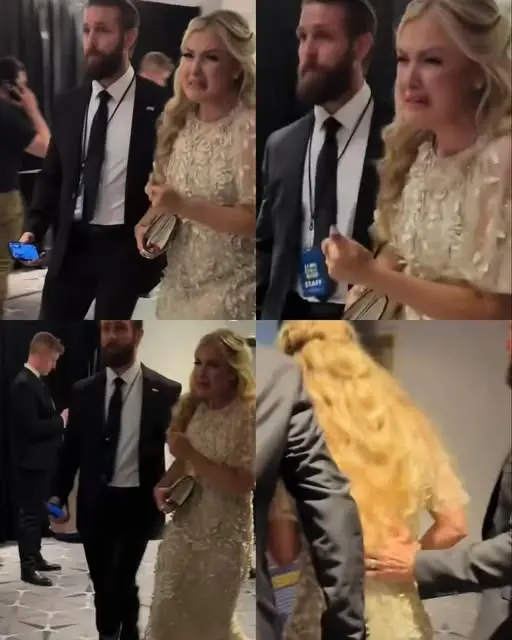
According to multiple sources, shots were fired inside the prestigious annual event, forcing attendees to dive under tables while the venue was placed under immediate lockdown. The incident sent shockwaves through Washington’s political and media elite, transforming what is traditionally a night of speeches, humor, and networking into a scene of terror and confusion.
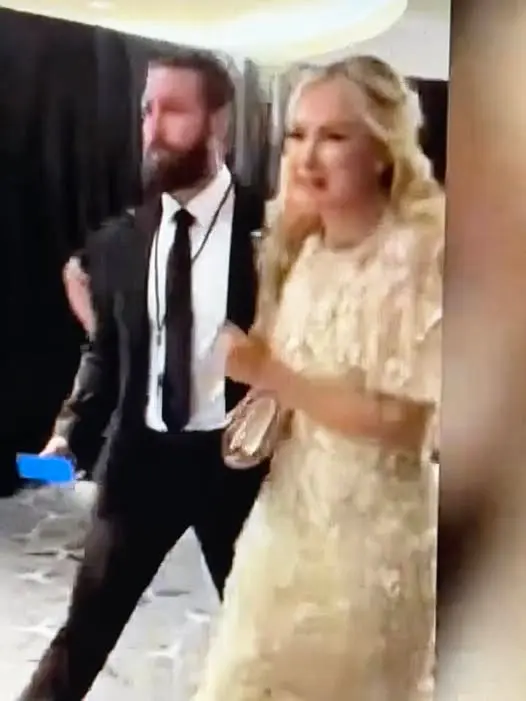
CNN and other outlets quickly reported that the shooter, referred to in initial dispatches as “CZShooter,” had been killed during the confrontation. Secret Service agents moved swiftly to protect the President and his team, escorting them to safety as panic spread through the ballroom. Attendees described the moments as terrifying, with people hiding and the sound of security personnel shouting commands echoing across the room. President Trump and members of his cabinet are confirmed to be safe, though the event’s abrupt end left many shaken.
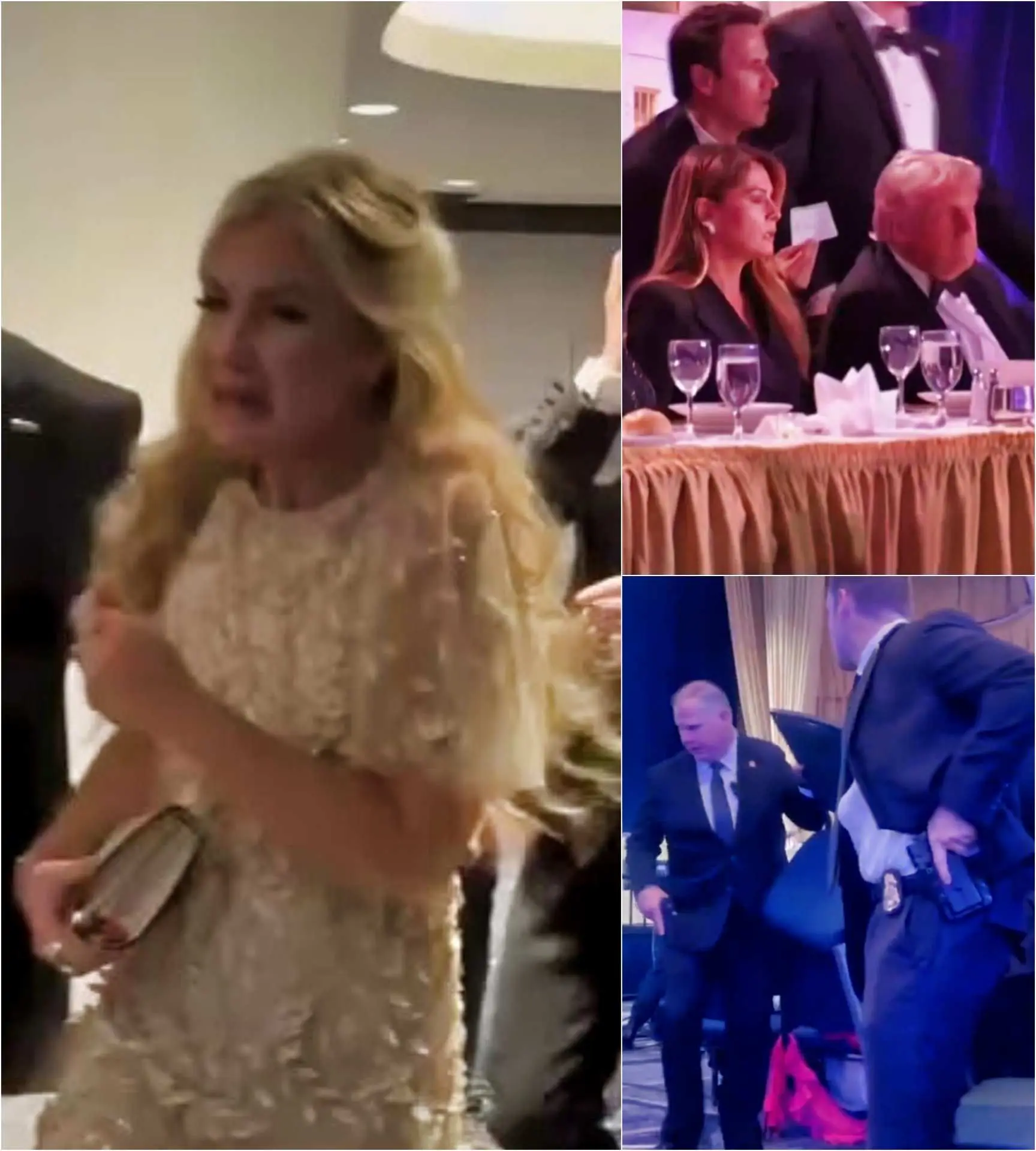
The White House Correspondents’ Dinner, long a staple of the Washington social calendar, brings together journalists, politicians, celebrities, and administration officials for an evening that blends light-hearted roasts with serious networking. This year’s gathering, held at the Washington Hilton, was no exception until the sudden security breach. Video footage circulating from inside the ballroom captured the chaos: elegant tables overturned, guests crouching in fear, and rapid movement by law enforcement as they secured the area.
Details about how the shooter gained access to the high-profile event remain unclear. The Washington Hilton has hosted the dinner for decades and is equipped with extensive security protocols, especially when the sitting president is in attendance. Investigators are now working to determine whether there was a failure in screening procedures or if the individual exploited a vulnerability in the perimeter. This marks yet another serious security incident involving President Trump in recent months, raising fresh questions about the safety of public political events in an increasingly polarized climate.
Eyewitnesses inside the ballroom recounted the sudden disruption. One journalist present described hearing sharp cracks that sounded like gunfire, followed by immediate screams and the rush of security details. “People were diving under tables. It was pure pandemonium,” the attendee said. The Secret Service’s rapid response appears to have prevented any harm to the President or high-ranking officials. Trump was reportedly moved to a secure location within minutes, while the rest of the room remained locked down until authorities confirmed the threat was neutralized.
The fact that the shooter was reportedly killed on site suggests a swift and decisive action by law enforcement. However, as of the latest updates, full details about the individual’s identity, motive, and background have not been publicly released. Speculation is already swirling on social media, with many drawing connections to rising political tensions and the intense scrutiny faced by both the administration and the press corps.
This incident comes at a time when the relationship between the media and the White House remains complex. The Correspondents’ Dinner has often been criticized as an example of the cozy ties between journalists and the powerful figures they cover. Tonight’s events, however, overshadowed any comedic monologues or policy discussions that might have taken place. Instead of laughter and applause, the night ended with fear and uncertainty.
Broader implications are already emerging. Security experts are likely to review protocols for large-scale events involving the President, especially those that mix public figures with large crowds of media and guests. The dinner has historically been a symbol of press freedom and democratic norms, but a violent intrusion like this could lead to stricter measures that alter its character in future years.
For President Trump, who has survived multiple assassination attempts and security threats in the past, this latest scare reinforces the constant risks associated with his role. His administration has emphasized strong law-and-order policies, and this event may fuel further discussions about domestic security, mental health, and the protection of public officials.
The media community, which organizes the annual dinner through the White House Correspondents’ Association, now faces its own reckoning. Many journalists in attendance found themselves not just covering the news but living through a major breaking story. The images and videos emerging from the ballroom will likely dominate headlines for days to come.
As authorities continue their investigation, more information is expected to surface regarding the shooter’s path into the event and any possible accomplices. For now, Washington remains on edge. The quick resolution— with the shooter reportedly eliminated—prevented what could have been a far greater tragedy, but the psychological impact on those present will linger.
This developing story highlights the fragile line between public celebration of democracy and the very real threats that can emerge in such settings. The White House Correspondents’ Dinner, meant to honor the press and provide a moment of levity, instead became a stark reminder of the security challenges facing the nation’s leaders.
As more details emerge, the public will seek answers about how such an incident could unfold at one of Washington’s most closely guarded social events. The coming hours and days will bring further updates on the investigation, the identity of the shooter, and any long-term changes to event security. For now, relief that President Trump and others emerged unharmed is tempered by the sobering reality of how quickly a celebratory evening turned dangerous.