
As anticipation builds across Paris, the upcoming residency by Celine Dion is already being discussed as more than a musical event, with analysts examining its potential economic ripple effects throughout the city and beyond.
Although the first performance has yet to take place, hotels, restaurants, and retail outlets are preparing for a surge in activity. Advance bookings and increased inquiries suggest that demand is rising steadily as fans plan their visits.
According to early projections, the series of sixteen shows could attract more than half a million attendees. Such numbers would place the event among the largest entertainment gatherings hosted in the city in recent years.
Economists have begun estimating the possible financial impact, with figures ranging from 300 to 500 million euros in direct and indirect revenue. These estimates include ticket sales, accommodation, dining, transportation, and related spending.
Some experts believe the broader economic effect could surpass one billion euros when factoring in long-term exposure, international tourism, and secondary business opportunities generated by the increased visibility of the city.
Comparisons have been drawn with previous large-scale tours, particularly those of Taylor Swift and BTS, whose events significantly boosted local economies in host cities worldwide.
.jpg)
These past examples have led analysts to consider whether a similar pattern might emerge in Paris. Large fan bases, combined with extended performance schedules, often create sustained economic activity rather than short-term spikes.
Local businesses are already adapting to the expected influx of visitors. Many restaurants are extending operating hours, while retailers are preparing special promotions aimed at international guests arriving for the concerts.
The hospitality sector, in particular, stands to benefit. Hotels across different price ranges have reported increased reservations, suggesting that attendees are planning multi-day stays rather than brief visits centered solely on the performances.
Transportation services are also preparing for higher demand. Airports, train stations, and local transit networks are expected to experience increased usage as visitors travel to and within the city during the event period.
City officials have expressed cautious optimism about the potential benefits. While welcoming the economic boost, they are also focusing on ensuring that infrastructure and services can accommodate the increased activity efficiently.
Cultural experts note that events of this scale can enhance a city’s global image. Hosting a major residency by a renowned artist reinforces Paris’s position as a leading destination for both tourism and international entertainment.

At the same time, discussions have emerged regarding the balance between commercial success and cultural authenticity. Some observers emphasize the importance of maintaining the city’s unique character amid large-scale commercial events.
The anticipation surrounding the concerts has extended beyond traditional music audiences. Even those not planning to attend are aware of the potential impact, reflecting the widespread interest generated by the announcement.
Media coverage has played a significant role in amplifying expectations. Reports highlighting projected revenues and visitor numbers have contributed to a sense of momentum building ahead of the first performance.
Economists, however, caution that projections remain estimates. Actual outcomes will depend on various factors, including attendance rates, spending patterns, and external conditions that may influence travel and consumer behavior.
Despite these uncertainties, the general outlook remains positive. Large entertainment events have historically provided meaningful contributions to local economies, particularly when supported by strong international interest.
The concept of concerts as economic drivers is not new, but its scale has evolved significantly in recent years. Extended residencies and global fan engagement have transformed performances into multi-dimensional events with wide-reaching effects.
For Paris, this development represents both an opportunity and a challenge. Maximizing benefits while managing logistical demands requires careful coordination among public and private stakeholders.
Fans traveling from abroad often seek a comprehensive experience, combining concerts with sightseeing, dining, and shopping. This integrated approach contributes to the overall economic impact associated with such events.
Retail sectors, including luxury boutiques and souvenir shops, are preparing for increased foot traffic. Special collections and themed merchandise are expected to attract visitors looking to commemorate their experience.
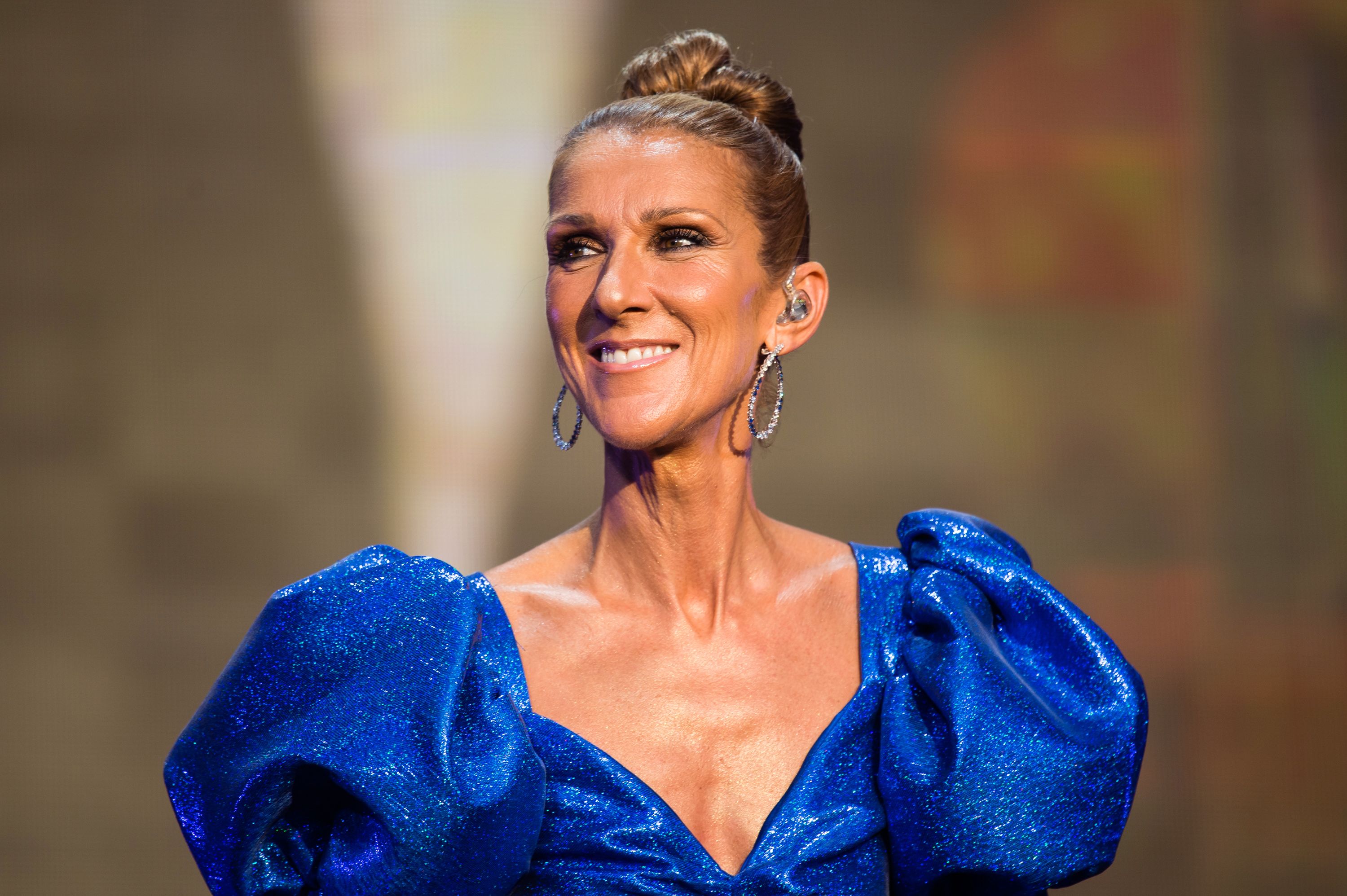
Meanwhile, the local workforce may also see temporary opportunities. Increased demand for services can lead to additional employment in hospitality, retail, and event management during the residency period.
Environmental considerations have also entered the conversation. Managing large crowds responsibly involves addressing sustainability concerns, including transportation emissions and resource usage associated with major events.
Organizers and city planners are exploring ways to mitigate these effects, aiming to balance economic benefits with environmental responsibility. Such efforts reflect broader trends in the management of large-scale public gatherings.
The question remains whether this residency will redefine expectations for future events. If projections are met or exceeded, it could influence how cities approach partnerships with global artists moving forward.
For Celine Dion, the performances represent a return to a major European stage, adding another chapter to a career that has consistently drawn international audiences and critical recognition.
Her presence alone is a significant factor in driving interest. Combined with the scale of the residency, it creates conditions that are likely to attract attention from both fans and industry observers.
As the opening night approaches, anticipation continues to build. Businesses, officials, and audiences alike are preparing for an event that promises to blend music, tourism, and economic activity in a unique way.
Ultimately, whether the residency reaches the highest projections or not, it highlights the growing intersection between entertainment and economic development in global cities.
In the weeks ahead, the results will become clearer. For now, the conversation itself underscores the importance of major cultural events as catalysts for both economic opportunity and community engagement in Paris.