Australia’s political debate has recently focused on immigration policy as opinion polls show increased attention toward the platform of One Nation. The party’s position on migration levels and national identity has generated discussion among voters, analysts, and policymakers ahead of future elections.
At the center of the conversation is Pauline Hanson, who has long advocated for stricter immigration controls. Her proposals include reducing migrant intake and introducing stronger requirements related to integration, security screening, and understanding of Australian civic values.
Recent surveys indicate that One Nation’s support has grown compared with previous years. Polling figures suggest the party is attracting attention from voters who feel strongly about issues such as population growth, housing costs, and pressure on public infrastructure.
Political analysts caution that polling trends fluctuate, but they also note that immigration debates have become more prominent in the national conversation. Rising living costs and housing shortages have amplified public interest in policies related to population growth.
Supporters of Hanson’s approach say her proposals respond to concerns that migration levels may be increasing faster than infrastructure development. They argue that reducing intake temporarily could allow housing construction and public services to catch up with population growth.
Critics, however, emphasize that immigration has historically played an important role in Australia’s economic development. Skilled migration programs have helped address workforce shortages and contributed to innovation in sectors such as healthcare, technology, and engineering.
The current debate reflects broader tensions between economic expansion and social planning. Governments must consider both the benefits of migration and the challenges associated with maintaining adequate housing supply and transportation networks.
Housing affordability remains a key issue shaping voter sentiment. In many Australian cities, rising property prices and rental costs have made it difficult for younger households to enter the housing market.
Some supporters of stricter immigration policies believe slowing population growth could reduce pressure on housing demand. Others argue that supply shortages and planning restrictions are the primary drivers of rising prices.
Economists often stress that multiple factors influence housing markets, including construction costs, land availability, and interest rates. Migration can affect demand, but it operates alongside broader economic forces.
Hanson’s proposals also include stronger cultural and civic integration expectations for new arrivals. She has argued that migrants should demonstrate familiarity with Australian laws, customs, and democratic values as part of the settlement process.
Advocates of multiculturalism caution that debates about cultural requirements should be approached carefully. Australia’s diverse society has long been considered one of its defining strengths, shaped by successive waves of migration from around the world.
Community organizations encourage balanced discussions about integration and social cohesion. They note that successful integration policies often combine language education, employment support, and community engagement programs.
Political commentators observe that immigration debates often intensify during periods of economic uncertainty. When housing costs rise or infrastructure becomes strained, public attention frequently turns to population policies.
Support for Hanson’s message appears connected to these broader anxieties. Surveys suggest some voters feel that mainstream parties have not sufficiently addressed the relationship between population growth and living costs.
At the same time, opponents argue that strong rhetoric about immigration can risk deepening divisions if not framed carefully. They emphasize the importance of discussing policy challenges without attributing broader societal problems to particular communities.
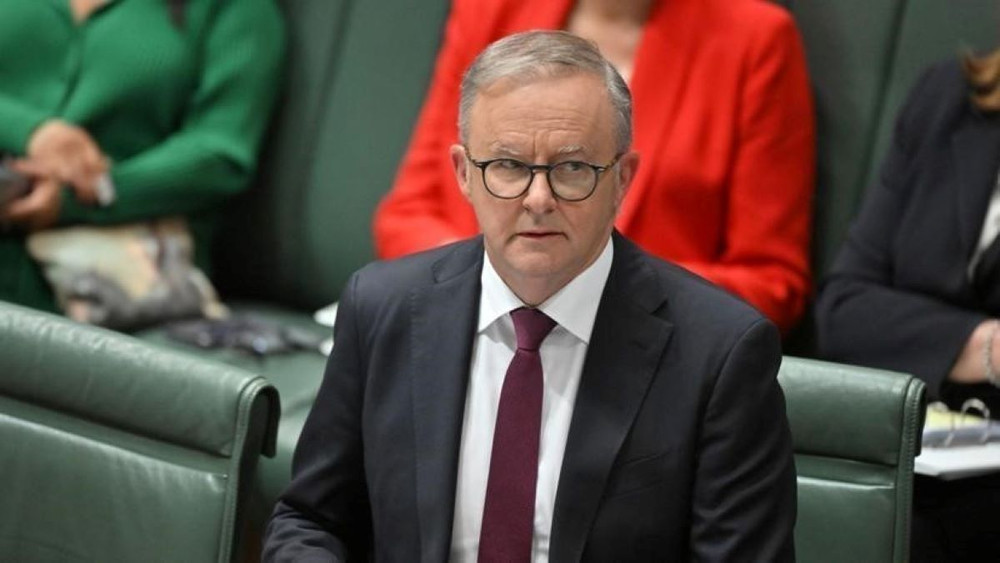
Government leaders have responded by highlighting ongoing housing and infrastructure initiatives. Policymakers say new construction programs, transport investments, and planning reforms are intended to support population growth more effectively.
Migration experts note that Australia’s visa system already includes multiple screening stages for security and skills assessment. Any proposal to change requirements would need to be integrated carefully into existing legal and administrative frameworks.
The discussion has also raised questions about labor shortages in certain industries. Sectors such as agriculture, healthcare, and information technology often depend on international workers to maintain productivity.
Business groups therefore caution that large reductions in migration could affect economic growth if not balanced with workforce planning. They emphasize the need to consider labor market realities when designing immigration policy.
Despite these concerns, the rising prominence of immigration in polling data suggests that the issue resonates strongly with segments of the electorate. Political parties across the spectrum are increasingly addressing the topic in speeches and policy announcements.
Analysts believe that the upcoming election cycle may feature extensive discussion about population management and infrastructure planning. Immigration policy is likely to intersect with debates about housing affordability, employment opportunities, and national identity.
Public opinion remains diverse. Some Australians favor stricter controls, while others support maintaining current migration levels to sustain economic growth and cultural diversity.
Political strategists note that voter priorities often shift as economic conditions change. Issues such as interest rates, wage growth, and housing availability can significantly influence how immigration policies are perceived.
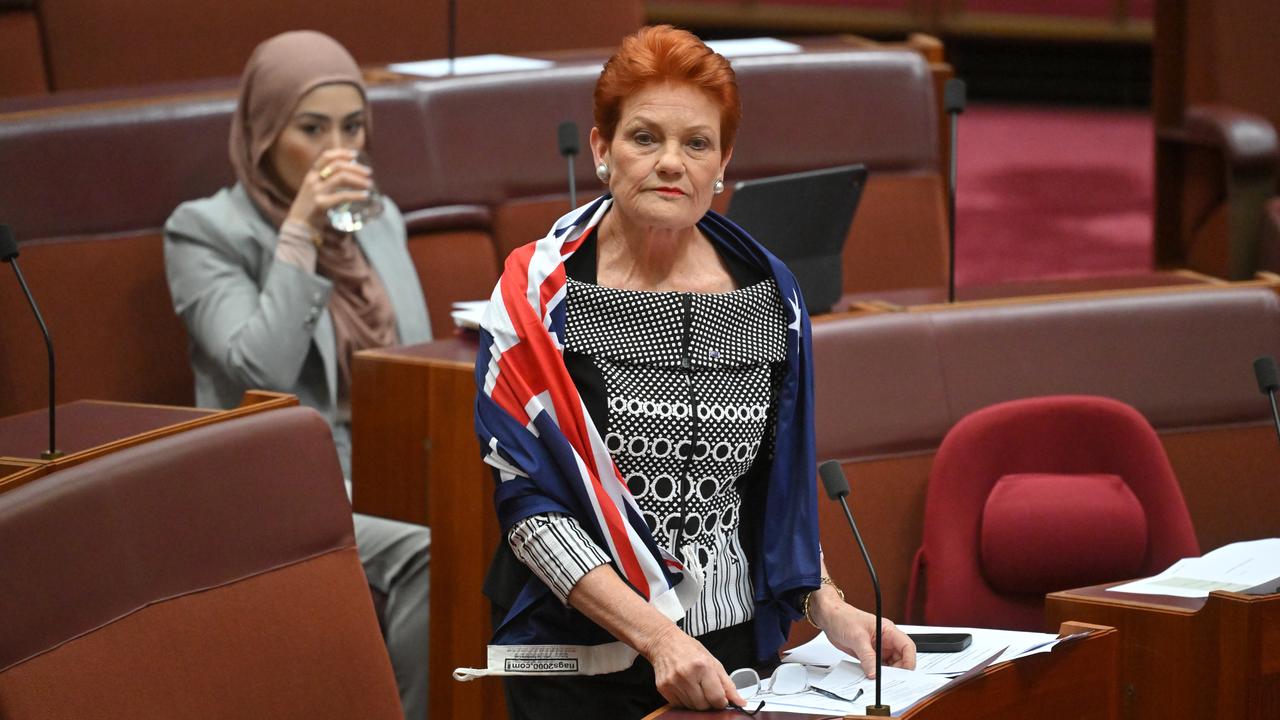
Hanson continues to argue that her proposals aim to ensure sustainable development and protect living standards. She believes that adjusting migration levels could help governments manage infrastructure expansion more effectively.
Opponents maintain that Australia’s success has historically been linked to openness and international engagement. They stress that migration contributes not only economically but also culturally and socially.
Scholars studying population policy suggest that balanced approaches often combine moderate migration targets with long term investment in housing and infrastructure. Such strategies aim to accommodate growth while minimizing strain on services.
The broader debate highlights how interconnected policy issues have become. Immigration, housing supply, employment markets, and urban planning all influence one another in shaping national outcomes.
As polling discussions continue, political leaders are likely to refine their positions in response to public feedback. Whether support for One Nation remains strong will depend on how effectively competing parties address the concerns raised by voters.
Ultimately, the conversation reflects a larger national question about how Australia plans for future growth. Balancing economic opportunity, social cohesion, and sustainable infrastructure will remain central challenges in the years ahead.