Anger and disbelief swept across parts of Britain this week after Prime Minister Keir Starmer welcomed Syrian President Ahmed al-Sharaa to 10 Downing Street. The meeting, which took place on March 31, 2026, has triggered fierce criticism from ordinary citizens, particularly groups of working-class British men who style themselves as “British lads.” Many view the reception of the former jihadist leader as a profound betrayal of national security and a dangerous signal about the government’s priorities.
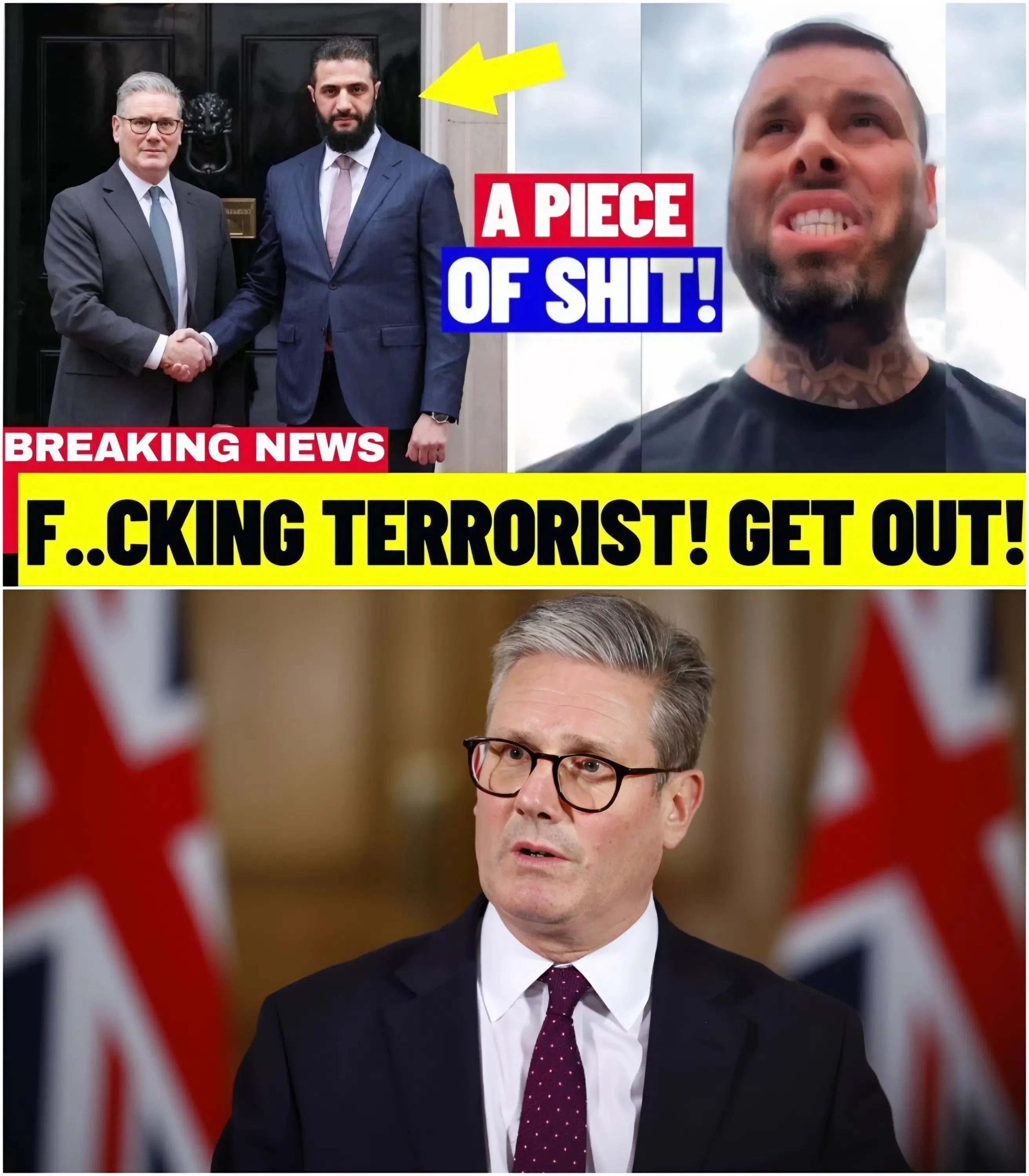
Ahmed al-Sharaa, previously known as Abu Mohammad al-Julani, rose through the ranks of Islamist militant groups in the region. He once served as a high-ranking figure in al-Qaeda in Iraq under the notorious Abu Musab al-Zarqawi and held a senior position in networks linked to operations that targeted British and American forces. His past includes associations with groups that evolved into or fought alongside elements that became ISIS. Although al-Sharaa later distanced himself from those roots and led Hayat Tahrir al-Sham (HTS), which helped overthrow Bashar al-Assad, many in Britain remain deeply skeptical of his transformation.
The UK had previously designated HTS as a terrorist organization before lifting that status relatively recently.
During the high-profile visit, Starmer hosted al-Sharaa for talks that reportedly covered regional stability, counter-terrorism cooperation, economic issues, and even the possibility of reopening diplomatic channels, including discussions around an embassy in London. Starmer’s office emphasized welcome progress by the new Syrian administration against ISIS remnants and steps toward broader UK-Syria collaboration. Yet the optics of shaking hands with a man who once carried a significant U.S. bounty and whose fighters were involved in brutal conflicts struck a raw nerve with large sections of the British public.
Social media erupted almost immediately. Videos and images of the meeting circulated widely, showing Starmer greeting al-Sharaa warmly at the famous black door of Number 10. Commentators and ordinary citizens alike questioned how a figure with such a history could be invited into the heart of British government while thousands of British families still carry the scars of Islamist terrorism on home soil and abroad. Some pointed out that British troops had lost lives fighting against the very networks al-Sharaa was once part of. The contrast between official diplomatic language and public memory proved stark.
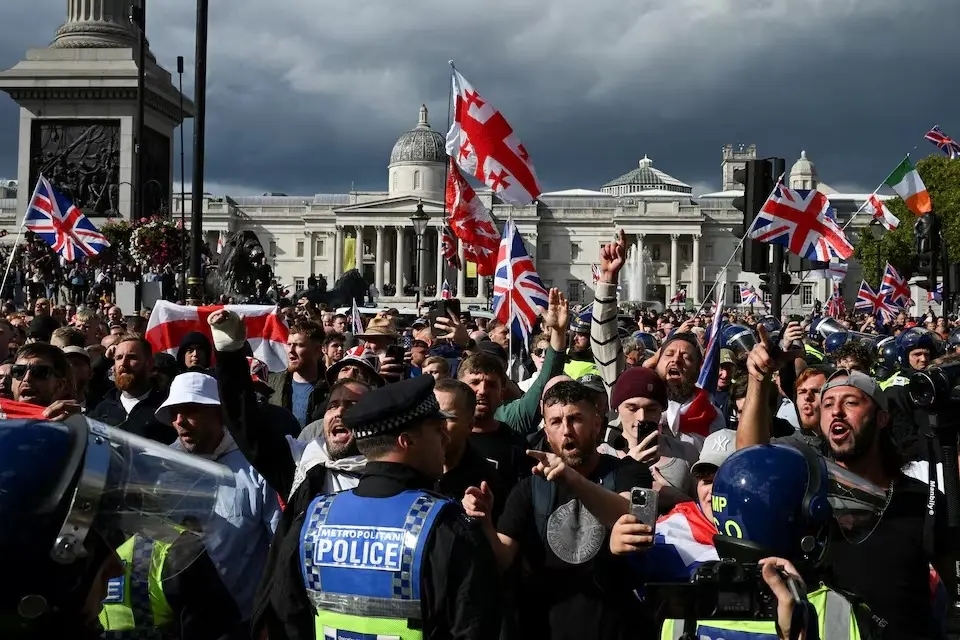
Particularly vocal were groups of “British lads” – young and middle-aged working-class men who have grown increasingly frustrated with what they see as lenient immigration policies, soft approaches to national security, and a perceived disconnect between elite decision-makers and everyday citizens. In online forums, videos, and public statements, these voices issued direct warnings to Starmer and his Labour government. They accused the Prime Minister of prioritizing international optics over the safety of British streets and soldiers.
Some messages carried a tone of ultimatum: continued disregard for public concerns on these matters could lead to serious political consequences at the ballot box or even wider unrest.
The controversy gained extra fuel from a separate but related domestic tragedy that surfaced around the same time. Two Afghan asylum seekers, who had arrived in the UK relatively recently, were sentenced for the brutal rape of a 15-year-old British girl in a wooded area. The victim reportedly screamed for help during the assault, and her mother later described the devastating long-term impact, including severe anxiety that has upended the family’s life. Cases like this, critics argue, highlight serious failures in the vetting and monitoring of asylum claims.
Former Prime Minister Liz Truss weighed in forcefully, stating that such horrific crimes are becoming all too common and calling for a complete halt to migration from Afghanistan until proper safeguards are in place.
Public sentiment appears deeply divided. On one side, outrage focuses on the apparent inability or unwillingness of authorities to protect vulnerable citizens from individuals who may pose risks. Community members in neighborhoods that have seen rapid demographic changes have begun organizing informal patrols, expressing a sense of abandonment by official institutions. On the other side, refugee advocates warn against painting all asylum seekers with the same brush, arguing that blanket measures could harm genuine victims fleeing persecution and undermine Britain’s humanitarian traditions.
The intersection of the Downing Street meeting and these domestic incidents has amplified calls for a fundamental rethink of UK immigration and security policy. Critics charge that the government is sending mixed messages: rolling out the red carpet for a former militant leader while struggling to manage risks from uncontrolled or poorly vetted inflows. Questions abound about how someone with al-Sharaa’s background cleared security protocols for entry into the UK, let alone access to the Prime Minister.
Some observers note the irony of discussions on “counter-terrorism cooperation” taking place with a man whose past is steeped in the very ideology Britain has spent decades fighting.
Supporters of the meeting defend it as pragmatic realpolitik. Syria has undergone dramatic change following the fall of Assad, and engaging with the new leadership could help stabilize the region, combat remaining ISIS threats, and address migration pressures at source. They point out that al-Sharaa has positioned himself as an opponent of ISIS in recent years and that diplomatic engagement is standard practice even with imperfect partners. Starmer’s team stressed the importance of reopening the Strait of Hormuz and restoring freedom of navigation amid regional tensions.
Nevertheless, the backlash from “British lads” and broader conservative voices shows no sign of fading quickly. Memes, videos, and fiery commentary portray the event as emblematic of a deeper rot: an establishment more concerned with appearing progressive on the world stage than safeguarding its own people. Warnings directed at Starmer range from electoral defeat to stronger language suggesting that patience with such policies is wearing dangerously thin. Hashtags and trending topics on platforms have kept the story alive, with many users demanding accountability and a shift toward policies that put British citizens first.
This episode highlights the growing tension in contemporary Britain between elite diplomatic calculations and grassroots concerns about sovereignty, security, and cultural cohesion. Working-class communities, in particular, feel that their lived experiences of crime, strained public services, and changing neighborhoods are being dismissed in favor of globalist gestures. The “lads” issuing warnings represent a vocal slice of a wider public frustration that has been building for years.
As the dust settles on al-Sharaa’s London visit, the UK government finds itself under renewed pressure. Questions linger about the balance between humanitarian obligations, international diplomacy, and the fundamental duty to protect citizens at home. Whether this confrontation leads to policy adjustments or further polarization remains to be seen. What is clear, however, is that significant sections of British society are no longer willing to stay silent when they perceive their leaders rolling out the welcome mat for figures from the very shadows the country once fought to contain.
The coming weeks and months will test whether Keir Starmer’s administration can address these simmering grievances or whether the warnings from the streets will translate into tangible political pushback. In an era where trust in institutions is already fragile, moments like the Downing Street handshake with a controversial Syrian leader risk widening the gulf between rulers and the ruled.