🚨💥SHOCKING NEWS FROM THE US IN A LARGE-SCALE FEDERAL CRIME CAMPAIGN💥🚨

In a sweeping demonstration of federal resolve against transnational organized crime, a coordinated multi-agency operation led by the Drug Enforcement Administration (DEA) and supported by the Department of Homeland Security (DHS) has struck a major blow to the operations of the Jalisco New Generation Cartel (CJNG) within the United States. The operation, which unfolded in late September 2025, targeted the cartel’s extensive networks and resulted in 670 arrests across multiple locations nationwide.
Authorities describe it as one of the most significant actions against the CJNG, a group designated as a foreign terrorist organization and known for its extreme violence, sophisticated drug manufacturing, and far-reaching distribution channels.
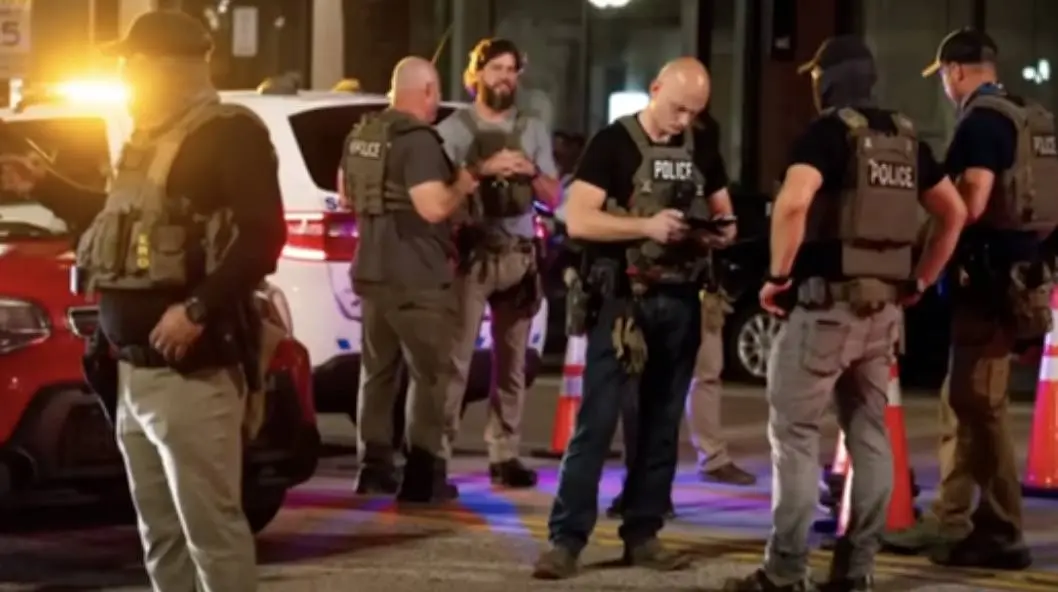
The week-long surge, running from September 22 to September 26, 2025, involved DEA agents from 23 domestic field divisions and seven foreign regions working in unison. This collaborative effort dismantled key elements of the CJNG’s supply chain, intercepting massive quantities of illicit substances before they could reach American streets. Seizures included 92.4 kilograms of fentanyl powder—enough to cause millions of overdoses—along with 1,157,672 counterfeit pills pressed to mimic prescription opioids, 6,062 kilograms of methamphetamine, 22,842 kilograms of cocaine, and 33 kilograms of heroin.
In addition, law enforcement confiscated more than $18 million in cash, 244 firearms, and other assets valued at nearly $30 million in total.
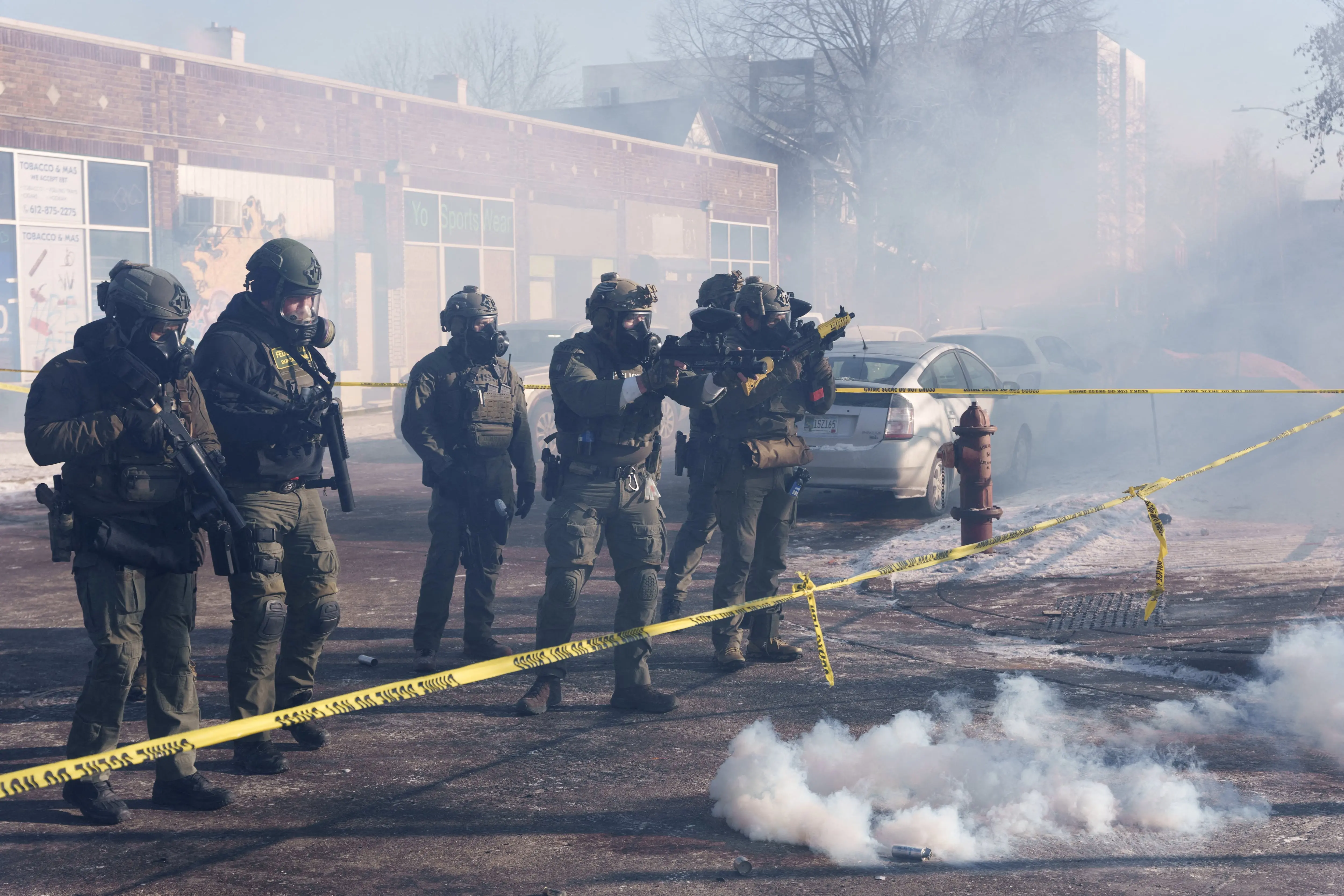
While the operation spanned the country, intense enforcement activity has been reported in the Midwest, including Minnesota, where federal raids uncovered hidden infrastructure used to move drugs, cash, and weapons. Investigators believe these networks operated through underground systems, including secret routes embedded within urban environments, safe houses concealed in residential areas, and sophisticated money transfer mechanisms. Encrypted communication devices played a central role in the cartel’s coordination, allowing operatives to evade detection for extended periods while building influence far from the Mexican border.
The CJNG, led by figures such as the elusive Nemesio Oseguera Cervantes (known as “El Mencho”), has aggressively expanded its footprint in the U.S. over recent years. The cartel is notorious for its production of high-purity fentanyl and methamphetamine in clandestine laboratories south of the border, then smuggling these substances through elaborate corridors. In the Midwest, particularly states like Minnesota, the group has linked up with local distributors to establish distribution points in cities, exploiting demand for synthetic opioids amid the ongoing overdose crisis.
Authorities note that CJNG-affiliated cells have quietly integrated into communities, using legitimate businesses as fronts and employing violence to maintain control over territories.
This recent campaign highlights how deeply entrenched such networks have become. Encrypted phones facilitated real-time directives from cartel leadership, while safe houses served as storage and repackaging sites. Money laundering operations funneled proceeds through complex financial channels, including cryptocurrency wallets and informal transfer lines. The discovery of these elements during the raids has stunned investigators, revealing a level of organization and reach that exceeds previous estimates. One official emphasized that the cartel’s ability to operate undetected in heartland cities underscores the evolving threat posed by Mexican cartels on American soil.
The 670 arrests represent individuals at various levels of the organization—from street-level dealers to higher-tier facilitators and alleged links to cartel command structures. Many face charges related to conspiracy to distribute controlled substances, money laundering, and firearms violations. The seizures of weapons caches point to the potential for armed confrontations, a hallmark of CJNG’s operations both in Mexico and abroad.
In Minnesota specifically, federal actions have intersected with broader enforcement priorities. While the national CJNG surge provided the framework, regional efforts have targeted related trafficking rings, including those sourcing from both CJNG and rival groups like the Sinaloa Cartel. Past investigations in the state have exposed Mexico-based conspiracies funneling hundreds of pounds of methamphetamine and fentanyl northward, with some operatives establishing direct ties in Jalisco, the cartel’s stronghold. These cases illustrate a pattern: cartels exploit transportation hubs and distribution networks in the Midwest to reach markets across the region.
Experts view this operation as a pivotal moment in the fight against cartel influence. The scale of the arrests and seizures demonstrates improved intelligence sharing and coordination among agencies, including the DEA, DHS components like Homeland Security Investigations (HSI), the FBI, and local partners. By targeting not just the product but the infrastructure—communications, finances, and logistics—authorities aim to disrupt the cartel’s long-term viability.
Yet questions linger about the full scope. Is this the largest gang-related crackdown in the American Midwest to date, or merely an opening salvo in a prolonged campaign? Ongoing investigations suggest additional phases may be underway, with federal teams continuing to pursue leads from the seized devices and documents. The CJNG’s adaptability—shifting routes, adjusting product potency, and recruiting new affiliates—means sustained pressure will be essential.
The human cost of the cartel’s activities remains stark. Fentanyl and methamphetamine have fueled record overdose deaths nationwide, with synthetic opioids driving much of the epidemic. By removing these quantities from circulation, the operation has potentially saved countless lives, though officials stress that the battle is far from over.
As details continue to emerge, this federal campaign serves as a stark reminder of the borderless nature of modern organized crime. The CJNG’s tentacles extend deep into U.S. cities, but aggressive, intelligence-driven enforcement is beginning to push back. For communities in Minnesota and beyond, the raids offer hope that hidden threats can be exposed and dismantled, one network at a time.