EXTREMELY SENSITIVE CONTENT – FOR ADULTS ONLY (18+):
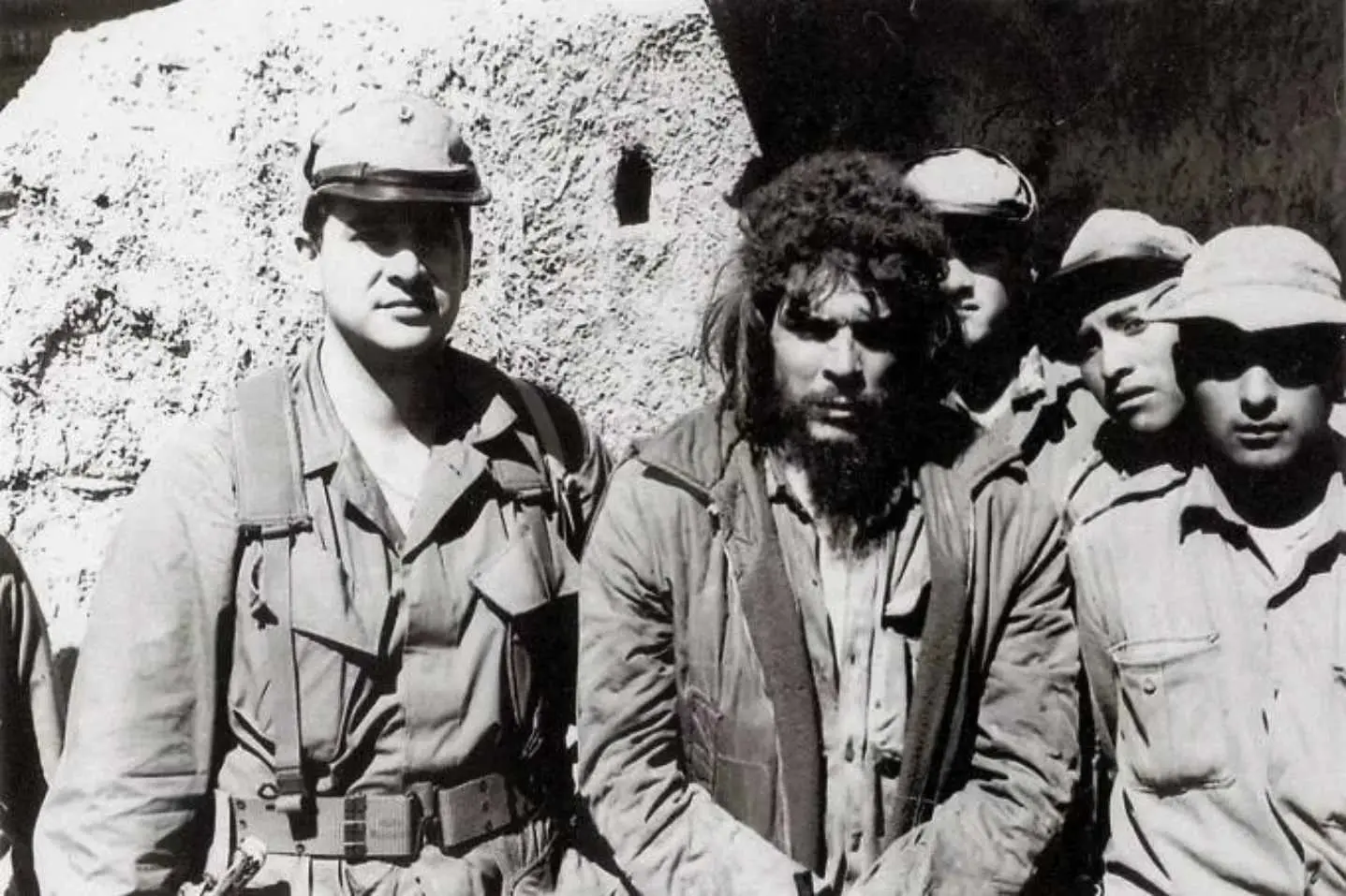
This article analyzes sensitive historical events related to political violence and executions during the Bolivian Campaign. The content is presented solely for educational purposes, to foster understanding of the past and encourage reflection on how societies can prevent similar injustices in the future.
It does not endorse or glorify any form of violence or extremism.
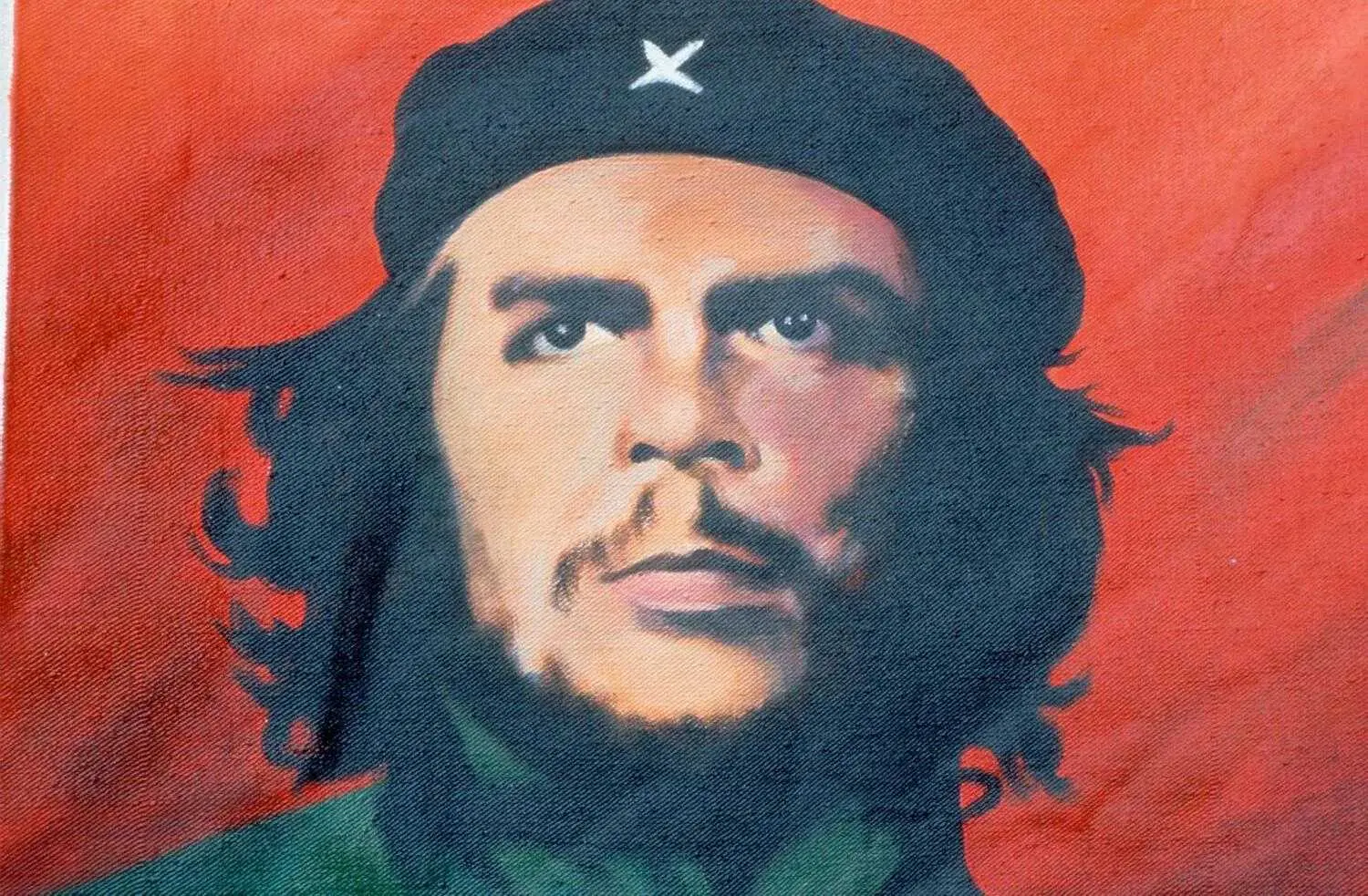
Ernesto “Che” Guevara (June 14, 1928 – October 9, 1967) was an Argentine Marxist revolutionary, physician, and guerrilla leader, whose iconic image symbolizes rebellion and anti-imperialism around the world.
A key figure in the Cuban Revolution alongside Fidel Castro, Guevara helped to overthrow Fulgencio Batista in 1959, holding high positions such as Minister of Industries before leaving in 1965 to export the revolution abroad.
Disillusioned by Cuba’s Soviet alignment after the Cuban Missile Crisis (1962), he renounced his citizenship and fought in the Congo and Bolivia to promote communist revolts.
In Bolivia, his 1967 campaign failed; captured on October 8 by Bolivian forces assisted by the CIA, he was executed the following day in La Higuera at the age of 39.
The “brutal” execution — ordered by Bolivian President René Barrientos despite the US recommendation to interrogate him — involved the nervous Sergeant Mario Terán firing multiple bursts (nine shots) to simulate war wounds, while Guevara shouted defiantly: “Shoot, coward! You’re only going to kill a man!”
With his hands severed for identification, his body was displayed before a secret burial; his remains were repatriated to Cuba in 1997. This botched assassination, amid debates about CIA involvement, martyred Guevara, amplifying his legend.
An objective analysis reveals the dangers of ideological warfare, the human cost of revolutions, and the ethics of execution, highlighting lessons on nonviolent activism and the dangers of foreign interventions.
Ernesto Guevara de la Serna was born in Rosario, Argentina, into a middle-class family of Spanish-Irish descent. Suffering from asthma, he studied medicine at the University of Buenos Aires, graduating in 1953.
His travels through Latin America, detailed in “The Motorcycle Diaries”, exposed him to poverty and inequality, radicalizing his Marxist ideas against US imperialism.
In 1954, Guevara witnessed the CIA-backed overthrow of Jacobo Árbenz in Guatemala, which solidified his anti-capitalist stance. Fleeing to Mexico, he met Fidel Castro in 1955 and joined the 26th of July Movement.
As a guerrilla fighter in the Cuban Sierra Maestra since 1956, Guevara’s tactical brilliance and medical skills earned him the rank of commander.
The victory of 1959 made him a hero; he oversaw agrarian reforms, nationalized industries, and executed Batista loyalists at La Cabaña fortress (estimated to be between 200 and 700).
After the revolution, Guevara held key roles: President of the National Bank (signing banknotes as “Che”), Minister of Industries (1961–1965), promoting voluntary work and criticizing the Soviet bureaucracy.
The Cuban Missile Crisis of 1962 disillusioned him—Cuba as a Soviet pawn—leading to his farewell letter of 1965 resigning his posts and citizenship to fight globally.
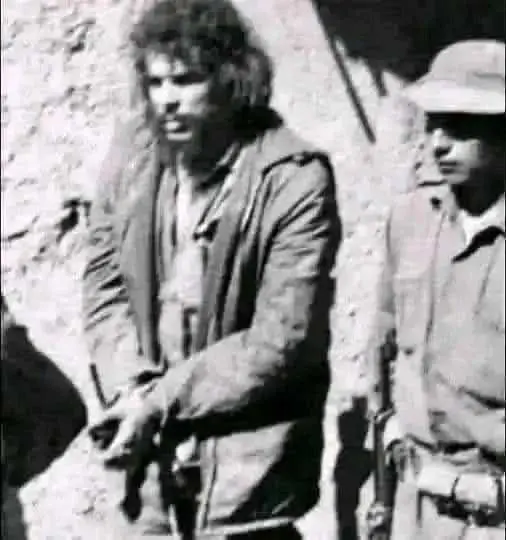
After a failed stay in the Congo (1965), Guevara arrived in Bolivia in November 1966, in disguise, to lead the Ñancahuazú Guerrilla. With about 50 fighters, his objective was to start a peasant revolution, but they faced isolation, betrayals, and no local support.
Bolivian forces, trained by U.S. Green Berets and advised by CIA agent Félix Rodríguez, hunted them down. On October 8, 1967, in the Quebrada del Yuro gorge, Guevara was wounded and captured after his rifle jammed.
Arrested at a school in La Higuera, he was interrogated by Rodríguez, who requested orders via radio. Despite suggestions from the United States to bring him out for questioning, Barrientos ordered his execution to avoid the risk of a trial. Terán, chosen by lottery and visibly nervous, entered at 1:10 pm.
On October 9, Guevara allegedly said, “I know you’ve come to kill me.” Shoot, you’re only going to kill a man. Terán fired bursts into his limbs first (to mimic combat), then fatally into his chest—nine shots in total.
Hands amputated for fingerprinting, body displayed at Vallegrande hospital, then secretly buried. In 1997, the remains were found and reburied in Santa Clara, Cuba, with honors.
This “failed” aspect—Terán’s hesitation and the multiple shots—contrasted with Guevara’s defiant stoicism, cementing his martyrdom.
The brutal execution of Che Guevara—captured wounded, then shot multiple times by a nervous soldier—brought an end to the life of a revolutionary icon whose global struggles against imperialism inspired generations, but met a violent end in Bolivia.
Her defiant words amidst CIA-backed forces amplified her legend as a symbol of resistance. Upon objective reflection, we confront how ideals clash with reality, reinforcing the value of peaceful change over armed struggle.
Canonized in culture—from posters to songs—Guevara’s story urges addressing the roots of inequality democratically, ensuring that societies prevent cycles of violence that claim both visionaries and innocents.
Sources
National Security Archive: “The Death of Che Guevara: Declassified U.S. Documents”
Zinn Educational Project: “October 9, 1967: Che Guevara executed”
U.S. State Department: “Historical Documents on the Death of Che Guevara”
Wikipedia: “Che Guevara” History.com: “Che Guevara is executed”
Reddit r/socialism: “On this day in 1967, Che Guevara was executed”
CheGuevara.org: “The Death of Che Guevara”
YouTube: “Execution of Marxist revolutionary icon Ernesto ‘Che’ Guevara”
The New Republic: “The Death of Che Guevara” Additional historical references from academic sources on Che Guevara.