A Reality Show Controversy Turns Into a Legal StormWhat began as a high-profile return to reality television for former heavyweight boxing champion David Haye has now escalated into a potentially explosive legal dispute with ITV. The ex-boxer is preparing to take legal action against the broadcaster, claiming that his portrayal on the All Stars edition of I’m a Celebrity…
Get Me Out of Here! caused significant and lasting damage to his public image and professional reputation. According to sources, Haye has instructed legal representatives to pursue a claim that could reach up to £10 million, framing the issue as far more than a simple disagreement over television production.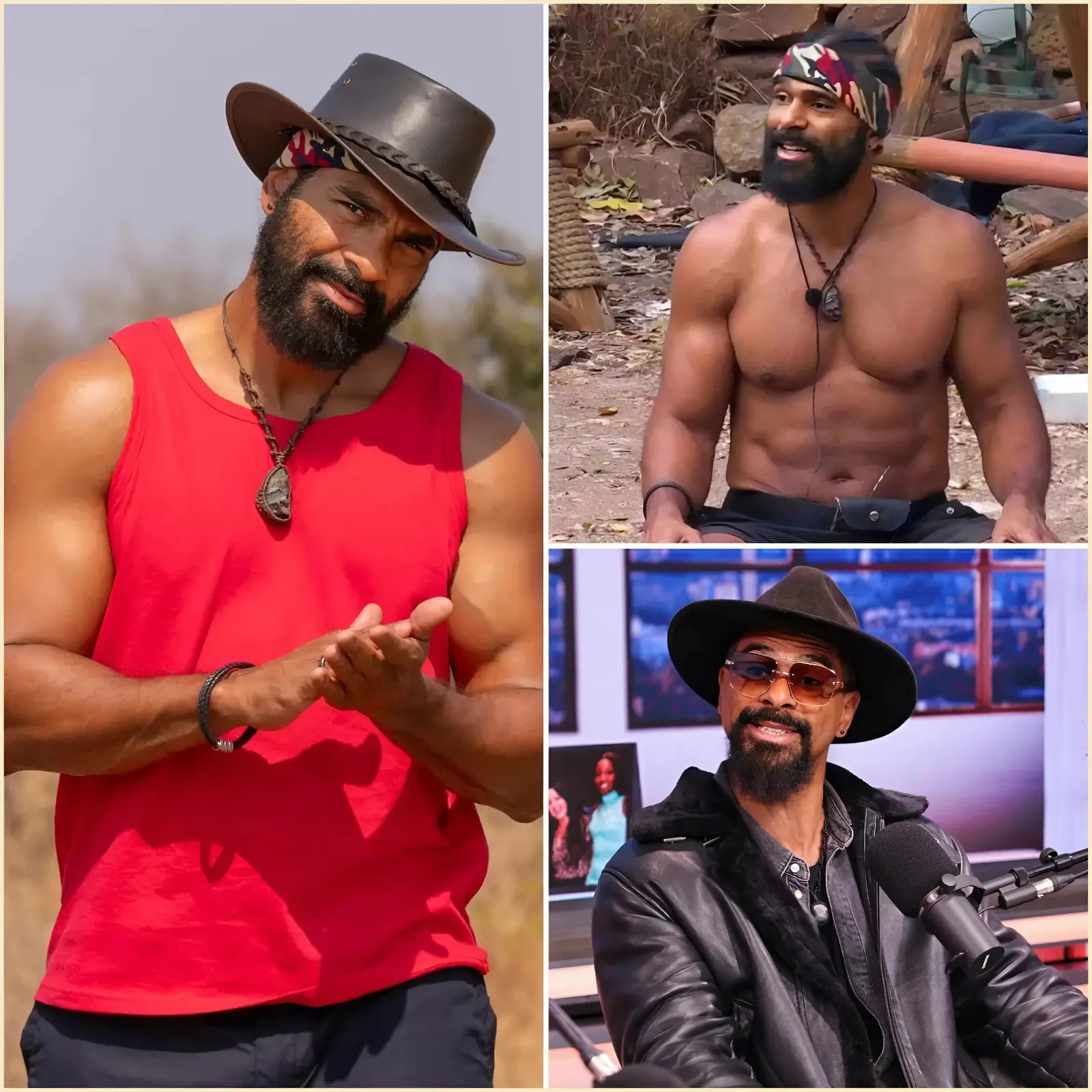
For him, it is a matter of reputation, livelihood, and long-term financial impact in an industry where public perception can make or break careers.Haye’s argument centers on the belief that selective editing misrepresented his behavior throughout the series, casting him in an unfairly negative light.
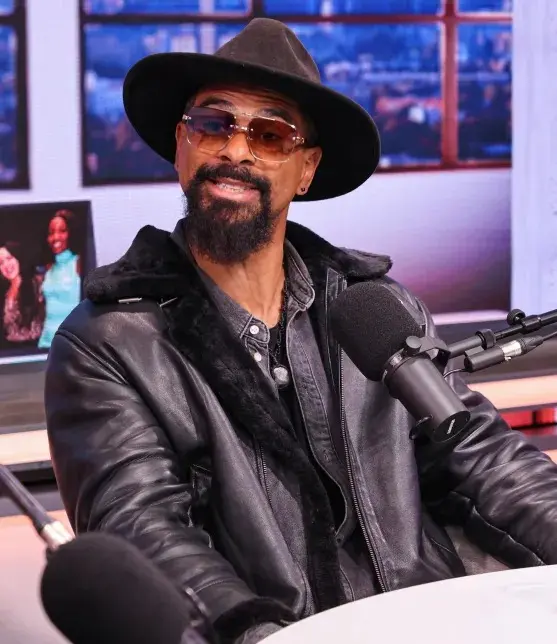
He alleges that the show’s producers created a narrative portraying him as aggressive, confrontational, and even misogynistic—character traits he strongly denies. Sources close to the situation describe Haye as feeling positioned as the “pantomime villain” of the season, a role that exposed him to widespread public criticism and intense online backlash.
The term “irreparable damage” has been used to describe the effect on his personal brand, underscoring the seriousness with which the former champion views the situation.In today’s media landscape, where a celebrity’s image directly influences sponsorships, endorsements, and future opportunities, such claims carry substantial weight.
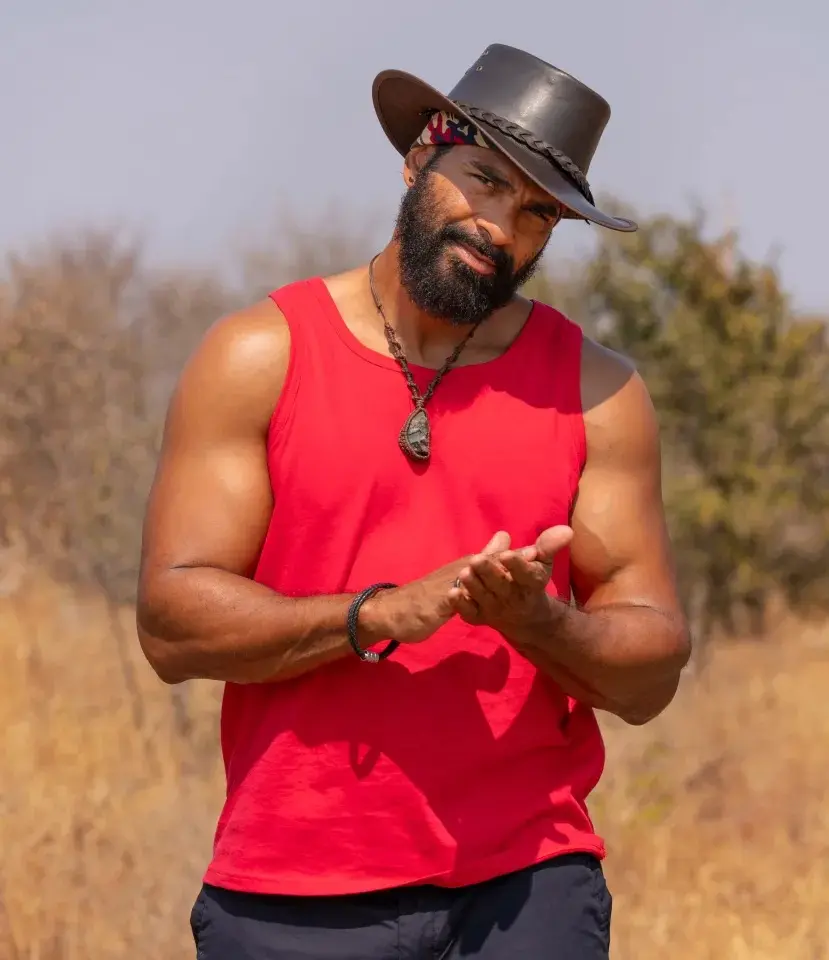
The controversy is rooted in several key moments during the show’s filming in the Australian jungle. Tensions flared particularly around interactions with actor Adam Thomas, who ultimately won the series. Haye, alongside former footballer Jimmy Bullard, became involved in heated disagreements with Thomas during one of the trials, an incident that became one of the most discussed segments of the season. Hosts Ant and Dec later described parts of the confrontation as “unbroadcastable,” hinting that viewers saw only a fraction of what actually unfolded.
Haye and Bullard have both expressed support for the release of unedited footage, arguing it would provide a more balanced and accurate representation of events. One notable clash involved Gemma Collins stepping in to calm tensions, with Collins placing her arms across both Bullard and Haye as emotions ran high at the live final.
At the heart of Haye’s grievance lies the broader question of editing practices in reality television. Programs like I’m a Celebrity rely heavily on condensing hundreds of hours of footage into digestible episodes, inevitably involving choices about what to include, omit, or emphasize. While this is standard industry procedure to create compelling storylines, Haye’s legal team plans a detailed examination of specific edits that they believe distorted context and amplified controversy. One example cited involves an interaction with Gemma Collins that Haye feels was presented in a way that painted him negatively without sufficient surrounding context.
For participants, the gap between their lived experience in the camp and the final broadcast version can feel profoundly misleading, especially when the edited narrative shapes public opinion so powerfully.
The alleged damage extends well beyond bruised feelings. Haye reportedly had promising discussions with Netflix about a future project that have since stalled, while other commercial opportunities have reportedly been paused or withdrawn. These tangible setbacks form a crucial part of his legal case, linking the show’s portrayal to measurable financial losses. The £10 million claim is said to account for both immediate harm and projected future earnings that may now be out of reach.
In this sense, the dispute transcends personal reputation and enters the realm of business, highlighting how reality television can have real-world consequences for its stars long after the cameras stop rolling.
Adding further complexity is the issue of contractual obligations. Reports suggest Haye risks forfeiting part of his appearance fee—potentially up to £25,000—due to alleged breaches related to conduct during the show and participation in promotional activities. Clauses in such contracts often stipulate that behavior bringing the production into disrepute can result in withheld payments. Jimmy Bullard, facing similar concerns, has also sought legal advice, raising the possibility that the dispute could involve multiple participants. This financial dimension underscores the high-stakes nature of reality television agreements, where on-screen drama and off-screen accountability are tightly intertwined.
Haye’s frustration has been described as “incandescent with rage” by those familiar with his position. Having entered the All Stars series with an established public profile as a successful boxer and entrepreneur, he now feels his brand has been tarnished in ways that could affect him for years. Scarlett Moffatt and Ashley Roberts were among those seen trying to manage tensions in camp, while Sinitta also featured in key moments alongside the group. The live final brought these simmering issues to a head, with Gemma Collins again attempting to diffuse heated exchanges.
For Haye, the cumulative effect of these edited portrayals has been a distorted public image that no longer aligns with how he sees himself or wishes to be perceived.
ITV has not yet issued a detailed public response to the specific claims, though broadcasters in such situations typically defend their editorial decisions as fair, necessary, and consistent with industry standards. Creating engaging television from unscripted footage requires narrative shaping, but critics increasingly question where creative license ends and misrepresentation begins. Haye’s case, if it proceeds, could set a significant precedent regarding the responsibilities of producers and the rights of reality TV participants. It raises important questions about transparency, accountability, and the power dynamics between large broadcasters and individual celebrities.
This unfolding story mirrors the very essence of reality television—layered, dramatic, and open to multiple interpretations. What millions of viewers witnessed on screen became their reality, yet for those inside the experience, the broadcast often felt incomplete or one-sided. The dispute highlights ongoing debates about the ethics of editing, the psychological impact on participants, and the long-term professional repercussions of carefully constructed story arcs.
As legal proceedings potentially gather momentum, the coming months may reveal more details about what truly happened both on and off camera. Haye’s team will likely push for greater scrutiny of the production process, while ITV will seek to uphold its editorial integrity. For the public, the saga offers a rare behind-the-scenes glimpse into how beloved entertainment shows are crafted and the human cost that sometimes accompanies them.