A prominent Polish Member of the European Parliament has vowed to sue UK Prime Minister Sir Keir Starmer personally after the Home Office blocked him from entering Britain ahead of Tommy Robinson’s Unite the Kingdom rally. Dominik Tarczynski, who represents Poland’s Law and Justice party in Brussels, is among seven individuals labelled by the government as “far-right” figures prohibited from attending the demonstration scheduled for Saturday.
The decision reflects the Labour government’s firm stance against what it describes as attempts to spread hate and intimidate communities. Tarczynski joins a list that includes former Republican Party candidate Valentina Gomez, US political strategist Joey Mannarino, Spanish influencer Ada Lluch, and Dutch activist Eva Vlaardingerbroek. All have seen their electronic travel authorisations either cancelled or refused, with Home Secretary Shabana Mahmood determining that their presence would not be “conducive to the public good.”
Tarczynski, known for his outspoken criticism of mass migration across Western Europe, reacted furiously to the ban. In a social media post, he condemned the move as reminiscent of “communism in the 21st century.” He wrote: “I have just been denied entry to the UK in order to speak at the largest patriotic event in Europe. Starmer will be sued by me. Not the Government, not the Home Office but Starmer personally. Once you lose the next election, communist, we’ll meet in court!”
The Polish MEP continued his attack, stating: “This communist cannot silence millions, nor can he take away their right to vote! UNITE THE KINGDOM!” Tarczynski has repeatedly urged Britain and other Western nations to adopt Poland’s stricter approach to immigration, arguing that it preserves national identity and social cohesion in contrast to policies he views as overly permissive elsewhere in Europe.
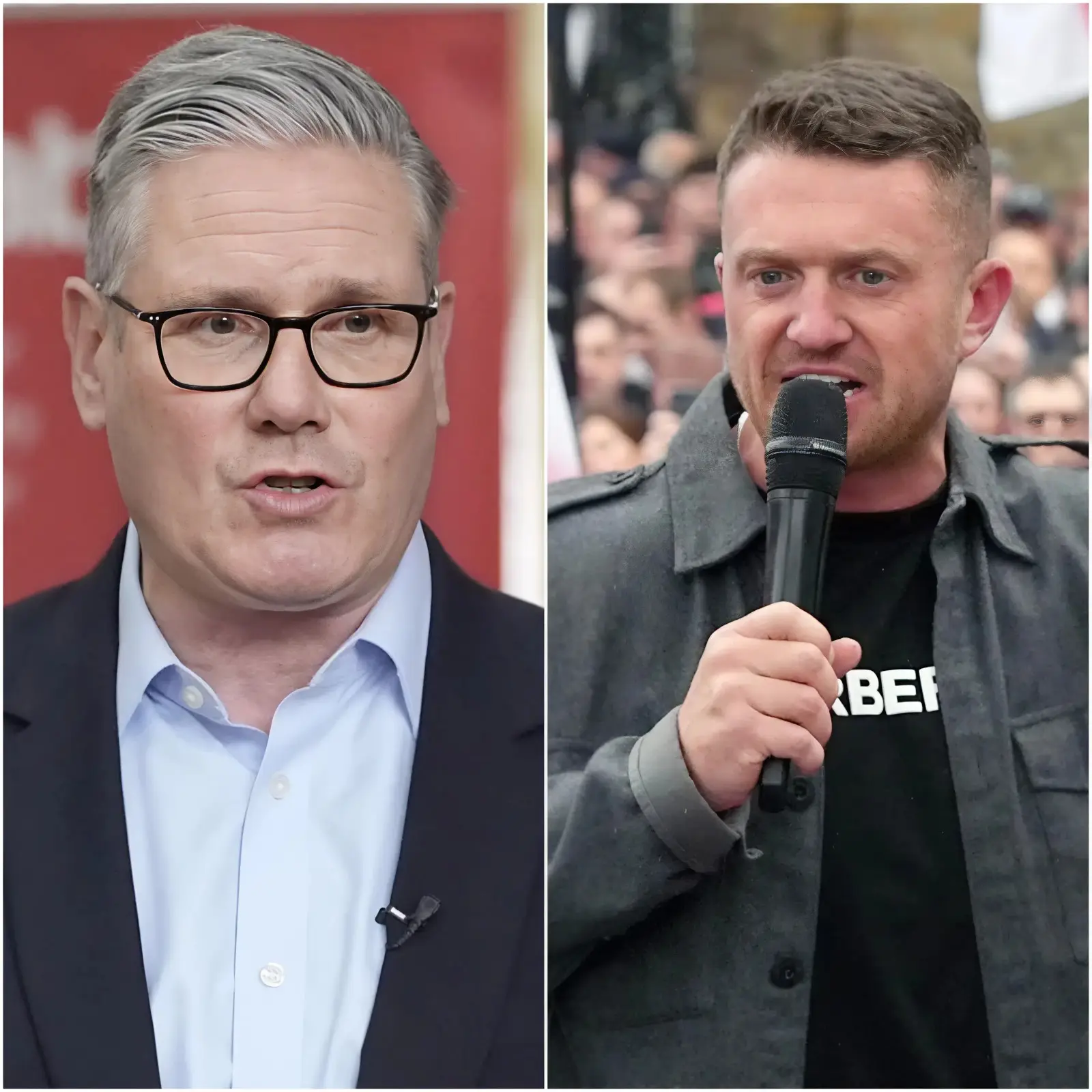
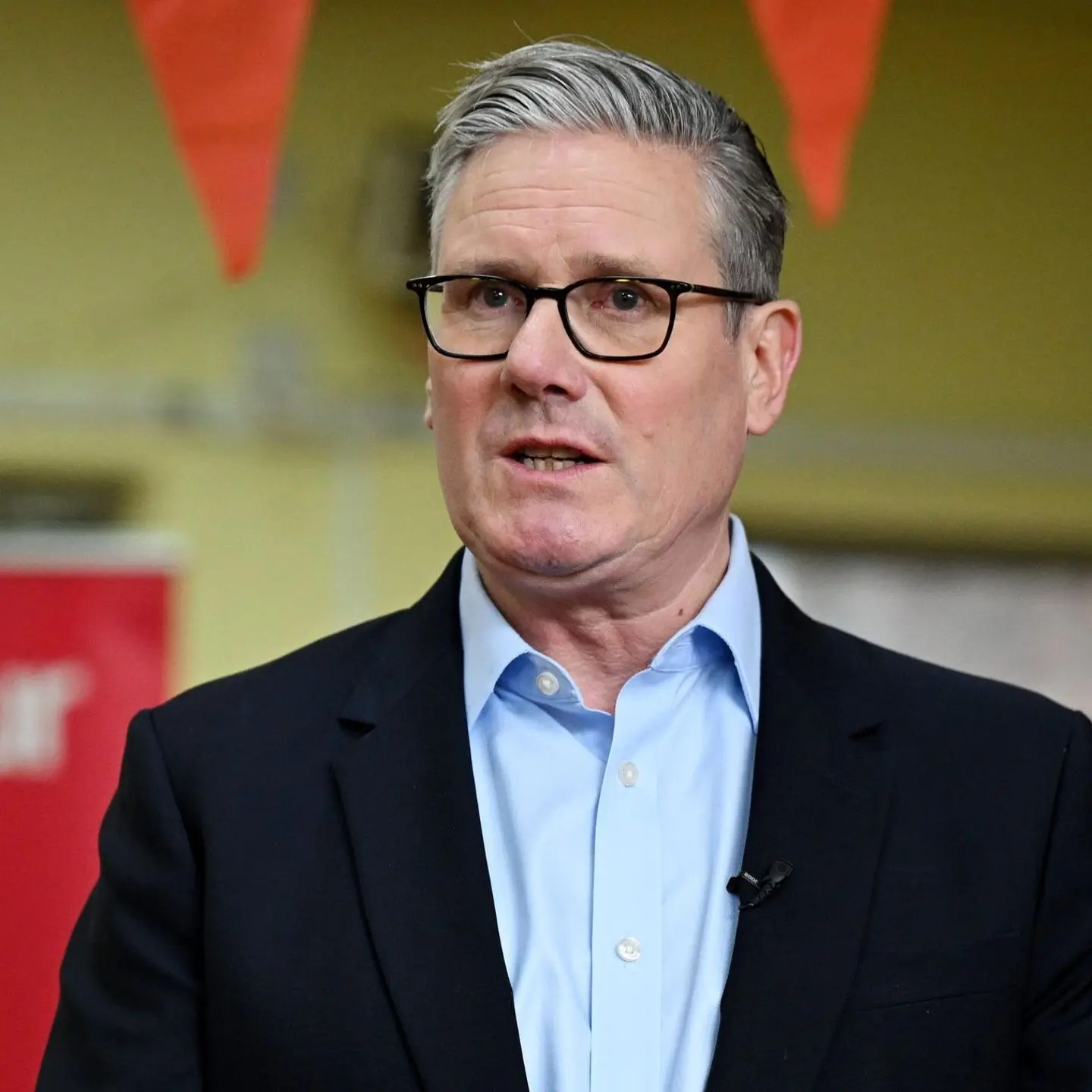
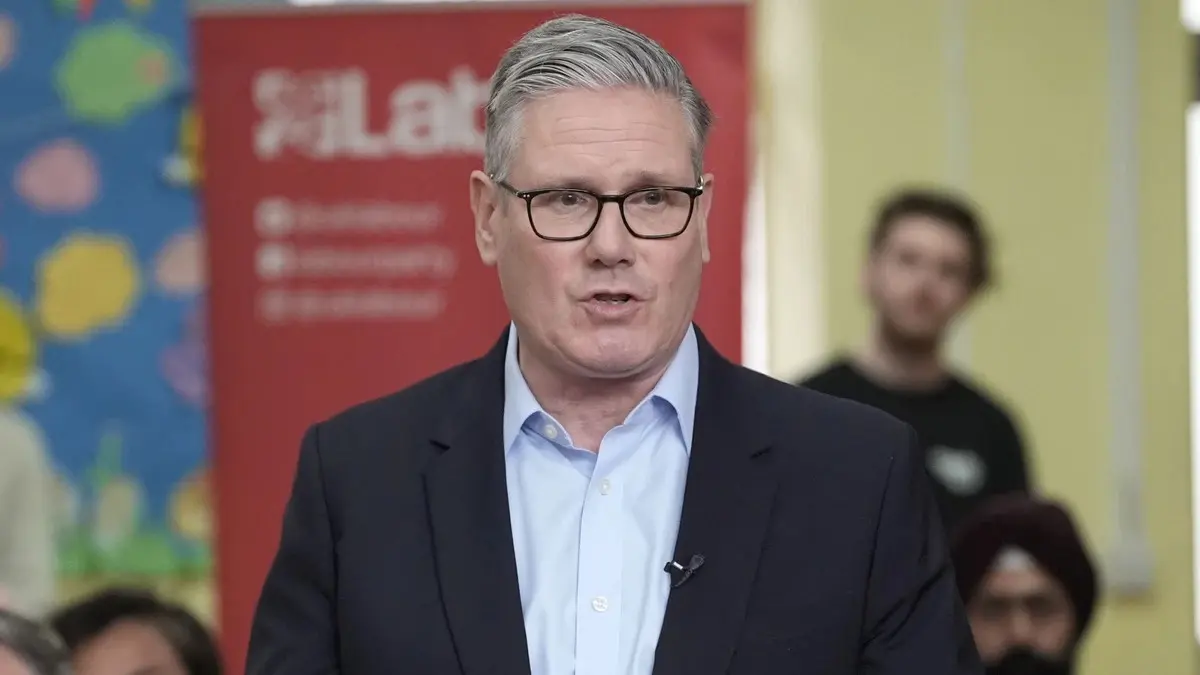
The rally, organised by Tommy Robinson, has drawn significant controversy. Prime Minister Sir Keir Starmer addressed the planned event directly on Monday, describing it as one “designed to confront and intimidate this diverse city and this diverse country.” He emphasised the government’s resolve: “That is why this Government will block far-right agitators from travelling into Britain for that event. Because we will not allow people to come to the UK, threaten our communities, and spread hate on our streets.”
The bans have been welcomed by some voices on the opposing side. Roshan Salih, editor of the Muslim outlet 5Pillars, contacted Robinson to declare: “We have absolutely decimated your speakers list for your march on Saturday. Please be aware that Muslims got this done.” His comments underscored the deepening polarisation surrounding the event and highlighted how different communities perceive the gathering.
Valentina Gomez, who addressed last year’s Unite the Kingdom rally, had her visa terminated last month despite prior clearance. The Colombian-born influencer responded defiantly, threatening to cross the Channel by small boat and challenging the Home Secretary to stop her. She suggested that intervention from Donald Trump’s administration in the United States could follow if British authorities attempted to arrest her upon arrival.
Similarly, Dutch activist Eva Vlaardingerbroek saw her visa revoked earlier in the year. Her case sparked diplomatic friction with the Trump administration, which has criticised several European governments for what it sees as restrictions on free speech. Vlaardingerbroek, a former member of the Dutch Forum for Democracy party, spoke at the previous year’s rally, which reportedly drew up to 150,000 attendees. In September, she publicly advocated for the “remigration” of immigrants and discussed what she termed the “replacement of our people,” positions that have made her a polarising figure in European political discourse.
The current rally comes at a sensitive time. It coincides with the FA Cup final between Chelsea and Manchester City at Wembley Stadium and a pro-Palestine demonstration marking “Nakba Day.” Metropolitan Police Commissioner Sir Mark Rowley expressed concern about the scale of overlapping protests, with officers planning to impose strict conditions on routes and assembly points to prevent disorder. Robinson himself has framed the event positively, calling it “a beautiful celebration of British identity” and urging supporters to display their “best behaviour” on social media.
A spokesman for the Prime Minister reinforced the government’s position: “Those who threaten our communities and spread racism have no place on the streets of the UK. Where individuals pose a threat or seek to spread extremism the Government won’t hesitate to deny entry.”
The episode raises broader questions about freedom of movement, political expression, and national security in a post-Brexit United Kingdom. Supporters of the bans argue that the government has a duty to protect public order and prevent the importation of divisive rhetoric that could inflame tensions in already diverse urban centres. Critics, including Tarczynski and Robinson’s allies, contend that the measures amount to political censorship, targeting individuals for their conservative or nationalist views rather than for any proven criminal intent.
Tarczynski’s threat of a personal lawsuit against Starmer adds a legal dimension to the political drama. While the prospects of such a case succeeding remain uncertain given the broad discretion afforded to immigration authorities, it symbolises a growing willingness among international right-wing figures to challenge what they perceive as overreach by progressive governments in Western Europe.
The Unite the Kingdom event is expected to draw thousands, though exact numbers are difficult to predict amid the heightened security measures and competing narratives. Organisers present it as a defence of British heritage and a protest against unchecked immigration, multiculturalism, and perceived failures in integration. Opponents view it as a magnet for extremism that risks exacerbating community divisions at a time when social cohesion is already strained by issues such as knife crime, grooming gang scandals, and debates over cultural identity.
This is not the first time immigration policy and free speech have clashed in Britain. Previous governments faced similar dilemmas when deciding whether to admit controversial foreign speakers. The current Labour administration’s proactive approach—cancelling authorisations in advance—signals a shift towards pre-emptive action, justified by ministers as necessary to safeguard public safety in a tense climate.
As Saturday approaches, all eyes remain on London. Police resources will be stretched across multiple large gatherings, testing the Met’s ability to maintain order without infringing on legitimate protest rights. For Tarczynski and the other barred individuals, the episode represents more than a missed speaking opportunity; it has become a rallying cry against what they describe as authoritarian tendencies in a country long regarded as a beacon of liberty.
The Polish lawmaker’s call for Britain to emulate Poland’s migration model echoes sentiments shared by many in the nationalist movement across Europe. Poland has maintained relatively restrictive policies on non-European immigration while accepting large numbers of Ukrainian refugees, a distinction often highlighted by figures like Tarczynski. Whether such arguments gain traction in Britain amid ongoing economic pressures and cultural debates remains to be seen.
In the meantime, the personalisation of the conflict—Tarczynski’s direct challenge to Starmer—ensures the story will linger well beyond the weekend’s events. It encapsulates the sharp ideological divides that define contemporary European politics: between globalism and nationalism, between diversity as strength and preservation of cultural homogeneity, and between security-driven restrictions and unfettered expression.