A mother’s worst nightmare unfolded more than four decades ago when her two-year-old daughter vanished from a supermarket in Germany. What began as a brief moment of distraction during a routine shopping trip on the child’s birthday has become one of Britain’s most enduring missing persons cases. Now, in a cruel new chapter, a scammer is exploiting the family’s pain by impersonating the missing girl online to solicit donations, sparking fresh outrage and highlighting the dark underbelly of internet fraud.
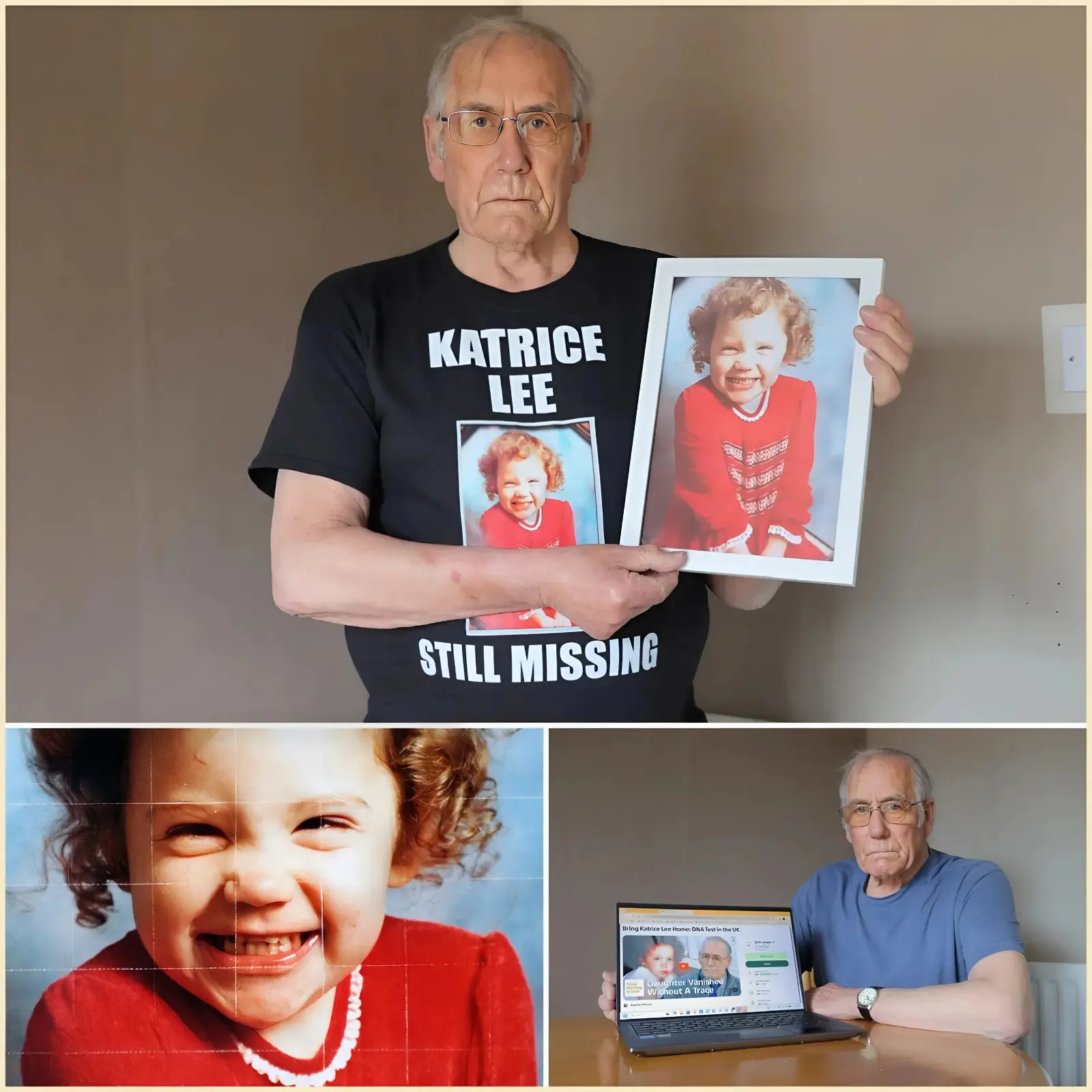
Katrice Lee was just two years old on November 28, 1981, when she disappeared from a Naafi supermarket near Paderborn, West Germany. Her father, Richard Lee, a sergeant major in the British Army, was stationed there with his family. On that fateful day, Katrice had been shopping with her mother Sharon and her aunt. While the adults were occupied at the checkout, the toddler wandered off. Within moments, she was gone. Despite an immediate and extensive search involving military police, German authorities, and local forces, no trace of Katrice was ever found.
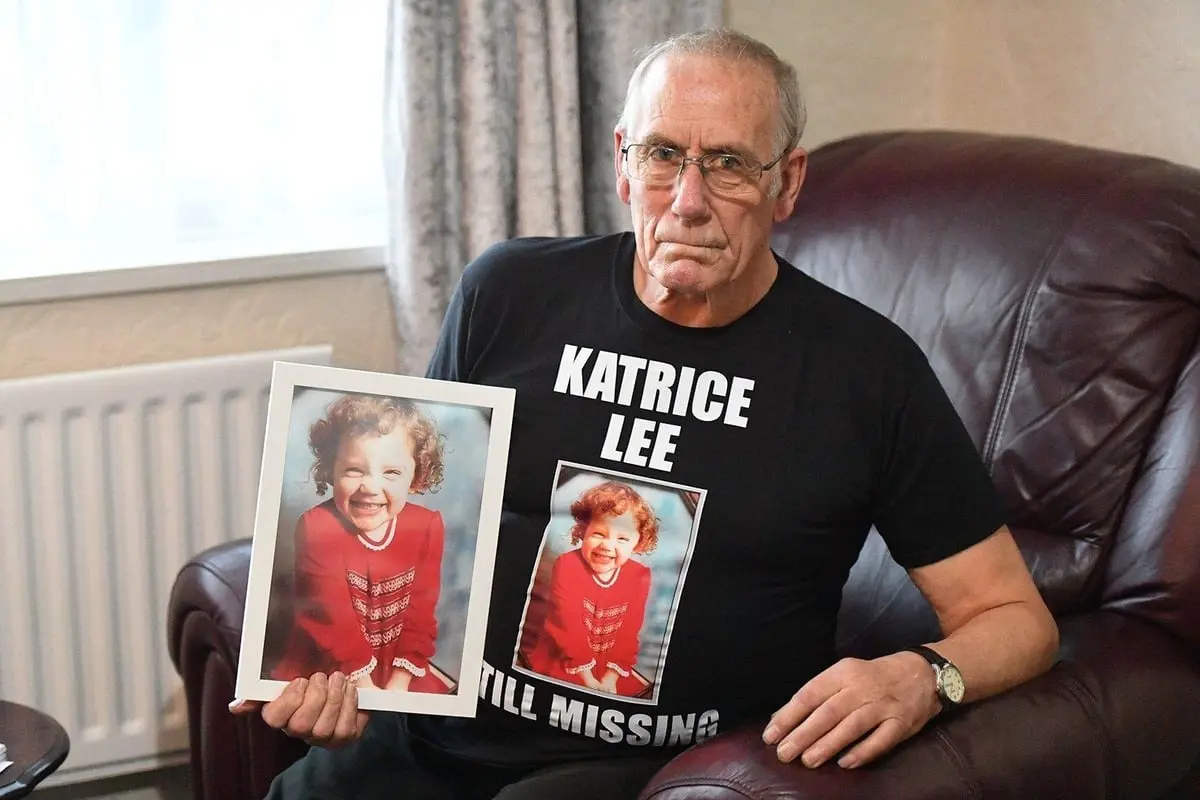
The disappearance triggered one of the largest investigations of its kind at the time. Initial coordination problems between German police and the Royal Military Police led to lost evidence and delays, something for which the family later received a formal apology in 2012. Richard, now 76 and living in Hartlepool, County Durham, has dedicated much of his life to finding answers. He has spoken publicly many times about the unbearable uncertainty that has haunted his family for 45 years. “Love doesn’t die,” he has said in interviews. “I will keep searching until the day I die.”
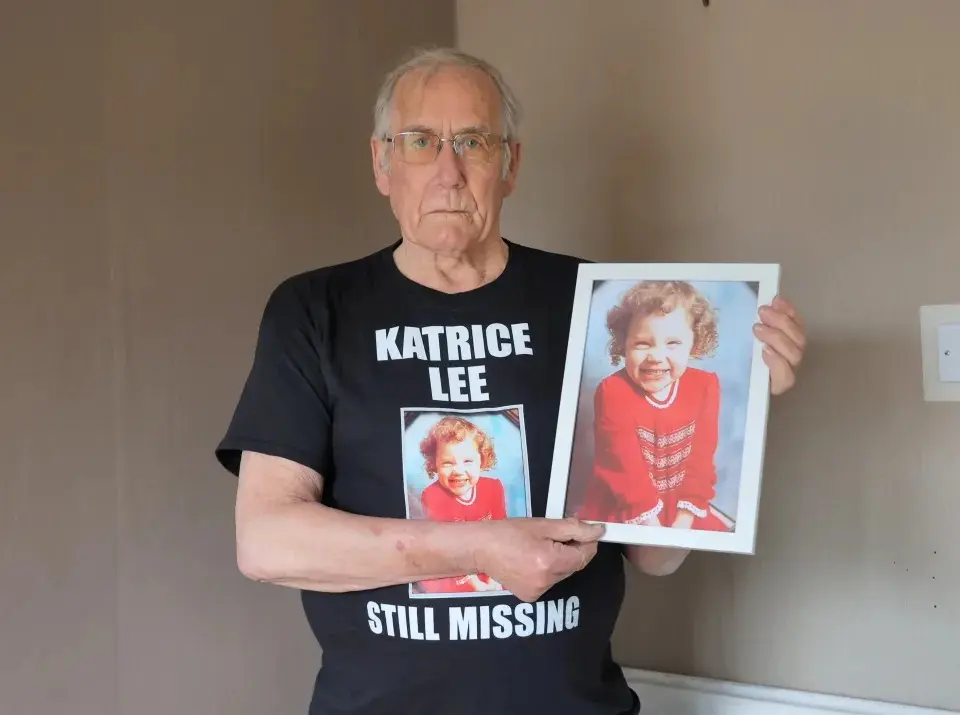
The case remains open, with theories ranging from abduction by a stranger to a possible trafficking scenario. Katrice had a distinctive birthmark at the base of her spine, which the family has always hoped might one day help identify her. Over the years, numerous people have come forward claiming to be Katrice. DNA tests have consistently ruled them out. Each false lead has reopened old wounds for Richard, Sharon — the couple later separated — and their other children.
But the latest development has left the family not only heartbroken but furious. An American woman, reportedly living in Staten Island, New York, and going by the name Heather McCord, set up a GoFundMe page claiming to be the long-lost Katrice. In the appeal, she described remembering the day she was “kidnapped” and knowing who was responsible. She said authorities in both the US and UK had dismissed her claims, and she needed funds to fly to the UK for a DNA test to prove her identity. The page quickly attracted donations totaling around $225 before drawing wider attention.
Richard discovered the campaign through supporters of the family’s missing persons page. He immediately recognised what he described as classic red flags. “It sounds convincing, but she is conning people,” he told reporters. “My immediate reaction was anger. I’ve dealt with this situation so many times.” He pointed out practical inconsistencies: modern DNA testing does not require expensive international travel. A sample could be taken locally and sent over. Why, he asked, had authorities supposedly refused to help someone claiming such a high-profile cold case?
The scammer allegedly used photos and clips from Richard’s own interviews to bolster the story, pulling at public sympathy by referencing the 44 years of separation and a desire for justice. Labour MP Jonathan Brash, who has supported the Lee family, called the attempt “an absolute scandal” and “sick.” He emphasised that profiting from a family’s genuine tragedy crosses an unforgivable line. Richard has reported the matter to UK Military Police, who are liaising with US counterparts to investigate.
This is not the first time fraudsters have targeted the family. In previous years, other individuals falsely claiming to be Katrice faced legal consequences — one was jailed in 2014, another received a suspended sentence in 2019. Trolls and online harassers have also plagued the Lees, but the fundraising element adds a particularly exploitative layer. Richard has become, in his own words, an unwilling expert in spotting these scams. “Their goal is purely to get money,” he said. “Our goal is to get answers about where Katrice is.”
The incident raises broader concerns about online deception in the age of social media. GoFundMe and similar platforms have revolutionised charitable giving, allowing ordinary people to support causes quickly. Yet they also create opportunities for fraud. Scammers often prey on emotional stories — missing children, terminal illnesses, natural disasters — because empathy can override caution. In high-profile cold cases like Katrice’s, where public awareness is strong, the risk is even greater. Supporters who donate in good faith may unknowingly fund a criminal enterprise rather than help a victim.
Experts in cybercrime note that voice cloning, deepfake videos, and AI-generated content are making such impersonations increasingly sophisticated. While this particular case appears to rely on text and recycled media rather than advanced tech, it still fooled some donors initially. The ease of setting up anonymous fundraising pages, combined with the difficulty of rapid verification across borders, complicates enforcement. Platforms like GoFundMe do investigate reported scams, but the process can be slow, and funds are sometimes spent before action is taken.
For the Lee family, the emotional toll is immense. Richard has described nights spent in tears after encountering false claims. The hope of reunion never fully fades, but each hoax chips away at resilience. “I become so frustrated,” he said. “It brings you to tears.” His daughter Natasha and other relatives have also been deeply affected, often acting as first points of contact when new claims surface.
Despite everything, Richard refuses to give up. He continues to work with authorities, maintain public awareness campaigns, and support other families of missing persons. The case of Katrice Lee stands as a sobering reminder of how one ordinary shopping trip can shatter lives forever. It also underscores the persistent vulnerability of grieving families to those who see tragedy as opportunity.
As investigations into the latest scammer proceed, the Lee family has a simple message: do not donate to unverified claims. If someone genuinely believes they are Katrice, the proper channels exist through law enforcement and military police. DNA testing is straightforward and does not require crowdfunding appeals. Richard hopes that by speaking out, he can prevent others from falling victim to similar deceptions while keeping the spotlight on his daughter’s unresolved case.
Forty-five years on, the supermarket in Paderborn is long gone, but the questions remain. Where is Katrice? What really happened that November day? For her father, the search continues — not just for his child, but for truth in a world where even the most sacred grief can be commodified. The family’s pain deserves respect, not exploitation. In an era of constant digital connection, this case reminds us that some stories demand vigilance as much as compassion.